McKinsey grocery affordability report finds food is Americans’ top cost concern
A survey of 30,000 Americans puts food costs ahead of housing and health care, while June data show grocery prices still rose.
By Theo Nakamura · Staff Writer
· 3 min read
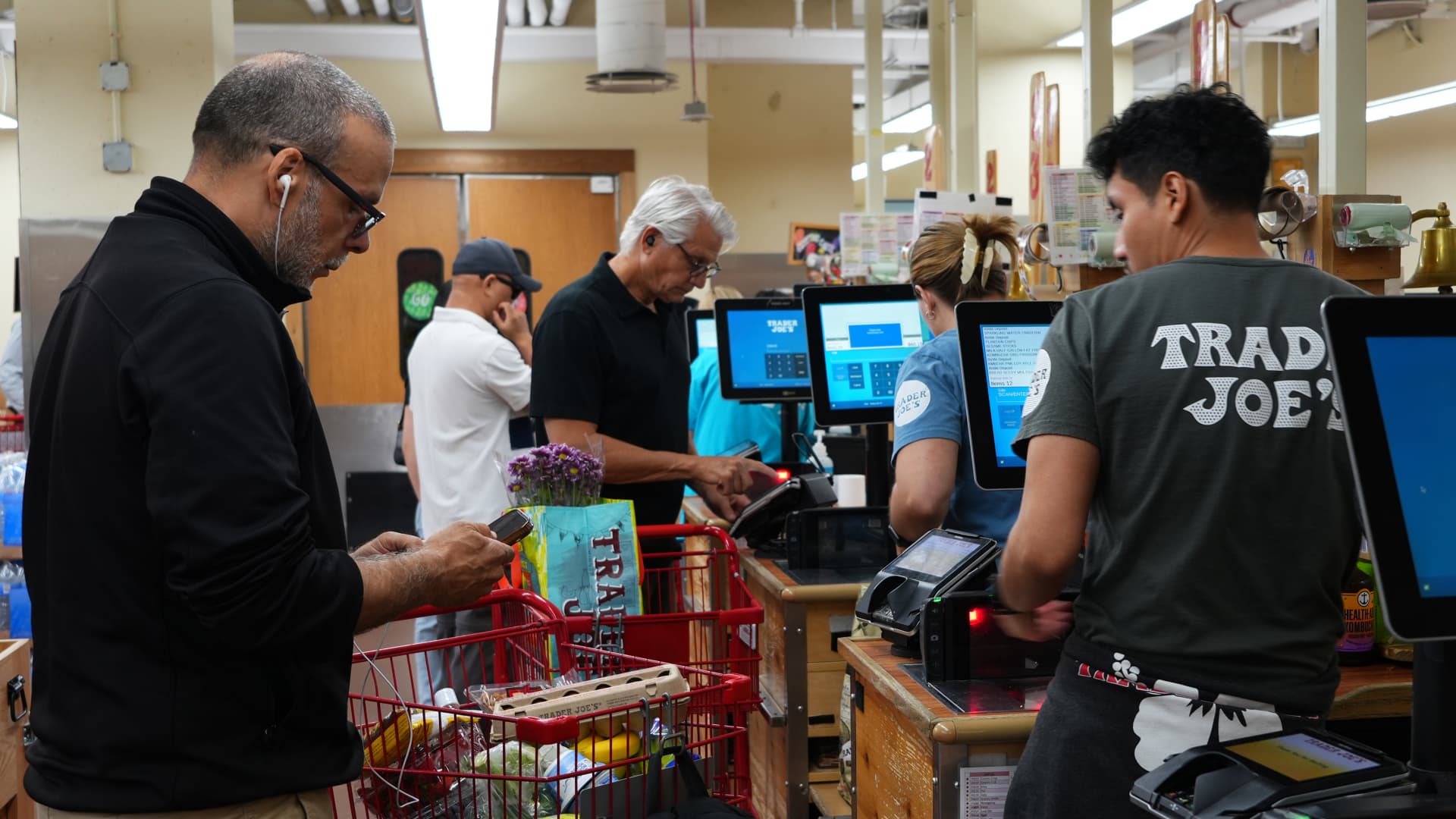
The McKinsey grocery affordability report, produced with the W.K. Kellogg Foundation, found that food costs are the leading expense concern among Americans surveyed. For households, the result separates an everyday budget concern from a measure of spending: respondents identified groceries as a top cost worry, while federal inflation data track how prices changed.
The McKinsey Institute for Economic Mobility and the W.K. Kellogg Foundation characterized affordability as the “defining challenge” for economic mobility, according to CNBC. In their survey of 30,000 Americans across income levels, 90% said groceries and food prices were a top cost concern, ahead of housing and health care.
Are grocery prices still rising in 2026?
Yes. The Bureau of Labor Statistics said its food index increased 0.2% in June and 3.0% over the 12 months through June. That occurred even as the overall Consumer Price Index fell 0.4% in June, driven by a 5.7% monthly drop in the energy index.
The food measure contains two different experiences. Food at home, the BLS category for grocery-store purchases, rose 0.2% in June and 2.7% over 12 months. Food away from home, which covers meals bought outside the home, also rose 0.2% in June and was up 3.4% over the year.
Several grocery categories moved differently during the month. Meats, poultry, fish and eggs rose 0.6%, with eggs up 4.3%, according to the BLS. Dairy and related products increased 1.2%. Nonalcoholic beverages fell 1.5%, and fruits and vegetables declined 0.2%.
The monthly and annual readings show the rate of price change, rather than the full level of prices households face. Kassandra Martinchek, an Urban Institute public-policy expert and co-author of a separate study, told CNBC that food-at-home prices had risen about 25% over the previous five years and that families experience those increases cumulatively.
What do the surveys show about paying for groceries?
A separate Urban Institute analysis, based on its December 2025 survey of more than 10,000 adults, found reported use of credit and savings for grocery purchases alongside repayment difficulties. About 35% of adults said they used a credit card for groceries and paid the full bill each month. Another 20% paid less than the full balance while making at least the minimum payment, while 8.7% did not always make the minimum payment, CNBC reported.
The analysis also found that nearly one in 10 adults used buy now, pay later for groceries. Among adults who used installment payments, about 35% missed a BNPL payment, according to CNBC’s account of the study. Missed payments can lead to late fees, deferred interest or other penalties depending on the lender.
Those figures do not establish that grocery costs caused missed credit-card or BNPL payments. Marshall Lux, a visiting fellow at Georgetown University’s Psaros Center for Financial Markets and Policy, told CNBC that grocery purchases are mixed with other card spending, making it difficult to isolate the reason someone fell behind.
For readers following the next inflation release, the BLS is scheduled to publish July CPI data on Aug. 12. The release will show whether June’s food-price increases continued, changed direction or varied further between grocery stores and restaurants.
This story draws on original reporting from CNBC.