MDI Ventures sale considered by TelkomMetra, CNBC reports
TelkomMetra is considering options for MDI Ventures, a major Indonesian corporate VC firm with $830 million in committed assets.
By Theo Nakamura · Staff Writer
· 4 min read
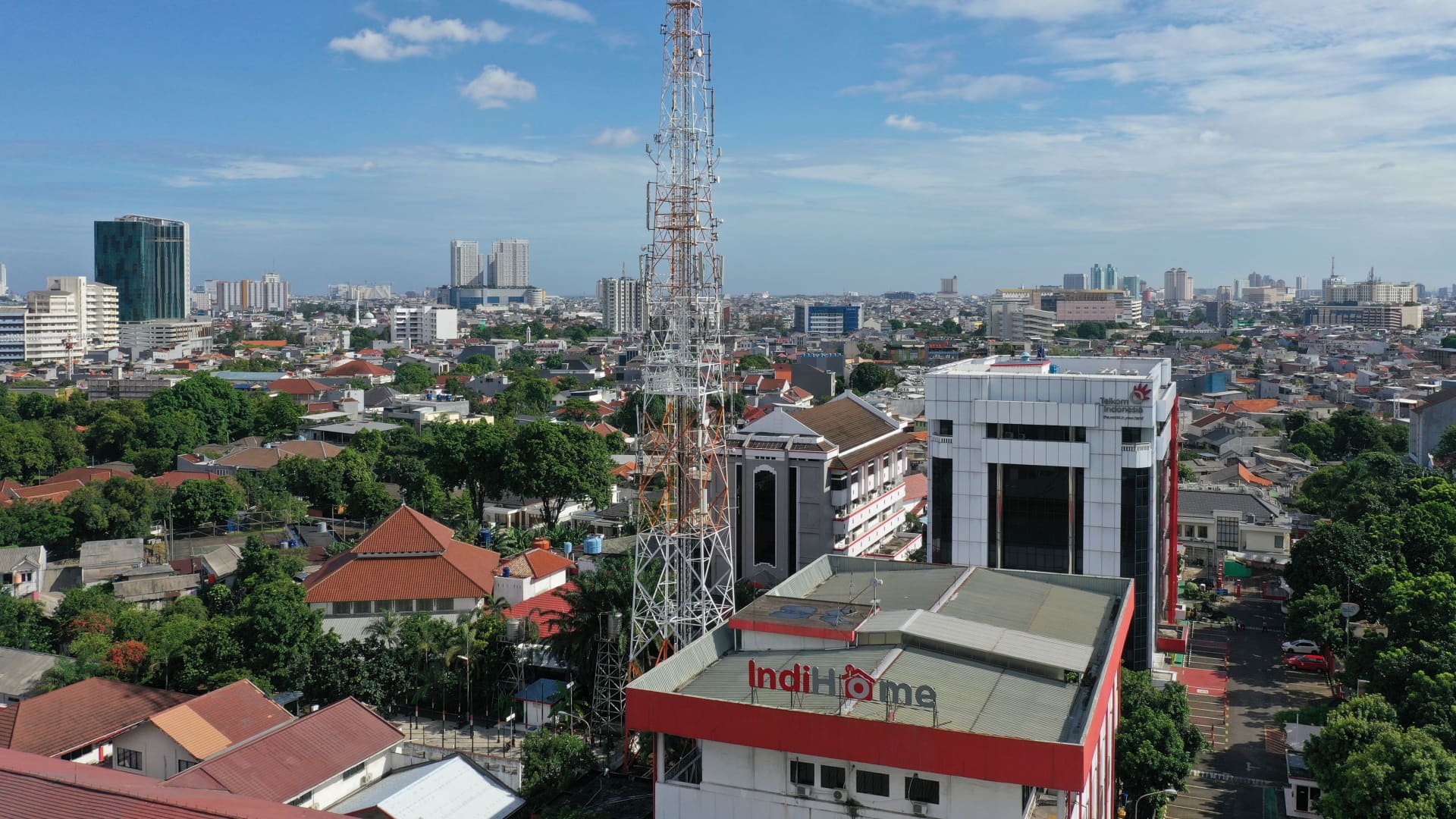
TelkomMetra is considering an MDI Ventures sale, CNBC reported, a move that would put one of Indonesia’s biggest state-linked tech investors in play during a tougher period for startup funding. For retail investors watching Southeast Asian tech or state-owned companies, the process points to two pressures at once: weaker venture returns and higher legal risk around public money.
Four people familiar with the matter told CNBC that TelkomMetra, a unit of PT Telkom Indonesia (Persero), is considering selling MDI Ventures. The people said talks remain early and that no final decision has been made. Two of the people said TelkomMetra hired Jefferies to advise on the potential transaction.
MDI Ventures said in an emailed statement to CNBC that it was “not in a position to comment on or disclose any information regarding the matters.” Jefferies declined to comment, CNBC reported, and TelkomMetra did not respond to CNBC’s requests for comment.
Why is TelkomMetra considering selling MDI Ventures?
TelkomMetra is reviewing “various alternative strategic corporate actions” for MDI Ventures, including a sale, according to a letter issued by MDI Ventures and reviewed by CNBC. The letter, sent in early July to at least one company in TelkomMetra’s portfolio, asked stakeholders to share views on the proposed process by July 17.
MDI Ventures is a corporate venture capital firm, meaning it invests in startups on behalf of a company rather than as a standalone investment fund. The firm has $830 million in total committed assets under management, according to its website, and PitchBook data cited by CNBC shows its funds also manage money from institutional investors in South Korea, Singapore and Norway.
The firm has invested in more than 80 companies, CNBC reported. Its portfolio includes six unicorns, a term for private companies valued at $1 billion or more, such as Jakarta-based digital credit platform Kredivo and payments company Nium, which is co-headquartered in San Francisco and Singapore.
What happened in the TaniHub case?
The possible sale comes after a Jakarta court in June convicted four former executives from MDI Ventures and BRI Ventures, the venture arm backed by state-owned Bank Rakyat Indonesia, under Indonesia’s anti-corruption law. The case centered on a $25 million joint investment in TaniHub Group, an agritech startup that later collapsed.
Indonesian prosecutors argued that the executives did not properly check data supplied by the startup and that mismanagement caused losses to state finances. The four defendants received prison sentences ranging from two to five years, according to CNBC.
Lawyers for the executives argued that the investment went through governance procedures, due diligence and approval by authorized decision-making bodies. They also said the convictions did not account for the nature of venture investing, where young companies often have limited operating histories and may lack audited accounts. At least three of the four defendants were reportedly considering appeals.
TaniHub, founded in 2016, connected Indonesian farmers with buyers through an e-commerce platform and offered agricultural credit through a peer-to-peer lending unit called TaniFund. The company raised money from investors including Vertex Ventures, the venture-capital arm of Singapore state investor Temasek Holdings. TaniFund was liquidated and stopped operating in 2024 after its non-performing loan ratio reached as high as 30% in 2023 and it failed to meet minimum equity requirements, according to Fitch Ratings.
What is Indonesia’s state loss doctrine?
Indonesia’s “state loss” doctrine can turn a failed commercial decision at a state-controlled company into a criminal matter. Because capital from state-controlled companies is treated as public money, prosecutors can pursue executives if an investment is deemed to have caused losses to state finances.
That risk has become a broader concern for Indonesia’s public-sector business activity. Bert Hofman, a visiting senior fellow at CSIS Indonesia who helped the government formulate its anti-corruption law while at the World Bank, told CNBC that state losses could become a “major bottleneck” for the country’s development. He said investors may avoid deals with government or state-owned entities, while talented workers and bureaucrats may hesitate to take roles or decisions carrying legal exposure.
The review of MDI Ventures also comes as TelkomMetra has been reducing parts of its portfolio. Local media reported that Danantara Indonesia, the sovereign wealth fund overseeing state companies, had asked Telkom Indonesia to cut 10 subsidiaries by the end of June from more than 60. CNBC said it could not independently verify that report, and Danantara did not respond to a request for comment.
This story draws on original reporting from CNBC.


