Microsoft Q4 earnings put AI spending and Azure growth in focus
Microsoft reports fiscal fourth-quarter results after Wednesday’s close, with investors watching Azure growth and data center spending.
By Theo Nakamura · Staff Writer
· 3 min read
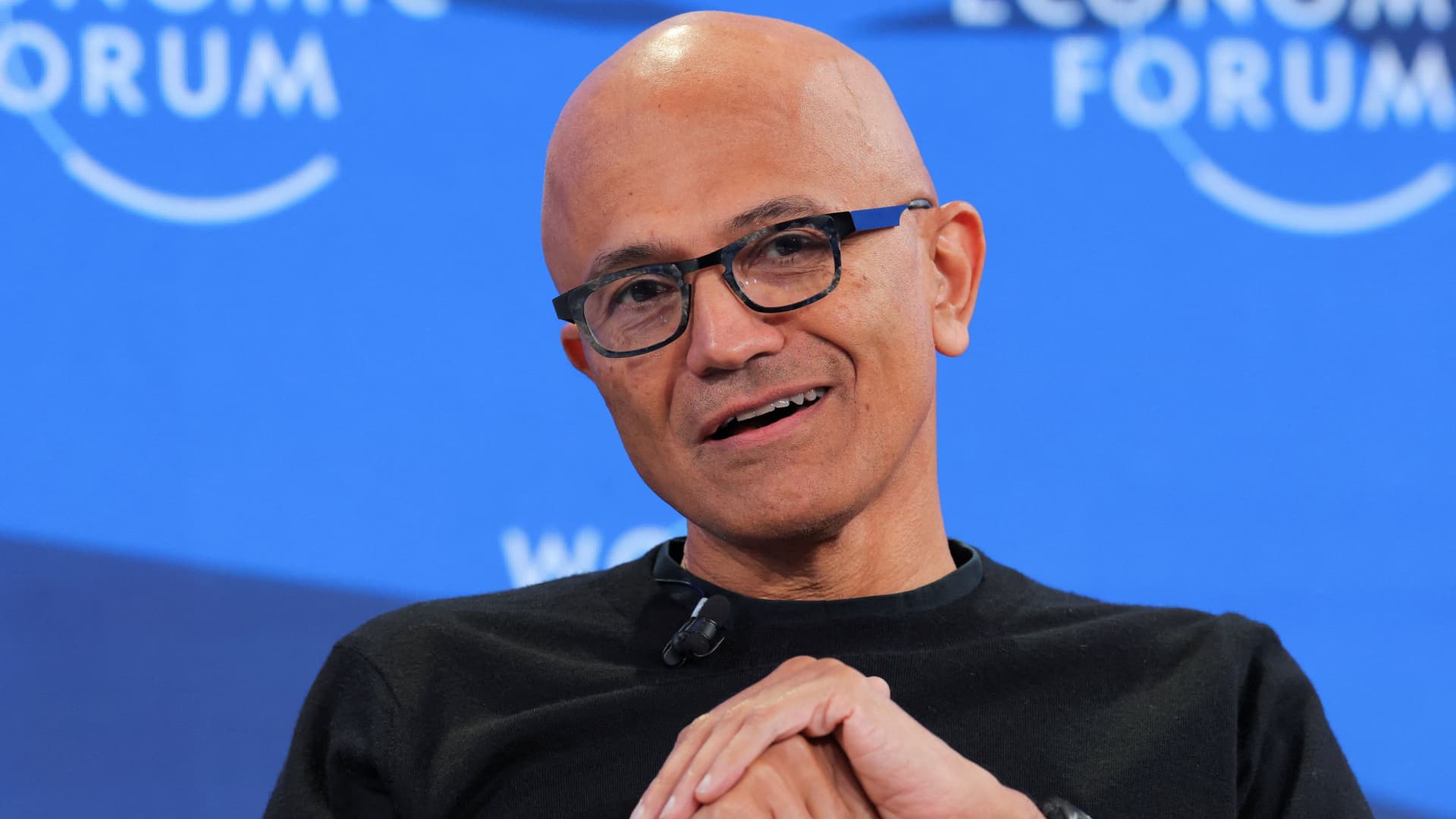
Microsoft Q4 earnings are due after Wednesday’s market close, and the main question for everyday investors is whether the company’s AI buildout is still translating into faster growth. The report lands after a rough stretch for the stock, with CNBC reporting that Microsoft shares were down about 19% for 2026 through Tuesday’s close while the S&P 500 had risen 8.5%.
Wall Street expects Microsoft to report adjusted earnings of $4.24 a share on revenue of $87.62 billion for the fiscal fourth quarter, according to LSEG consensus estimates cited by CNBC. That would imply 14.6% revenue growth from a year earlier for the quarter ended June 30. Analysts also expect growth to pick up slightly to 15.4% in the September quarter, according to CNBC.
What are analysts expecting from Microsoft Q4 earnings?
Adjusted earnings per share: $4.24, according to LSEG consensus estimates cited by CNBC.
Revenue: $87.62 billion, according to LSEG consensus estimates cited by CNBC.
Azure growth: 40% and 40.2% at constant currency, according to analyst estimates from CNBC and StreetAccount.
Capital spending and finance leases: $190.5 billion, according to Visible Alpha estimates cited by CNBC, compared with Microsoft’s April guidance of $190 billion.
Azure, Microsoft’s cloud computing business, remains one of the key numbers in the report because it shows how much demand companies have for Microsoft’s data storage, computing power and AI services. Constant-currency growth strips out the impact of exchange-rate moves, giving investors a cleaner view of business demand across countries.
Microsoft CEO Satya Nadella has been working to balance limited computing capacity across Azure customers, internal research and products such as Microsoft 365 Copilot, CNBC reported. The tradeoff matters because AI chips used to train models cannot also be used at the same time to serve cloud clients.
Why Microsoft’s AI spending plan matters
Investors are watching whether Microsoft raises its projection for capital expenditures and finance leases tied to data center expansion, according to CNBC. Capital expenditures are long-term investments in assets such as servers and data centers, rather than ordinary operating costs. Finance leases can also reflect long-term infrastructure commitments.
The scrutiny increased after Alphabet raised its 2026 capital spending range by $15 billion last week, CNBC reported. For Microsoft, Visible Alpha analysts were looking for $190.5 billion in capital expenditures and finance leases, slightly above the company’s April guidance of $190 billion, according to CNBC.
Microsoft’s relationship with OpenAI is another focus area. Deutsche Bank analysts, who have a buy rating on Microsoft, said in a note last week that the company faces “some concentration risk” tied to OpenAI, especially as open-source AI models gain ground, CNBC reported. Microsoft said in January that about 45% of its $625 billion in commercial remaining performance obligations were connected to OpenAI, according to CNBC. Remaining performance obligations are contracted sales that have not yet been recognized as revenue.
Microsoft also made several notable moves during the quarter. CNBC reported that the company introduced a lower-cost AI coding model, named LinkedIn executive Dan Shapero to lead the business social network and reduced prices for Xbox Game Pass subscriptions.
Microsoft executives are scheduled to discuss the results and provide guidance on a conference call with analysts beginning at 5:30 p.m. ET, according to CNBC.
This story draws on original reporting from CNBC.