Oil climbs as US-Iran conflict puts Hormuz supply route in focus
Brent crude topped $90 as fresh U.S. strikes on Iranian targets raised worries about energy flows through the Strait of Hormuz.
By Theo Nakamura · Staff Writer
· 3 min read
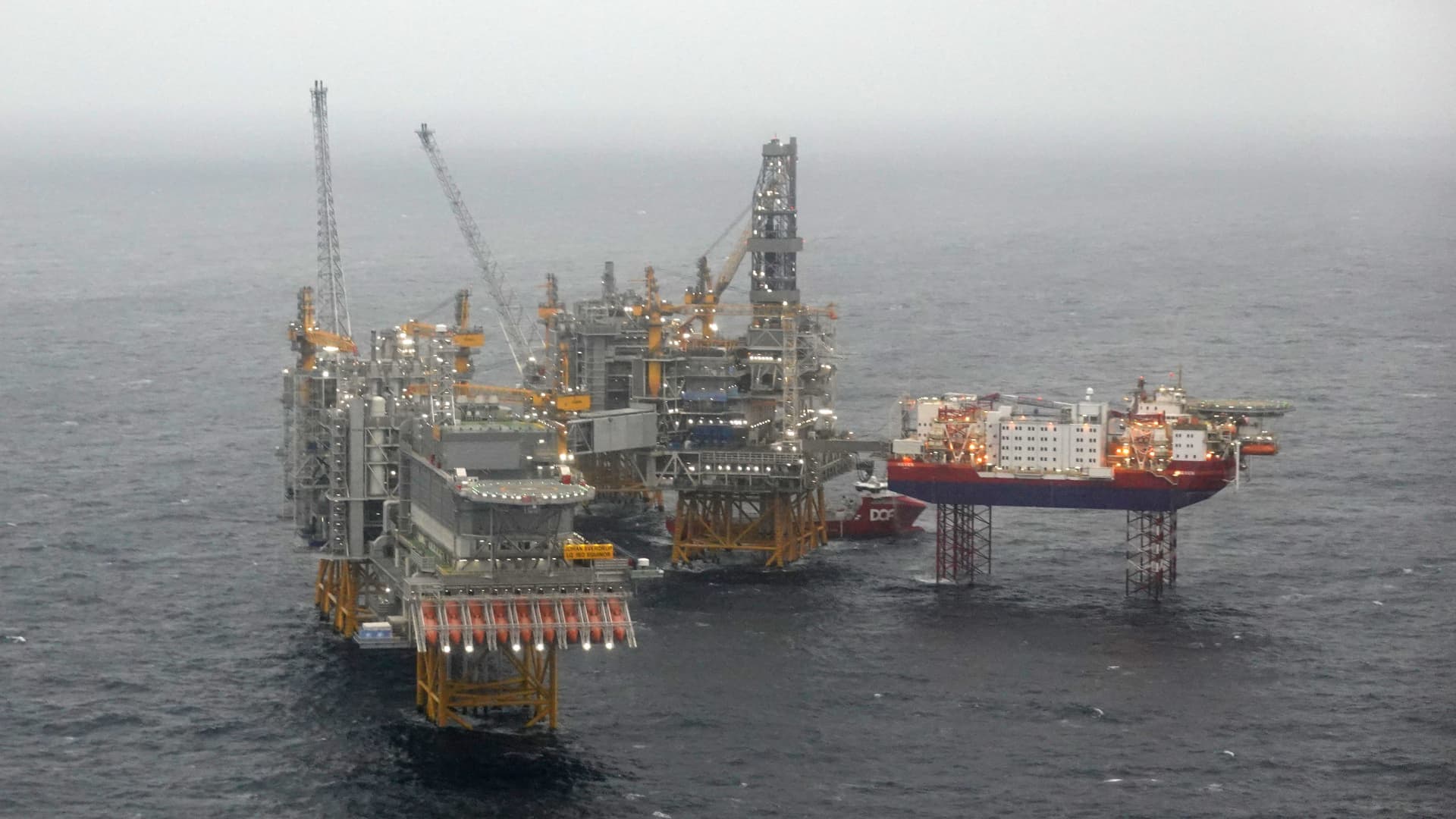
Oil prices rose Monday as the conflict between the United States and Iran kept investors focused on the Strait of Hormuz, a key route for global energy shipments. For everyday investors, higher crude prices can feed into fuel costs, airline margins, inflation expectations and energy-sector stocks.
CNBC reported that Brent crude for September delivery, the international oil benchmark, rose about 2.77% and moved above $90 a barrel. West Texas Intermediate crude for August delivery, the main U.S. benchmark, climbed roughly 2.4% to $84.49.
Crude benchmarks matter because many oil contracts, fuel prices and energy-company revenues are priced off them. When traders worry that supply could be disrupted, they often bid up futures contracts, which are agreements to buy or sell oil at a set price on a future date.
Hormuz risk returns to the center of the oil trade
The move followed another round of U.S. strikes on Iranian targets and additional American military casualties, according to CNBC. The Strait of Hormuz has drawn renewed attention because disruptions there could affect the movement of energy cargoes through one of the world’s most important oil transit routes.
U.S. Central Command said American forces had begun a ninth straight night of strikes against Iranian targets. In a statement on X, CENTCOM said, “The strikes will continue degrading Iranian military capabilities used to attack commercial vessels and civilian mariners transiting the Strait of Hormuz.”
According to CENTCOM, U.S. forces have targeted Iranian coastal surveillance and air defense systems, maritime assets, and missile and drone storage facilities. CNBC also reported that American forces have hit Islamic Revolutionary Guard Corps units tied to a July 17 attack on U.S. personnel in Jordan.
The U.S. military confirmed that a third American service member had been killed in recent operations, CNBC reported. Investigators also recovered unidentified remains near the location of an Iranian attack in Jordan that had previously killed two U.S. personnel and left another missing, according to the report.
Why tighter supply matters
Oil prices are sensitive to both actual supply losses and the risk of future disruption. If fewer barrels leave the Gulf region, buyers may have to compete harder for available crude elsewhere. That can push up spot prices, which reflect oil for near-term delivery, and futures prices, which reflect expectations for delivery later.
David Roche of Quantum Strategy wrote in a Monday note that the global crude market has tightened as Gulf exports decline, according to CNBC. “At this rate of depletion oil inventories get tight in September and even the U.S. gets stressed,” Roche wrote. He added that this would increase “TACO pressure” on President Trump and said to “stay long Brent” with a target of $95 to $105 a barrel.
That view is one analyst’s assessment, not a guaranteed outcome. For investors, the immediate issue is that geopolitical risk is now being priced into crude again, with energy costs tied to developments in the Gulf as well as the path of U.S. military operations.
This story draws on original reporting from CNBC.


