Oil keeps inflation worries alive as Middle East tensions rise
Analysts say elevated crude prices could lift global inflation and keep the Fed wary, with Europe and parts of Asia most exposed.
By Theo Nakamura · Staff Writer
· 3 min read
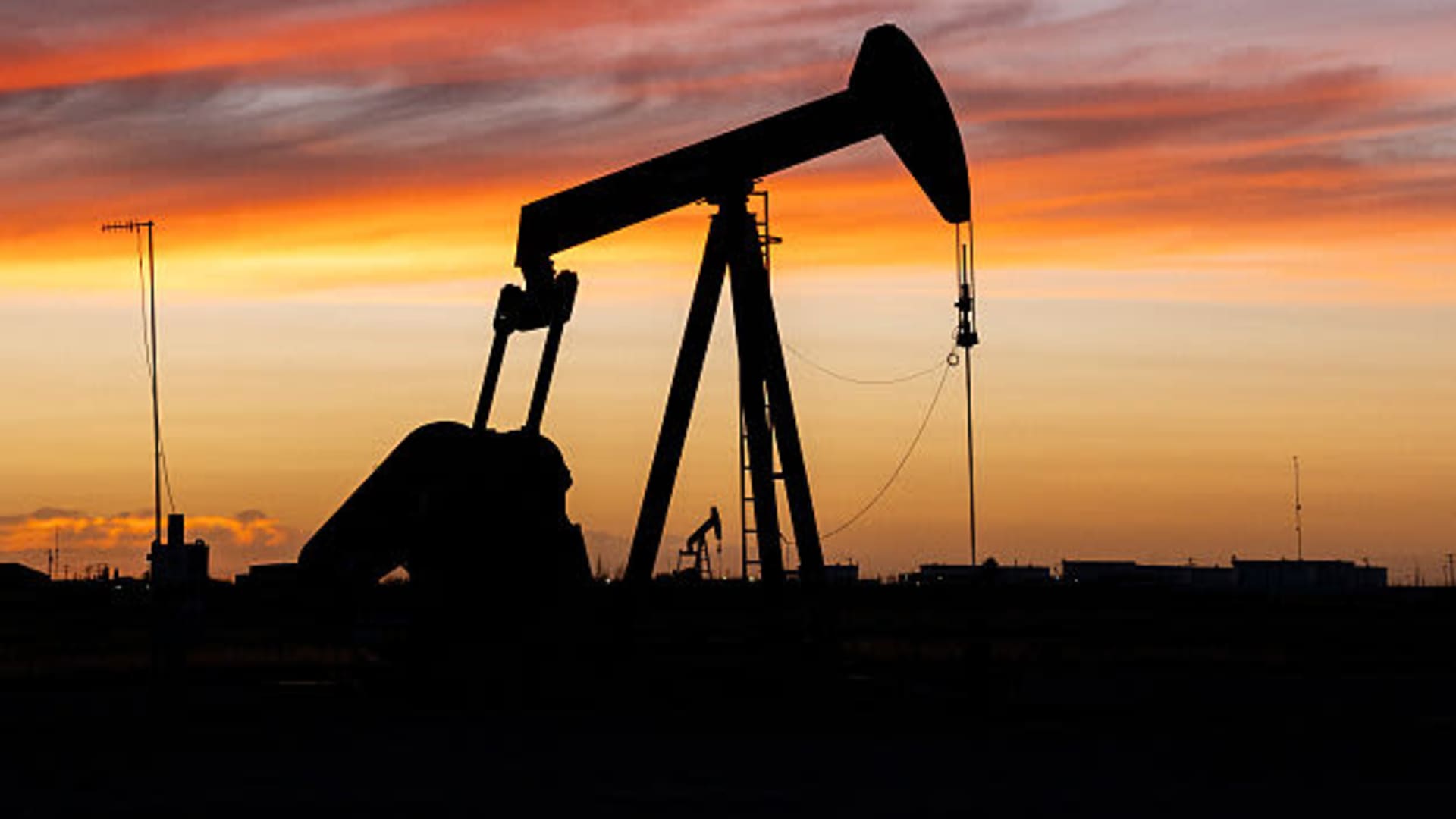
Oil prices remain elevated as the conflict involving the United States, Iran and Israeli forces keeps energy markets on edge. For everyday investors, the concern is straightforward: higher energy costs can push up inflation, pressure company profit margins and make the Federal Reserve less willing to ease policy.
Oil slipped in early Friday trading, CNBC reported, but was still set for a weekly gain as the U.S. and Iran continued exchanging strikes. The market is watching both direct attacks on energy infrastructure and disruption risks around the Strait of Hormuz, a key shipping route that CNBC said handles about 20% of global oil supply.
When oil rises, the effect can spread beyond gasoline. Energy is an input for transportation, manufacturing and agriculture, so sustained price increases can show up in the cost of goods and services. That feeds into headline inflation, the broad inflation measure that includes volatile categories such as food and energy.
BlackRock sees a global inflation hit
BlackRock estimated that the conflict will add about 0.8 percentage points to global headline inflation. The firm said the impact would not land evenly across regions.
Europe and parts of Asia are more dependent on imported energy, BlackRock said in a note, leaving them more exposed to a global inflation pickup tied to higher fuel costs. That matters for investors with international exposure because energy-importing economies can face a tougher mix of rising prices and weaker household spending power when crude stays expensive.
The pressure is also relevant for central banks. If inflation looks sticky because energy prices remain high, policymakers may be less comfortable signaling easier monetary policy. Monetary policy refers to tools such as interest rates that central banks use to influence borrowing, spending and inflation.
Fed caution may last until oil cools
OCBC said in a report that labor-market data point to stabilization rather than deterioration. Against that backdrop, the bank said a fresh energy shock would keep the Federal Reserve focused on inflation risks that are tilted higher.
Yung-Yu Ma, chief investment strategist at PNC Asset Management, made a similar point on CNBC’s “Squawk Box Asia.” He said the Fed’s hawkishness is “here to stay” until energy markets, oil prices and other inflation pressures show relief. A hawkish central bank is one that puts more weight on fighting inflation, often by keeping interest rates higher or policy tighter.
Ma also pointed to the stock-market angle. He said improving profit margins for U.S. small- and mid-cap companies are a positive development, but questioned whether those gains could hold up through “a couple of quarters” of higher oil prices and continued inflation strain.
Profit margin measures how much of a company’s sales remain after costs. Higher oil prices can raise costs for businesses that ship goods, use fuel directly or depend on energy-intensive supply chains. If companies cannot pass those costs on to customers, margins can narrow.
Ma said investors should think about a balanced portfolio and ways to diversify some of that risk. His comments were framed around risk management, rather than a specific call on any asset class.
This story draws on original reporting from CNBC.