Oil tops $90 as Iran conflict squeezes key shipping routes
Strait of Hormuz traffic has fallen sharply as U.S.-Iran strikes resume, putting oil supply risk back at the center of markets.
By Theo Nakamura · Staff Writer
· 4 min read
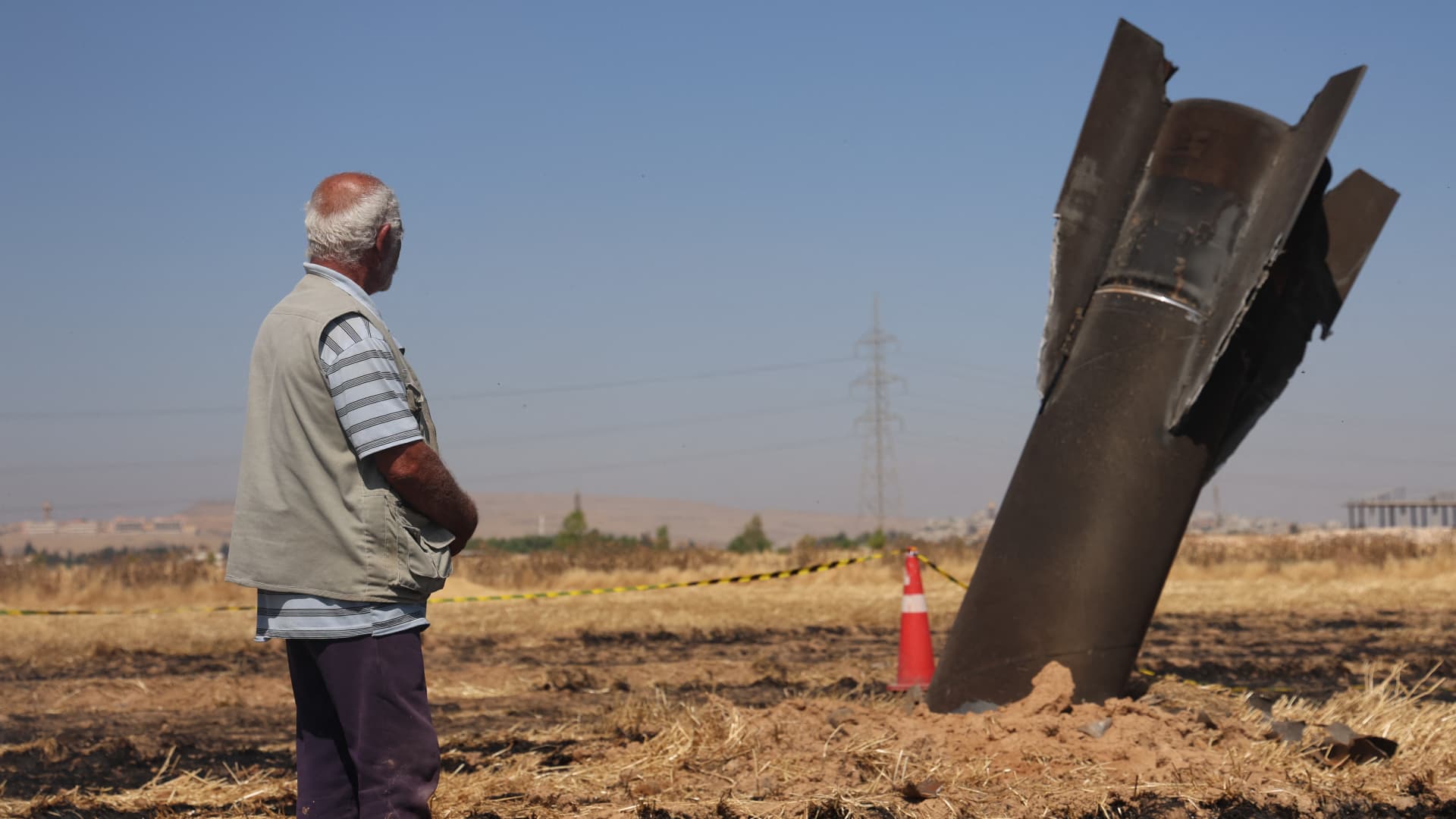
Oil investors are watching the Middle East again after renewed U.S.-Iran fighting pushed Brent crude above $90 a barrel. The market risk is straightforward: if ships cannot move safely through key waterways, less oil reaches buyers, and that can feed into fuel prices and inflation expectations.
U.S. Central Command has carried out 10 straight nights of strikes on Iran since President Donald Trump declared the ceasefire “over,” according to CNBC. Central Command said the strikes are aimed at reducing Iranian capabilities used to attack commercial shipping in the Strait of Hormuz.
Shipping through Hormuz has slowed
The Strait of Hormuz is a narrow waterway linking Gulf oil exporters with global shipping routes. A chokepoint is a route where a disruption can slow a large share of global trade, and Hormuz is one of the most sensitive for energy markets.
Lloyd’s List Intelligence analysts said some ships have moved through the strait with their transponders turned off. Kpler said just 30 ships transited the strait over the weekend, compared with more than 100 ships a day before the U.S. and Israel attacked Iran on Feb. 28.
The Trump administration has said the strait remains open and that millions of barrels of oil are still being shipped daily under U.S. military protection, CNBC reported.
Oil prices reflect supply anxiety
Brent crude, the international benchmark, moved above $90 a barrel on July 20 for the first time in more than a month, according to CNBC. U.S. crude futures also reached their highest level in a month that day.
The U.S. Energy Information Administration says about 20.3 million barrels of crude oil and petroleum products move through Hormuz each day. That is roughly a quarter of the world’s seaborne oil trade. The EIA says nearly 90% of those flows go to Asian markets, with China and India the main destinations.
Amrita Sen, founder and director of market intelligence at Energy Aspects, told CNBC’s “Access Middle East” that low inventory buffers leave the market exposed. She said disruption lasting into August could force Gulf production lower and send crude prices back into triple digits.
Iran still has ways to respond
Iran continues to pose risks to U.S. allies and assets in the region, CNBC reported. Israeli media said a vessel operated by Greek shipping firm Dynacom caught fire after an unknown projectile hit it in the Strait of Hormuz.
CNBC also reported that Iranian attacks on countries hosting U.S. bases recently killed three additional U.S. servicemen. Trump said Tehran “will pay” for the deaths “many times over,” and said the strait was open to all except Iran.
Ceasefire talks face pressure
Axios, citing people familiar with the matter, reported that Qatar and Pakistan presented the U.S. and Iran with a 10-day ceasefire proposal. Axios also reported that Washington is preparing for possible talks to fail, while Israel is preparing for a potential expansion into a full-scale coordinated campaign within days.
Clemens Chay, senior fellow for geopolitics at the Observer Research Foundation, told CNBC last week that the conflict was a contained but widening escalation cycle. He said Washington had “no good options,” with choices including enduring an Iranian war of attrition, escalating despite regional opposition, or offering concessions.
Chay said Iran still holds leverage over Hormuz “like a switch that it can flip on and off.” He warned that disruption at both Hormuz and the Bab el-Mandeb Strait would be catastrophic for the global economy.
A second shipping route is under threat
Houthi militants declared a maritime embargo against Saudi Arabia effective immediately on Monday night, CNBC reported. The group has repeatedly threatened to close the Bab el-Mandeb Strait, a route used by commercial ships and Saudi oil exports near the Red Sea.
Saudi Arabia has diverted millions of barrels of oil per day through a pipeline to a Red Sea export terminal during the conflict, according to CNBC. A Bab el-Mandeb closure would restrict that outlet and deepen the supply disruption tied to tanker attacks near Hormuz.
This story draws on original reporting from CNBC.


