Procter & Gamble earnings push CNBC Investing Club to exit stake
CNBC’s Investing Club said it sold its remaining P&G position after revenue missed estimates and energy costs weighed on profit.
By Theo Nakamura · Staff Writer
· 3 min read
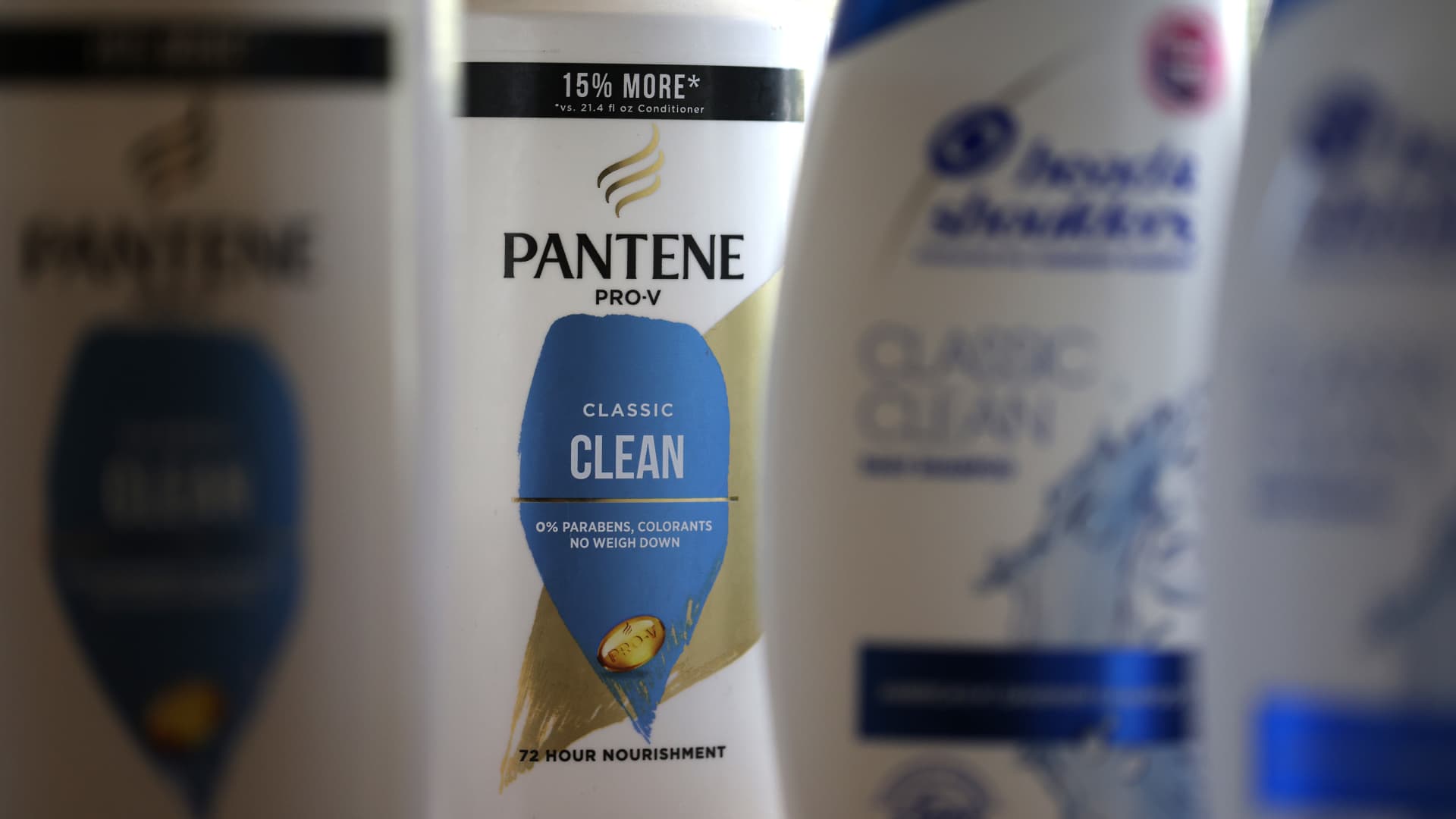
Procter Gamble earnings gave CNBC’s Investing Club with Jim Cramer the final push to sell what it described as a small remaining position in the consumer-products company. For retail investors, the move is a useful read on why even defensive stocks can lose their appeal when costs rise and sales momentum weakens.
The club said Wednesday that Procter & Gamble’s latest quarter left “not much” to support staying in the stock. It also said comments from management on the company’s earnings call did not change that view. The position had already been reduced by one-third on Tuesday afternoon, according to the club, leaving it at less than 1% of the portfolio before the exit.
CNBC’s Investing Club said it has been trying to reduce the number of stocks in its portfolio from 34, which raised the standard for keeping smaller holdings. The club said P&G did not clear that bar after the report. It also compared the decision with its move last week to downgrade Dover to a “sell-into-strength” rating.
Why did CNBC's Investing Club sell Procter & Gamble?
The club pointed to weak organic sales trends, higher costs tied to energy, transportation and materials, and geopolitical pressure connected to the Iran war. Jim Cramer said on CNBC’s Morning Meeting that the quarter was “almost all bad,” according to the club.
The original investment case had been that P&G could act as a defensive holding if the economy slowed or if investors rotated away from high-growth artificial intelligence winners, the club said. Defensive companies sell products that consumers tend to keep buying in tougher times, such as household basics and health items.
That argument became harder to support because higher oil and energy prices are feeding into the company’s costs, according to the club. In the reported quarter, energy, transportation and materials costs created a 6-cent per-share drag on earnings. Looking ahead, P&G estimated about a $1 billion after-tax headwind in fiscal 2027 from those same pressures, according to the club.
The club said it prefers defensive companies that can hold up in a slowdown while having less earnings exposure to energy volatility. It named Eli Lilly, Johnson & Johnson and Cardinal Health as examples, and said all three were higher for the week while the S&P 500 was down about 0.5%. CNBC disclosed that Jim Cramer’s Charitable Trust was long Eli Lilly, Cardinal Health, Amazon and Johnson & Johnson.
What did P&G report?
Procter & Gamble reported quarterly revenue of $21.2 billion, below the $21.38 billion consensus estimate from LSEG. Adjusted earnings per share were $1.43, which beat expectations by 2 cents, according to the club.
North America organic sales fell 1%, even though consumption and market share improved. Chief Financial Officer Andre Schulten said on the earnings call that there was a “notable disconnect between sell-out and sell-in,” according to the club.
Sell-in is what P&G sells to retailers, and sell-out is what retailers sell to shoppers. For P&G, sell-in is the figure that shows up as sales. The club said sell-out rose 2% in the quarter, while sell-in fell 1%, meaning consumers bought more P&G products but retailers ordered fewer new goods from the company.
The club said retailers appeared to use inventory they had already built. It also noted that Amazon’s Prime Day took place in late June this year, inside P&G’s fiscal fourth quarter, rather than in early July, which may have affected when retailers stocked up.
By segment, Beauty was the only category with positive organic sales growth, rising 4%. Grooming was unchanged, Fabric & Home Care was unchanged, Health Care fell 1%, and Baby, Feminine & Family Care declined 2%, according to the club. Greater China organic sales rose 4%, and Schulten cited positive momentum into the current quarter, the club said.
This story draws on original reporting from CNBC.


