Property tax cuts head to midterm ballots across several states
Voters in 13 states will decide tax measures in November, with property tax rollbacks putting household bills and local budgets in conflict.
By Theo Nakamura · Staff Writer
· 4 min read
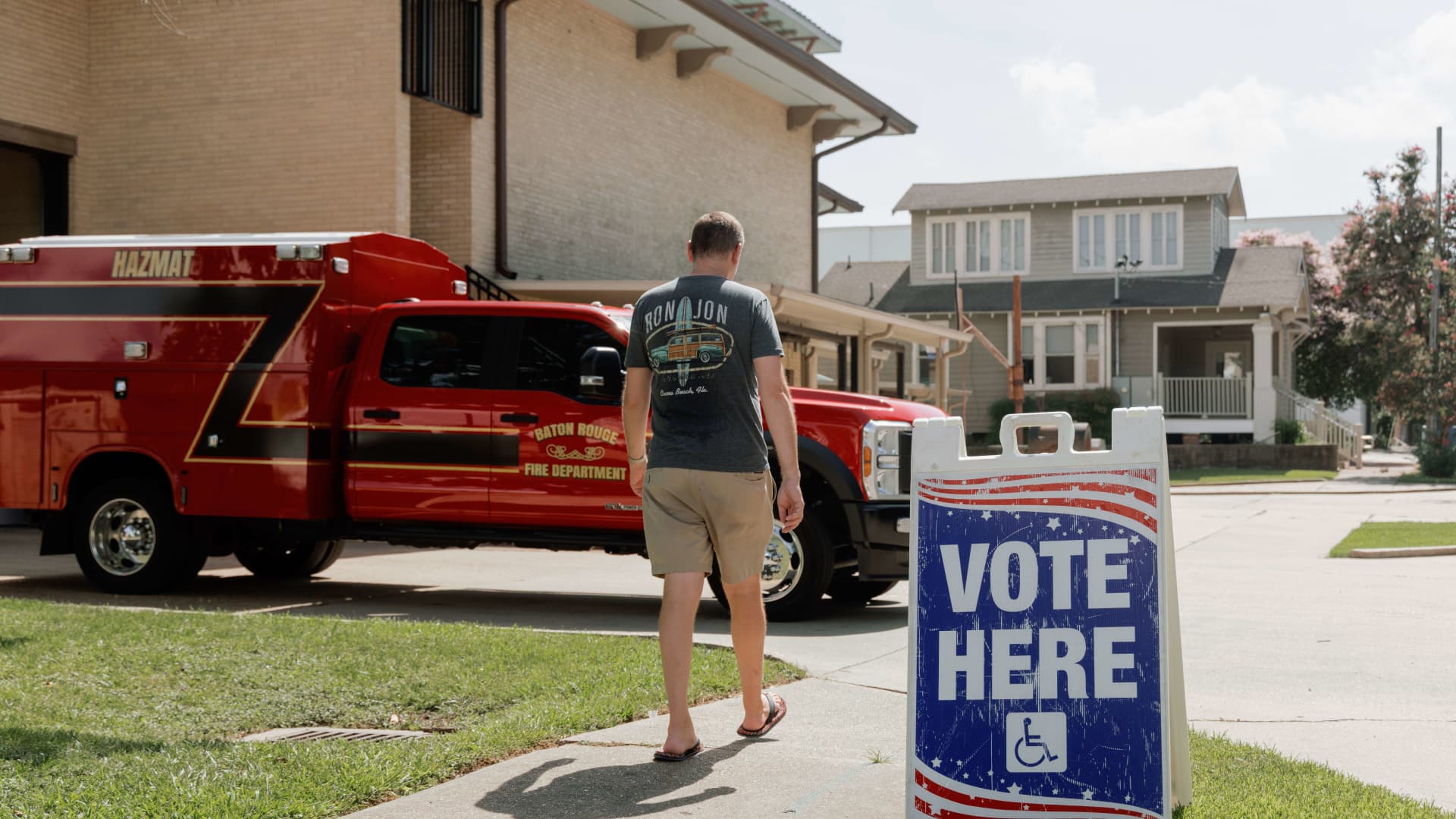
Property taxes are becoming one of the biggest kitchen-table fights on November ballots, and the outcome could affect both homeowners’ bills and the local services those taxes fund. CNBC reported that 26 tax-related ballot initiatives are set across 13 states, giving voters a direct say over tax policy at a time of rising government spending and heavier tax burdens.
A ballot initiative is a measure voters decide directly, rather than leaving the final call to lawmakers. Several of this year’s measures focus on property taxes, the taxes homeowners pay on real estate, which local governments often use to fund schools, roads, libraries, parks, fire services and other public needs.
California’s Proposition 40, a proposed one-time 5% wealth tax on billionaire residents, has drawn the most attention nationally, according to CNBC. But many other measures would move in the opposite direction by reducing or limiting taxes tied to homes.
States put homeowner tax bills in focus
CNBC reported that Florida, Georgia, Louisiana, Oklahoma, North Carolina, Tennessee and Wyoming have property tax proposals on their ballots. The measures vary by state. Some would raise the assessed-value threshold for existing exemptions, some would add exemptions for older homeowners, and Tennessee’s Amendment 2 would bar a state-level property tax.
Tennessee has not had a state property tax since 1949, and most states rely on local governments to administer property taxes, according to CNBC. Local officials generally set rates based on property values and budget needs, so a lower tax bill for homeowners can mean less revenue for city and county budgets.
That trade-off is driving the political fight. Tennessee State Senator Brent Taylor argued in favor of Amendment 2 before its first legislative passage in 2025, saying property taxes make owners feel as if they are paying rent to the government. In Florida, Jacksonville Mayor Donna Deegan warned that the state’s proposed Amendment 3 could cut $300 million from the city budget and lead to worse roads, closures of public facilities, slower public-safety responses and more pressure on housing and homelessness.
Florida’s Amendment 3 would raise the maximum property assessment eligible for the state’s homestead tax exemption from $150,000 to $250,000, according to CNBC. Deegan said that change would reduce Jacksonville’s city budget by one-third.
Budget impact is the central question
Estimates cited by CNBC show the potential revenue losses are large. Florida’s Amendment 3 could reduce revenue by about $46 billion by 2032. Another Florida measure tied to tangible personal property used for agriculture or agritourism is estimated to cost $96.9 million by 2030. Wyoming’s homeowner primary residence exemption initiative is estimated to cost at least $188 million by 2030.
Some proposals, including measures in Louisiana, do not yet have full cost estimates, CNBC reported, though they are still projected to reduce local government revenue.
Supporters say local governments should rely less on homeowners. North Carolina Treasurer Brad Briner told CNBC that some municipalities in his state have overtaxed residents and that higher property levies can strain current homeowners and discourage potential buyers. Briner said most municipalities are financially well managed, but some turn to extra revenue to cover mistakes.
Local officials opposed to the measures say property taxes are a stable funding source they cannot easily replace. Don Mial, chair of the Wake County Board of Commissioners, told CNBC that property taxes fund about 75% of the county’s annual budget and support schools, libraries, fire stations and infrastructure. He said losing local control over tax rates could force service cuts and smaller capital improvement plans.
Past votes show a mixed mood
Recent election results give both sides data to point to. CNBC reported that Oregon voters rejected a measure this year that would have raised fuel and public transportation payroll taxes. Louisiana voters also rejected an amendment that would have let local governments exempt business inventory from property taxes.
Property tax relief has fared better in other states. Texas voters approved Proposition 13 in 2025, raising the homestead exemption from $100,000 to $140,000, with nearly 80% support. Georgia voters approved a 2024 personal property tax exemption increase from $7,500 to $20,000 with more than 64% support. Arizona voters also approved a 2024 measure allowing homeowners to seek property tax refunds in municipalities that do not enforce public nuisance laws.
Voters have rejected broader cuts when they see risks to local budgets. North Dakota’s 2024 Initiated Measure 4, which would have effectively barred local governments from imposing property taxes, failed after concerns about municipal finances, according to CNBC.
Florida may be a key test. A University of North Florida Public Opinion Research Lab poll found 61% support for Amendment 3 when respondents were told it would phase out taxes on homestead property except school taxes. After respondents heard about projected city and county budget shortfalls, support fell to 45% and opposition rose to 47%.
Florida constitutional amendments need 60% voter support to pass, CNBC reported. In other states with property tax initiatives, a simple majority is generally enough, making November a direct test of how voters weigh lower housing costs against local government funding.
This story draws on original reporting from CNBC.