Ryanair shares fall as fuel costs hit quarterly profit
The budget airline said profit dropped 34% as unhedged fuel costs jumped and lower fares reflected later bookings tied to the Middle East crisis.
By Theo Nakamura · Staff Writer
· 3 min read
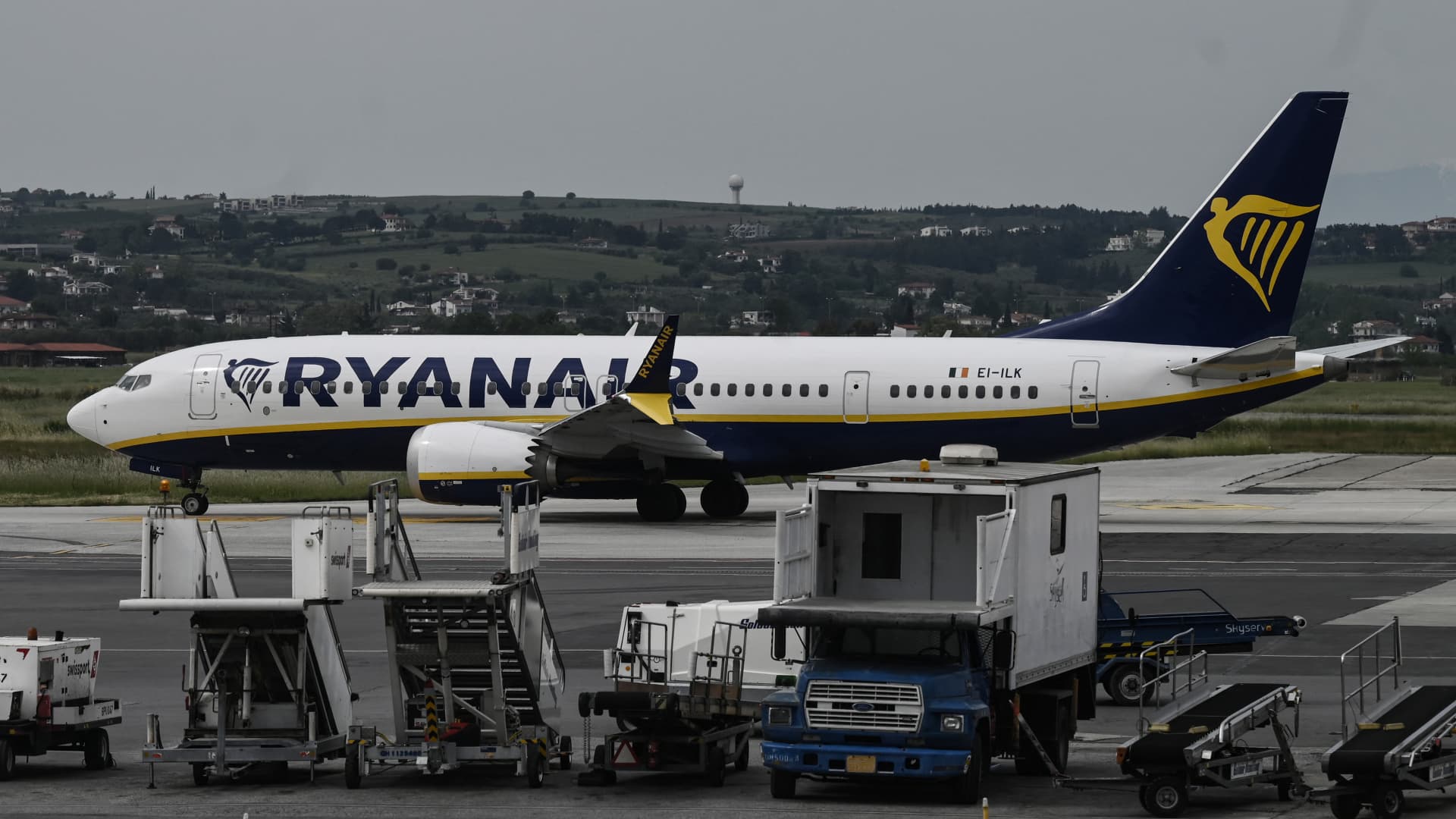
Ryanair shares fell 6% after the airline reported a sharp drop in quarterly profit, according to CNBC. For everyday investors, the read-through is straightforward: even a low-cost carrier can see margins squeezed when fuel rises and fares soften at the same time.
The Irish budget airline said profit after tax for the April-to-June quarter fell 34% to 538 million euros, or $615.3 million, from 820 million euros a year earlier. Ryanair attributed the decline to higher fuel costs on the portion of its fuel needs that was not protected by hedges, along with weaker ticket pricing.
Fuel is one of the biggest costs for airlines. Many carriers use hedging, which means locking in future fuel prices through financial contracts, to reduce the risk that oil and jet fuel prices rise suddenly. Ryanair said 20% of its fuel was unhedged during the quarter, leaving that portion exposed to price spikes.
The company said the cost of that unhedged fuel more than doubled in the period. Ryanair also reported that total operating costs rose 11% to 3.81 billion euros.
Ticket fares moved the other way. Ryanair said fares fell 6% in the quarter, which hurt revenue per passenger. Chief Executive Michael O’Leary said first-quarter fares needed extra support because the Middle East conflict contributed to consumer hesitation, concerns about European Union jet-fuel shortages, economic uncertainty and later bookings.
That mix matters because airlines have limited room to absorb cost shocks. If fuel rises while ticket prices fall, profit can drop quickly unless passenger volumes or other revenue sources offset the pressure. Ryanair’s results show how geopolitical tension can reach a travel stock through oil markets, consumer behavior and operational costs.
Ryanair points to its fuel hedging
O’Leary said Ryanair’s “conservative hedging policy” helps protect the airline from oil-price volatility while turmoil in the Middle East continues. He said that gives the company a cost advantage over European competitors.
Ryanair said its jet fuel for 2027 is 80% hedged at $67 per barrel. For 2028, the airline said it has hedged 15% at $85 per barrel.
Those figures matter because hedging can smooth costs, but it does not remove risk entirely. A higher percentage hedged can protect an airline when market prices rise above the locked-in level. A lower percentage leaves more of the fuel bill exposed to current market prices.
Ryanair also warned that weaker European airlines face a difficult winter. O’Leary said unprofitable carriers would be under pressure, according to the company’s comments reported by CNBC.
The update puts airline investors back on familiar ground: fares, fuel and demand timing. Ryanair remains a large low-cost carrier, but its quarter showed that geopolitical shocks and booking caution can cut into earnings even when airlines keep tight control of their cost base.
This story draws on original reporting from CNBC.


