Situational Awareness hedge fund collapse shows margin risk, Cramer says
Jim Cramer said Situational Awareness’ forced AI unwind shows how leverage can turn a bad trade into forced selling.
By Theo Nakamura · Staff Writer
· 3 min read
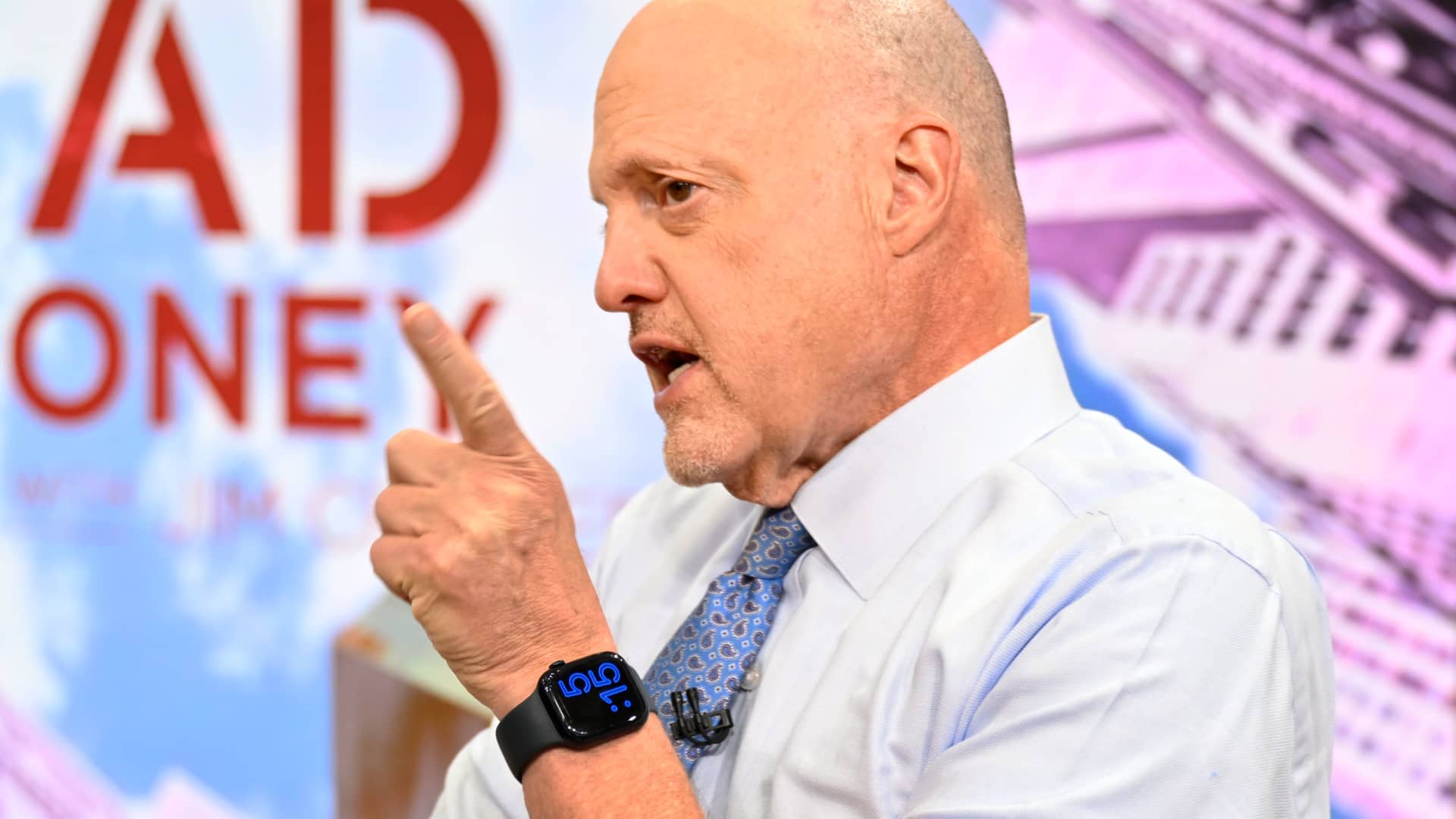
Jim Cramer said the Situational Awareness hedge fund collapse is a warning for investors who use borrowed money to trade, especially in volatile parts of the market like artificial intelligence. On CNBC’s “Mad Money” Thursday, Cramer said the fund’s forced unwind showed how leverage can turn losses into selling that feeds on itself.
Situational Awareness, an AI-focused hedge fund founded by former OpenAI researcher Leopold Aschenbrenner, was forced to unwind highly leveraged public-stock positions after sharp losses in recent weeks, CNBC reported. The fund had used a trade known as “long hardware, short software,” meaning it bet on gains in AI infrastructure stocks such as Micron while betting against software companies seen as exposed to AI disruption.
That setup can work when both sides move as expected. It can break quickly when they move the other way. Cramer said the reversal forced the fund to sell positions to meet a margin call, adding pressure to stocks he described as having strong underlying businesses.
What happened to Situational Awareness?
CNBC reported that Situational Awareness suffered steep losses as its AI trade reversed, forcing it to unwind leveraged bets. A margin call happens when a broker demands more cash or collateral because borrowed-money positions have lost value; if the investor cannot meet it, positions can be sold to reduce the loan.
Cramer told viewers he had been warning them for two weeks to stop using margin, meaning borrowed money from a brokerage account. He said he did not want individual investors caught in the same kind of forced selling that can hit an overextended fund.
The trade’s reversal showed up in two closely watched stocks. Micron, a chip and memory company tied to AI infrastructure spending, fell 39% from its June 25 record high through Wednesday’s close, CNBC reported. Adobe, a software stock, rose 36% over that same stretch. On Thursday, those moves started to reverse, with Micron up 18% and Adobe down 6%.
Cramer argued that the earlier sell-off in AI infrastructure names looked more like forced liquidation than a reaction to deteriorating company performance. He said Aschenbrenner appeared to lose money despite what Cramer called excellent performance by the companies involved.
Why leverage can make a stock move worse
Leverage increases the size of a bet by using borrowed money. That means gains can be larger, but losses can also arrive faster, and lenders can force selling when account values fall below required levels.
For the broader AI trade, Cramer said the liquidation could end up being stabilizing if it removes a large seller from the market. He described the unwind as a possible clearing event, because once a forced seller is done selling, one source of downward pressure may disappear.
His message for retail investors was more direct: avoid creating a situation where a broker can force the timing of a sale. Cramer said investing is difficult enough without adding margin, and he urged viewers to remember what happened with Situational Awareness before borrowing against their portfolios.
This story draws on original reporting from CNBC.