SK Hynix jumps in Nasdaq debut as AI memory demand pulls in US investors
The South Korean memory maker closed at $168.01 after its ADR listing, with Chairman Chey Tae-won telling CNBC AI needs more chips.
By Dev Ramirez · Crypto Correspondent
· 3 min read
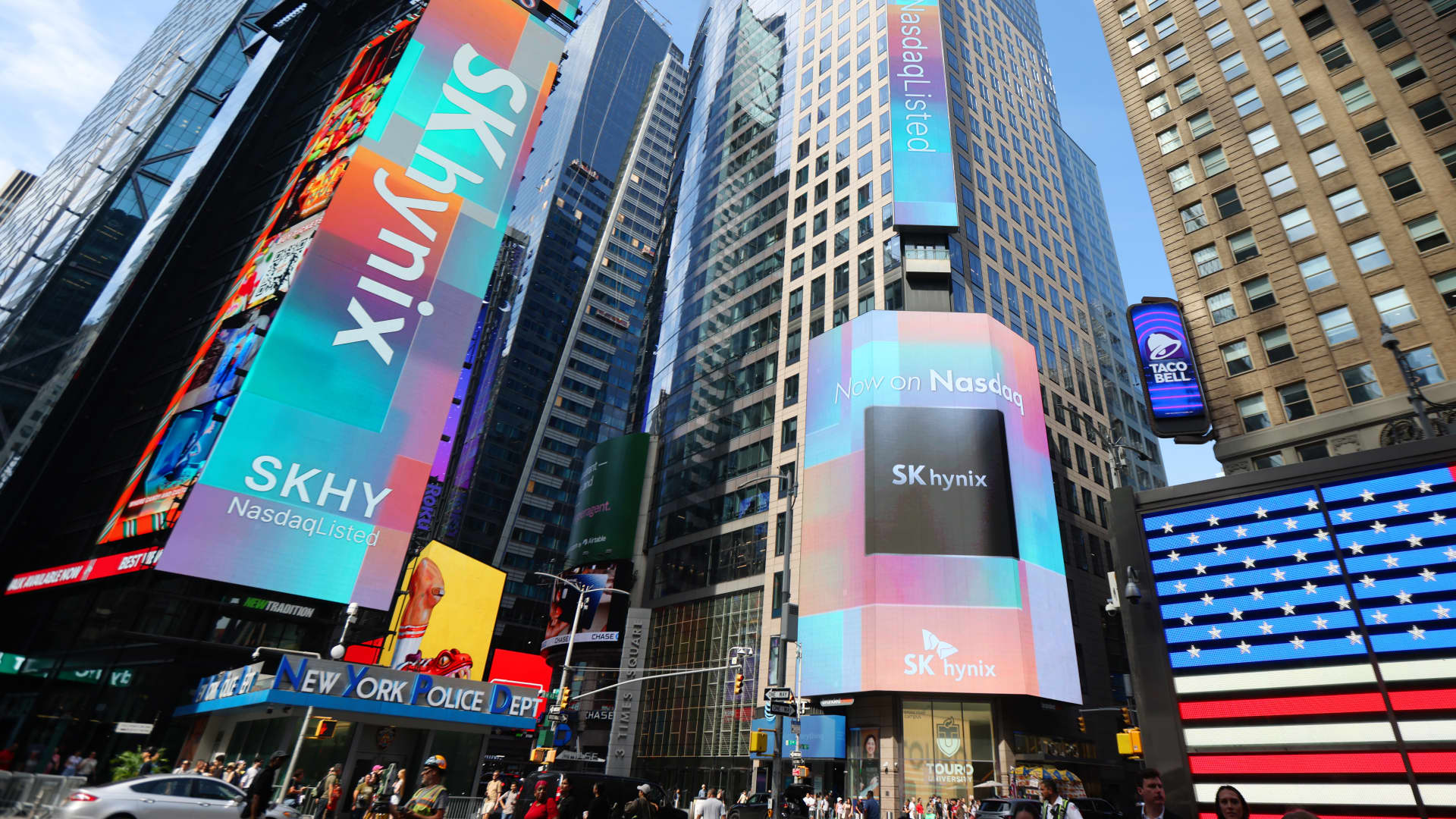
SK Hynix gained 13% in its first Nasdaq session Friday, giving U.S. investors a new way to trade one of the biggest companies tied to the artificial intelligence buildout. The move matters because memory chips, once a lower-profile corner of semiconductors, have become central to the servers that train and run AI systems.
The South Korean company’s American depositary receipts closed at $168.01 after opening at $170, CNBC reported. An American depositary receipt, or ADR, is a U.S.-listed security that represents shares of a foreign company, making it easier for American investors to buy exposure without trading directly on an overseas exchange.
SK Hynix began trading under the ticker SKHYV and is set to change to SKHY on Tuesday, according to CNBC. The ADRs were priced at $149, raising $26.5 billion for expansion plans that include new factories and equipment.
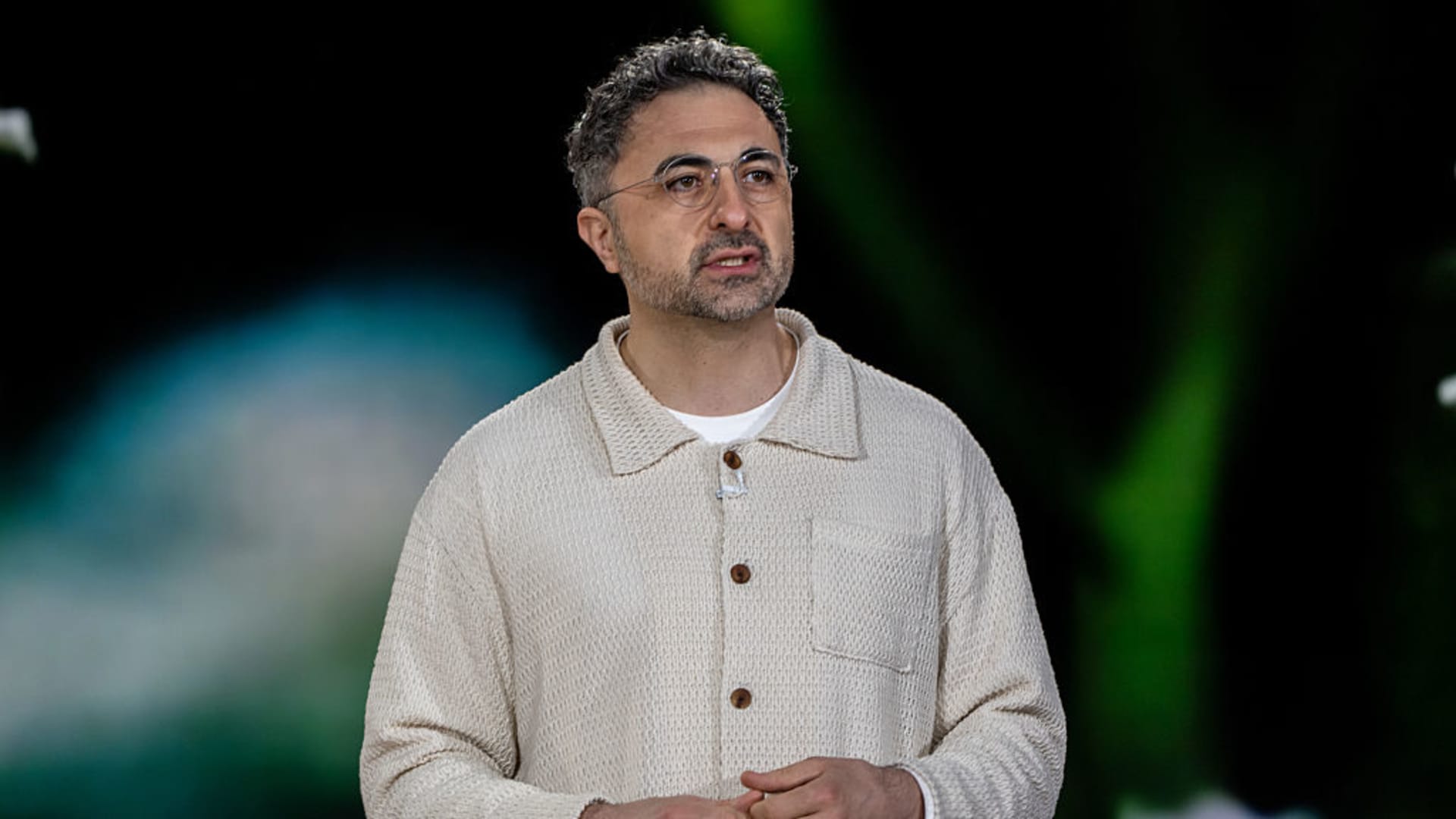
Chairman Chey Tae-won described the Nasdaq listing as “a kind of dream” and “a dream come true” in an interview with CNBC’s Kristina Partsinevelos on Friday.
AI is changing the memory business
SK Hynix is South Korea’s second-most valuable company by market capitalization, behind Samsung, CNBC reported. Like Samsung, SK Hynix makes memory chips, which devices such as phones and personal computers use to store short-term data. CNBC identified Nvidia and Apple among the company’s customers.
The investor focus is now on high bandwidth memory, known as HBM. HBM is a faster type of memory used in AI chips, and it is made by stacking multiple layers of conventional memory together through a more complex manufacturing process.
SK Hynix leads in the high-performance memory used in Nvidia’s AI chips, according to CNBC. Nvidia is currently the world’s most valuable company, CNBC reported.
Chey told CNBC that customers and partners continue to ask for more supply. He said that even after SK Hynix disclosed plans to double capacity within five years, customers responded that the added production would still fall short of their needs.
“The demand is enormous, exponentially, so I don’t really see” signs that demand for HBM is weakening, Chey told CNBC.
Expansion plans come with a familiar risk
CNBC reported that SK Hynix’s valuation has increased more than sevenfold over the past year as AI infrastructure demand created a shortage of computer memory and pushed prices sharply higher.
Memory has a history of sharp cycles. CNBC noted that earlier technology waves, including the dot-com era, the rise of smartphones and the shift to cloud software, increased demand for memory and were followed by oversupply and falling prices.
Chey told CNBC that SK Hynix believes the demand pattern has changed because AI systems require more memory than prior generations of computing. “The AI agent, physical AI robot, actually that needs a lot of memory chips,” he said.
Some of SK Hynix’s HBM will be packaged in the United States after the company announced a $4 billion advanced packaging plant in Indiana, CNBC reported. Most of the company’s planned expansion over the next several years will be in South Korea, including a chip fabrication cluster in Yongin with a projected cost of $390 billion.
The listing follows SpaceX’s public debut about a month earlier, which CNBC described as the largest initial public offering on record.
This story draws on original reporting from CNBC.