SpaceX first earnings report follows sharp retreat from post-IPO high
SpaceX reports second-quarter results Aug. 4 after a volatile debut, with Starlink, Starship spending and share unlocks in focus.
By Theo Nakamura · Staff Writer
· 3 min read
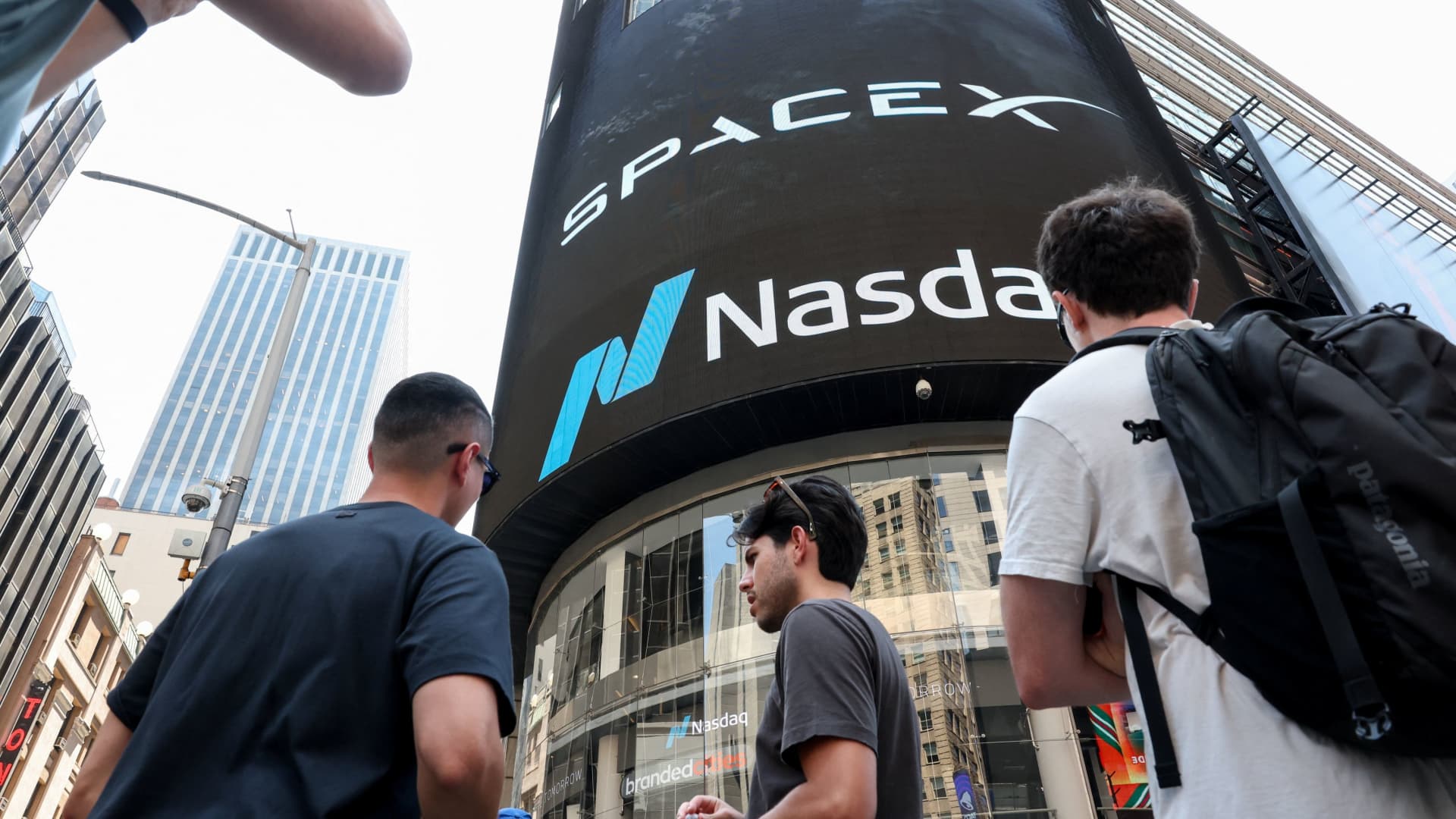
SpaceX’s first earnings report is due after the market closes Tuesday, Aug. 4, following a sharp retreat in the stock since its June debut. For shareholders, the report is the first chance to assess the business behind the valuation, while a separate wave of newly saleable insider shares is approaching.
SpaceX said it will release second-quarter financial and operational results after the close and hold an audio webcast at 4:30 p.m. ET. This is a preview of that event: the available material does not include the quarter’s results, guidance or management commentary.
The stock’s early trading has been unusually volatile. Morningstar reported that SpaceX priced its IPO at $135 per share and closed its first session on June 12 at $160.95. The shares reached an intraday high of $225.64 on June 16, according to reporting republished by Yahoo Finance. CNBC said they closed at $108.37 on the Friday before earnings, more than 50% below their post-IPO intraday high.
Those figures use different dates and benchmarks, but together they show how quickly the market’s initial enthusiasm gave way to harder questions about revenue, costs and funding needs. CNBC reported that SpaceX’s market capitalization stood at $1.4 trillion at that Friday close. Market capitalization is the market value of a company’s equity, calculated from its share price and shares outstanding. It does not establish what the business is worth on its own.
What should investors watch in SpaceX’s first earnings report?
Starlink is central. CNBC reported that the satellite-connectivity business is SpaceX’s only profitable segment, while Morningstar analyst Nicolas Owens called it the company’s largest current revenue and profit driver. Investors will be looking for evidence on subscription growth and the economics of that business.
They will also be watching Starship. SpaceX says its next-generation rocket is intended to be fully reusable and, if it succeeds, could lower the cost of sending cargo and people to space while supporting expansion of Starlink. In its prospectus, the company warned that failure to achieve full reusability or rapid turnaround could increase per-launch costs, slow constellation deployment and revenue growth, and require more capital.
Owens said any disclosed Starship research-and-development spending would offer a window into the investment SpaceX may need before Starship becomes commercial. That is an analyst’s assessment, not a company forecast.
Why the share unlock is a separate issue
Two days after the earnings report, holders of restricted pre-IPO shares will be eligible to sell stock equal to 7% of shares outstanding, Morningstar reported, citing SpaceX’s amended S-1. Yahoo Finance separately reported that 911.5 million shares held by employees and some early investors would become eligible on the second trading day after the report.
The ability to sell does not mean those holders will sell. Still, Morningstar said a growing supply of tradable shares could add to volatility depending on market demand. Investors therefore face two near-term questions: what the Aug. 4 earnings report says about operating progress and how the market handles the added potential share supply.
Valuation views remain far apart. Morningstar estimated fair value at $780 billion, or $63 a share, while New Street Research set a $165 target before the IPO, according to CNBC. Those are analyst opinions, rather than confirmed outcomes from the upcoming report.
This story draws on original reporting from CNBC.


