SpaceX Starship test flight launches after IPO and delays
SpaceX launched Starship’s 13th test flight from Texas, giving investors a fresh look at the rocket tied to Starlink and NASA ambitions.
By Theo Nakamura · Staff Writer
· 3 min read
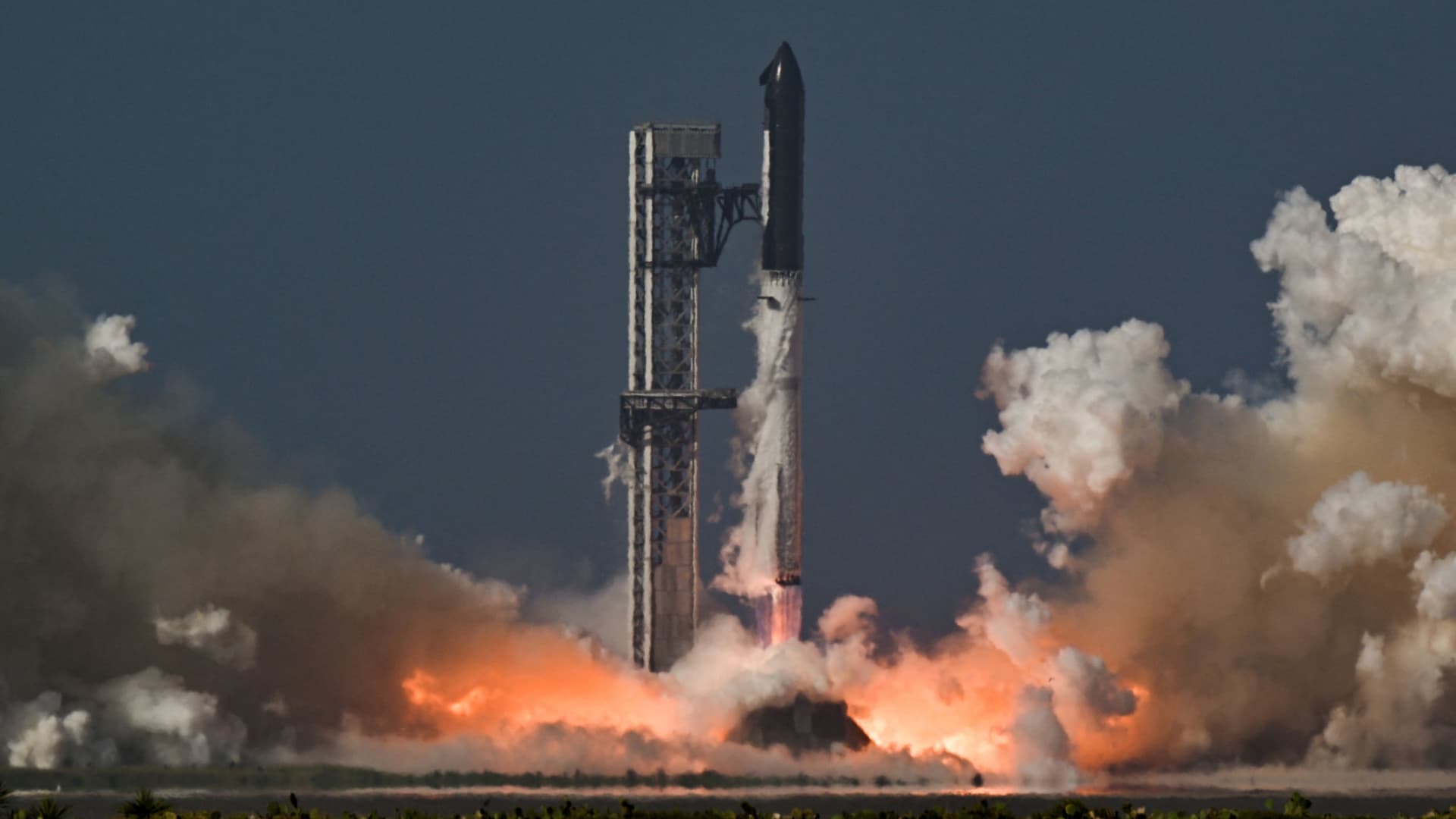
SpaceX launched a SpaceX Starship test flight Friday evening from Starbase, Texas, sending its giant rocket up for the 13th time and for the first time since the company’s record initial public offering last month. For retail investors now tracking SpaceX as a public stock, the launch matters because Starship is central to the company’s plans for Starlink growth, NASA work and longer-term human spaceflight goals.
The flight followed delays earlier in the week. SpaceX said in a post on X that a planned Thursday attempt was pushed back because of weather. The company also called off a July 16 attempt after a booster issue triggered a hold and shut down the engines as ignition was starting, according to a SpaceX employee speaking during that livestream.
On Friday’s launch, the Super Heavy booster separated from the Starship spacecraft about two minutes after liftoff, then completed a controlled splashdown in the Gulf, according to SpaceX’s flight coverage. SpaceX was also aiming for the Starship upper stage to make a controlled splashdown in the Indian Ocean.
Why does the SpaceX Starship test flight matter to investors?
Starship is the largest rocket ever built or flown, and SpaceX designed it to be fully reusable, meaning the company wants to fly major rocket hardware more than once instead of discarding it after each mission. Reuse is important to SpaceX’s business model because it can lower launch costs and allow the company to send heavier payloads to orbit more often.
That payload capacity is tied directly to Starlink, SpaceX’s satellite internet business. CNBC reported that investors have been watching Starship tests closely because the rocket is considered essential to SpaceX’s goal of expanding the Starlink satellite network at a much faster pace.
About 18 minutes into Friday’s test, SpaceX began deploying 20 new Starlink V3 satellites. The company successfully released all 20, marking the first in-flight deployment test for the new satellites, according to SpaceX’s livestream. The satellites were intended to fall out of orbit and burn up within about 20 minutes.
A SpaceX business analyst said during the livestream that the new Starlink V3 satellites are built at the company’s Redmond, Washington, facility and are larger and more powerful than earlier Starlink satellites. The analyst said their solar arrays can produce twice as much power as prior generations.
What else is SpaceX building Starship to do?
SpaceX is developing Starship for missions beyond Starlink deployment. The company wants to use the rocket to return U.S. astronauts to the lunar surface and, eventually, to support crewed missions to Mars. SpaceX is preparing Starship for a major NASA test flight next year, according to CNBC.
The company is also developing Starmind satellites, which it intends to launch and eventually use as orbital data centers. That would put computing infrastructure in orbit, though SpaceX has not detailed in this report when those satellites would begin operating.
Friday’s mission was the second flight for Starship V3, the latest version of the rocket. It also came during a weak stretch for SpaceX shares: CNBC reported that the stock had fallen in four of the past five weeks and was down 43% from its June 16 peak close.
The test gave SpaceX a new data point after the recent scrubbed attempts. For investors, the key issue is how quickly the company can turn Starship from a test program into a repeatable launch system that supports Starlink, NASA commitments and future space projects.
This story draws on original reporting from CNBC.