Stoxx 600 record high reflects gains in chips, banks and energy
The Stoxx 600 closed at a record 656.86 as semiconductor shares, banks and energy led an uneven European rally.
By Theo Nakamura · Staff Writer
· 3 min read
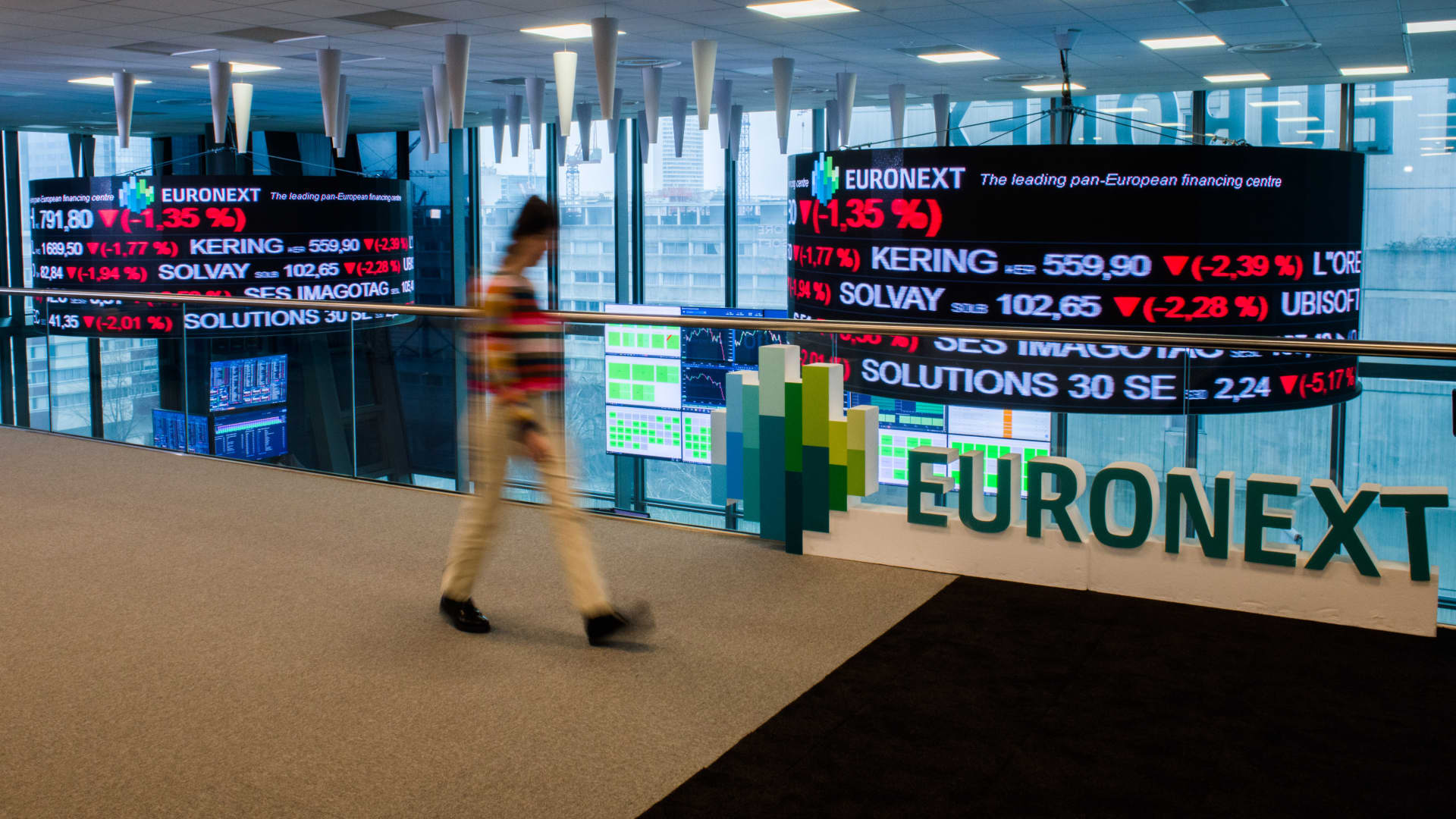
The Stoxx 600 record high arrived Tuesday, when the pan-European benchmark rose 0.7% to close at 656.86. The index was up 10% for 2026 to that point, CNBC reported, but the move has not been a uniform rally across European stocks.
For an individual investor, the record is a read on a broad market rather than one company or industry. The Stoxx Europe 600 tracks 600 large-, mid- and small-cap companies in 17 European countries. It is a benchmark, meaning a measure of how a defined group of stocks is performing.
What is driving the Stoxx 600 record high?
Semiconductor-related companies have supplied the most dramatic gains. CNBC said the five best-performing European stocks this year were Soitec, up 371%; AT&S, up 330%; Technoprobe, up 123%; Aixtron, up 116%; and STMicroelectronics, up 101%.
Russ Mould, investment director at AJ Bell, told CNBC that earnings upgrades and enthusiasm for artificial intelligence helped propel the group. He also pointed to pricing strength, sizable order backlogs, clearer revenue visibility and discussion of shortages through the semiconductor supply chain.
The gains have come with sharp swings. AT&S and Aixtron were each more than 20% below their mid-June highs, CNBC reported. Morningstar strategist Michael Field told the network that investors were reassessing how long the AI buildout would last, even as committed spending was benefiting chip companies.
Banks and energy added different sources of support
European banks have also outperformed. The Euro STOXX Banks index returned 18%, according to CNBC, with takeover activity and consolidation supporting French and Italian lenders. Mould described conditions for major banks as favorable, citing a resilient economy, modest loan impairments, holding net interest margins and trading-market volatility that supported investment-banking operations at diversified firms.
Energy shares gained from higher fossil-fuel prices during the U.S.-Israeli war with Iran. BP shares were up 20% year to date after the company reported a sharp increase in second-quarter profit, CNBC said. Reuters reported in March that energy was the only Stoxx 600 sector higher during one conflict-driven selloff, as disruptions around the Strait of Hormuz lifted oil prices.
Where has the rally been weaker?
Luxury goods have struggled, CNBC reported. The pressures included slower sales in China and the broader Asian market, weaker tourism spending and demanding valuations. Reuters reported on July 29 that the European luxury-sector gauge fell 2.4%, its largest sector loss that day; Hermès fell 11% after saying it had yet to see a fundamental recovery in China, its largest market.
Investors are also weighing elevated oil prices, persistent inflation and geopolitical uncertainty. Reuters reported that market participants remained uneasy about spending on AI data centers. A record index level therefore reflects leadership from several sectors, while leaving meaningful differences in performance and risk among the companies inside it.
This story draws on original reporting from CNBC.


