Trump’s generic drug tariff plan puts low-cost medicine makers on alert
Proposed duties of up to 200% could pressure generic drug margins and supply chains, with key details still unresolved.
By Theo Nakamura · Staff Writer
· 4 min read
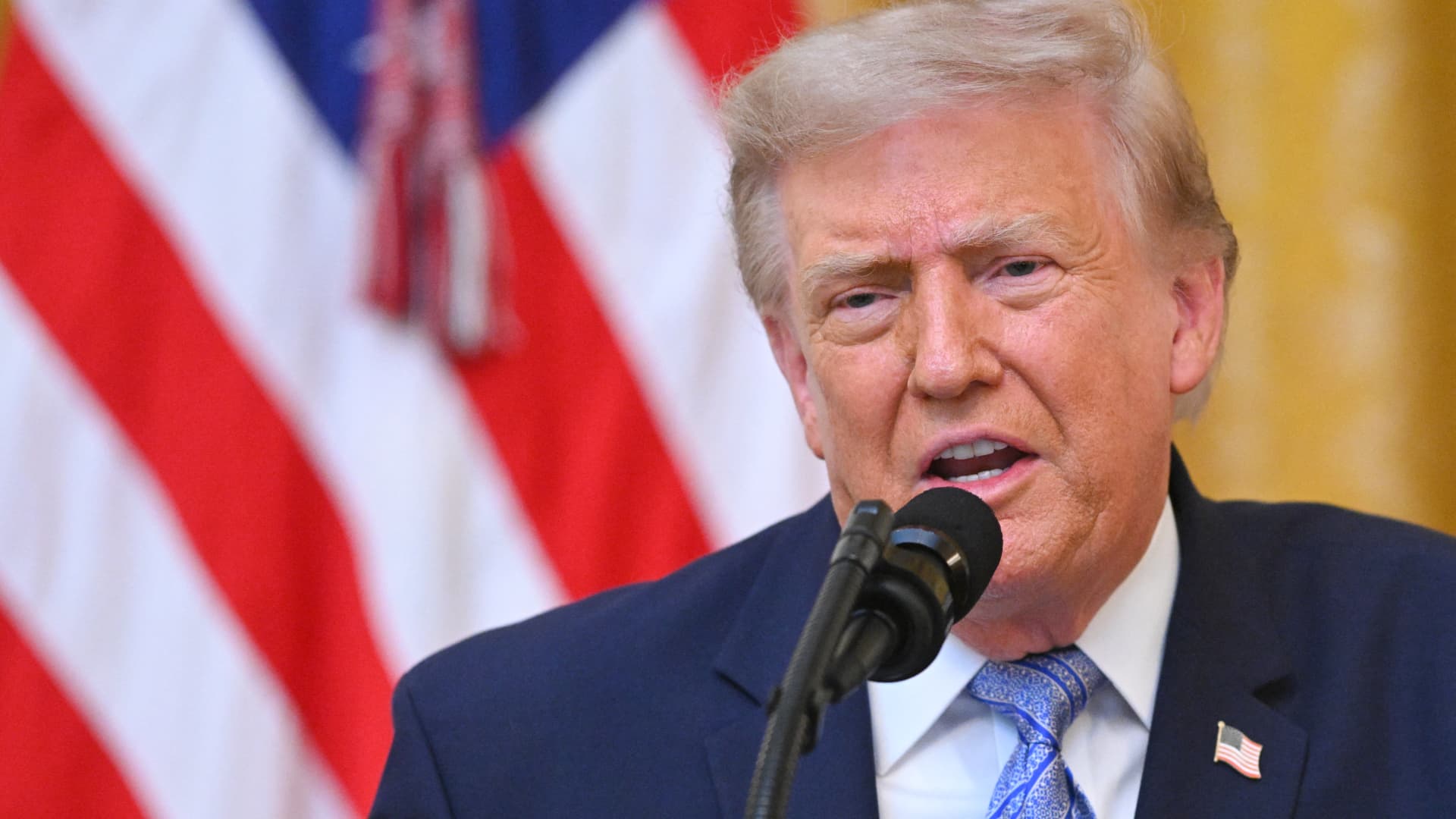
President Donald Trump’s plan to add steep tariffs to imported generic drugs could raise costs for makers of the low-price medicines that fill most U.S. prescriptions. For investors, the key question is whether companies can move enough production to the U.S. before the duties start, or whether thinner margins force tougher choices on pricing and product supply.
Trump said Tuesday on Truth Social that imported generic medicines would get a two-year tariff-free period. After that, duties would rise to 100% for one year, then to 200%, according to his post. The administration says the approach is meant to push more pharmaceutical manufacturing into the U.S.
Generic drugs are a major part of the health-care market. They make up about 90% of U.S. prescriptions, according to the Food and Drug Administration, but account for a smaller share of drug spending because they sell at lower prices than branded medicines.
Why generics face a different tariff problem
Branded drugmakers and generic manufacturers operate with very different economics. A branded drug usually has patent protection, meaning the company can sell it without direct copycat competition for a limited time after approval. That exclusivity often supports higher profit margins.
Generic companies usually enter after those patents expire. They often sell the same medicine as several rivals, which pushes competition toward price, scale and manufacturing efficiency. A tariff is a tax on an imported product, and in a low-margin business, that added cost can be difficult to absorb.
John Murphy III, president and CEO of the Association for Accessible Medicines, told CNBC in a statement that the industry needs more detail on the policy. He said generic drugmakers support policies that stabilize the industry and preserve patient access to affordable medicines.
Murphy also said the industry has grown its U.S. presence across the supply chain over the past two years, but argued that purchasing and reimbursement problems for many generic drugs continue to discourage more domestic production.
Costs, prices and supply are still open questions
Manufacturers hit by new duties would have a few basic options: pay the tariff, try to pass costs to customers, invest in U.S. production or stop selling products that no longer make economic sense.
Namit Joshi, chairman of India’s Pharmaceuticals Export Promotion Council, told Indian news agency ANI that building a domestic generic manufacturing system takes at least four to five years. That timeline suggests Trump’s two-year grace period may not be enough for some companies to shift production meaningfully. Joshi said Indian manufacturers work with thin margins and may have to pass on the tariff or leave the market.
Salil Kallianpur, an independent pharmaceutical consultant, told CNBC by email that a 100% to 200% tariff on a product with single-digit margins could push some companies out of the market. He said companies with U.S. manufacturing or more specialized portfolios may be better able to adapt, while commodity generic exporters without U.S. facilities face fewer clear options.
Whether consumers see higher medicine prices remains uncertain. The outcome depends on how the administration writes the rules and how companies respond. Many generic medicines sold in the U.S. are made in India, while China supplies many active pharmaceutical ingredients, the core chemical components used to make finished drugs.
Companies with U.S. plants may have an edge
Analysts at Jefferies and Citi told CNBC that Amphastar Pharmaceuticals, ANI Pharmaceuticals, Hikma and Fresenius Kabi appear better positioned because they have meaningful U.S. production.
Those analysts said Teva, Viatris and Apotex could have more exposure because a larger share of their U.S.-sold products is made overseas, though they cautioned that the final impact depends on policy details.
One major unresolved issue is whether tariffs would apply only to finished imported medicines or also to U.S.-made drugs that use imported active pharmaceutical ingredients. Sandoz told CNBC it is too early to judge the proposal because more information is needed on the measure’s scope and implementation.
Kallianpur said investors appear to view the two-year window as time to prepare rather than an immediate disruption. He told CNBC that the most important detail may be whether companies must have U.S. factories operating by the deadline, or whether showing projects are underway will be enough.
This story draws on original reporting from CNBC.


