Trump mail-in voting restrictions reach Supreme Court in emergency bid
The administration asked justices to let Trump enforce disputed mail ballot rules while states’ challenge continues.
By Theo Nakamura · Staff Writer
· 3 min read
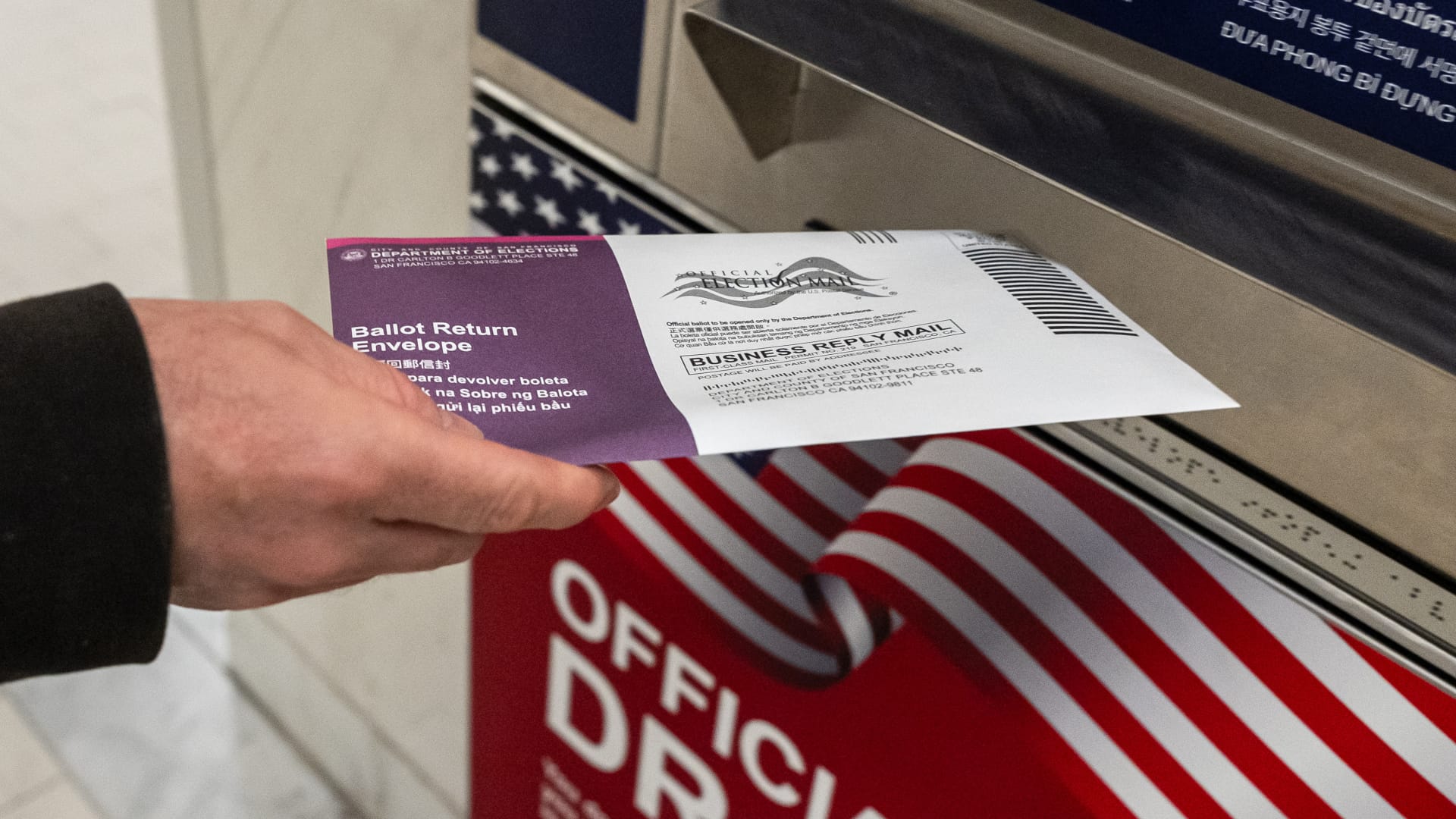
The Trump administration asked the Supreme Court on Monday to step into the fight over Trump mail-in voting restrictions, seeking permission to enforce parts of President Donald Trump’s March executive order while a lawsuit continues. The request matters for voters because the dispute centers on whether federal agencies can affect how mail ballots are handled ahead of the November midterm elections.
The filing was an emergency request, according to CNBC, and it came 99 days before the midterms. Emergency applications ask the justices to act quickly, often before lower courts have finished hearing the full case.
A federal appeals court had kept a lower-court block in place on Saturday in a 2-1 decision, CNBC reported. That order prevents major parts of Trump’s executive order from taking effect while the legal challenge proceeds.
What are Trump’s mail-in voting restrictions?
Trump’s March executive order directs federal agencies to create voter eligibility lists and limit U.S. Postal Service delivery of ballots that are not connected to those lists, according to CNBC. In plain terms, the order seeks to tie the handling of some mailed ballots to federal voter-list checks.
Mail-in voting lets voters send ballots through the mail instead of voting in person. Election rules for mailed ballots vary by state, including deadlines for when a ballot must be postmarked or received.
The legal fight is about power as much as process. The states challenging the order argue that Trump does not have the authority to set federal election rules for systems run by state and local election officials, CNBC reported.
State and local governments administer U.S. elections, including voter registration procedures, ballot collection and vote counting. The administration’s Supreme Court request asks the justices to allow enforcement of the disputed order while courts continue to weigh whether that federal action is lawful.
What did the appeals court decide?
The appeals court did not give the administration the immediate relief it sought. In a divided Saturday ruling, the court left intact an order blocking key provisions of the executive order, according to CNBC.
That meant the administration had to turn to the Supreme Court if it wanted those parts of the order to take effect before the lower-court case is resolved. The Supreme Court can grant or deny emergency relief, or set a different path for how the dispute proceeds.
The timing adds pressure to the case. CNBC reported that the request landed less than 100 days before the November midterm elections, when any change to mail-ballot procedures could affect election administration schedules.
The Supreme Court’s response will determine whether the blocked parts of Trump’s order stay paused for now or can be enforced while the underlying lawsuit continues.
This story draws on original reporting from CNBC.


