TSMC speeds Arizona chip buildout as AI demand drives spending
CFO Wendell Huang told CNBC the chipmaker is adding U.S. capacity as AI demand pushes capital spending higher.
By Maya Okafor · Markets Writer
· 3 min read
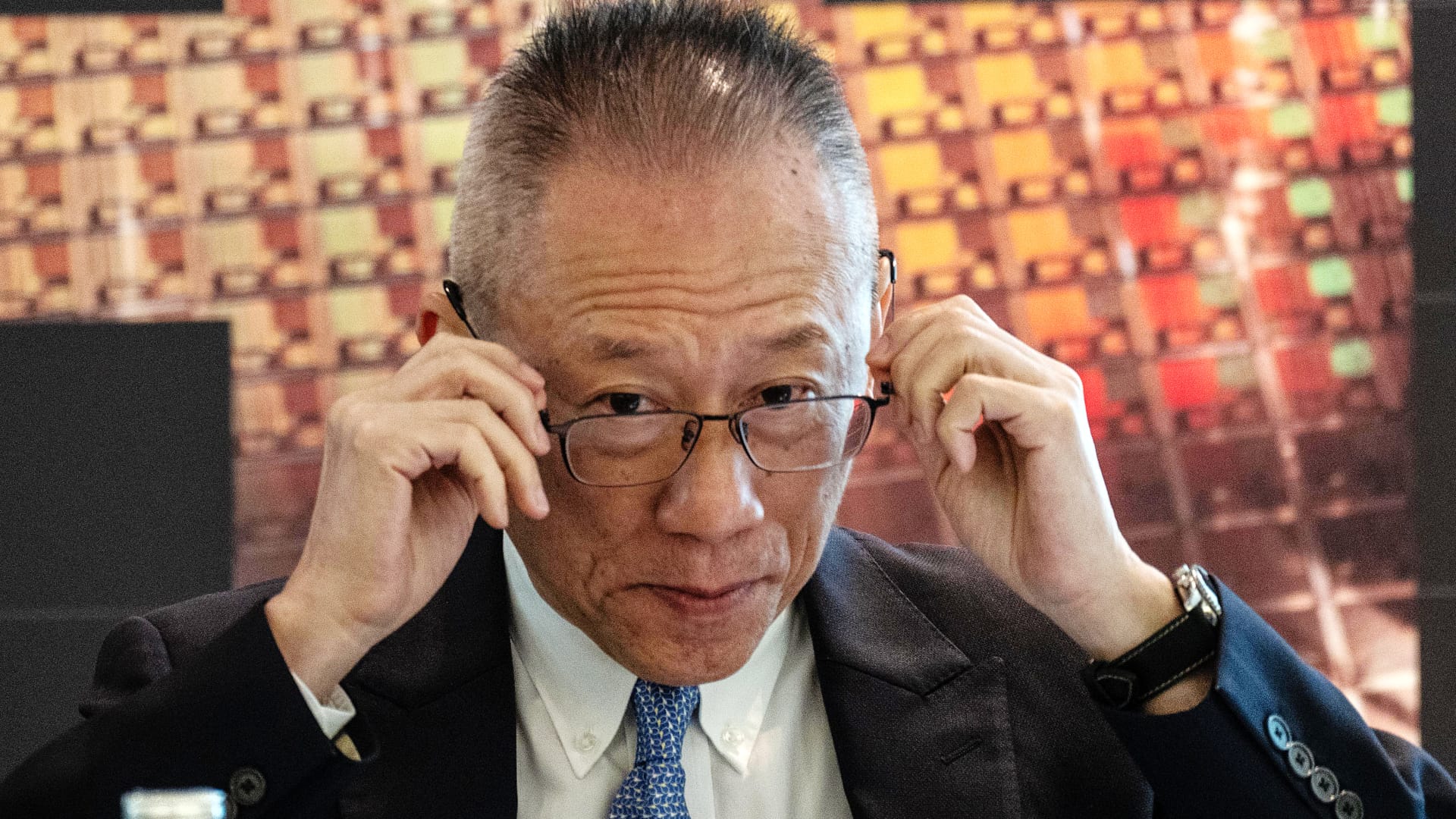
TSMC is moving faster on its Arizona expansion as artificial intelligence demand keeps pulling more advanced chips into data centers, Chief Financial Officer Wendell Huang told CNBC. For everyday investors, the key issue is whether that demand can support the company’s sharply higher spending plans while new U.S. factories carry higher costs.
Taiwan Semiconductor Manufacturing Co., the world’s leading contract chipmaker, is adding another $100 billion to its Arizona plans, CNBC reported. That brings the company’s total investment pipeline in the state to $265 billion and comes as TSMC raises its full-year capital expenditure forecast to between $60 billion and $64 billion.
Capital expenditure, or capex, is money a company spends on long-term assets such as factories and equipment. For a chipmaker, that spending can be especially heavy because advanced semiconductor plants, known as fabs, require costly clean rooms, lithography tools and years of buildout before they reach full production.
Huang told CNBC’s Emily Tan that TSMC is responding to strong U.S. customer demand and government support. He described demand as a multi-year structural trend and said the company wants to capture the opportunity while it remains profitable for shareholders.
Advanced chips remain the center of the story
TSMC is adjusting its leading-edge capacity to meet customer demand, Huang told CNBC. That includes converting some 5-nanometer production capacity to 3-nanometer technology.
The nanometer label refers to the scale of transistors, the tiny switches that sit on a chip. In general, a smaller node allows more transistors to fit on a semiconductor, which can improve performance and energy efficiency. Those gains are central to AI systems, which need large amounts of computing power.
Huang said the first phase of TSMC’s U.S. expansion, based on 4-nanometer technology, is already operating. He also pointed to 2-nanometer technology as the company’s newest revenue driver for the third quarter, after it began contributing revenue in the second quarter.
The Arizona expansion will include both front-end wafer fabs and back-end advanced packaging fabs, Huang told CNBC. Front-end manufacturing creates the chips on silicon wafers. Advanced packaging connects chips together in ways that can boost performance, a step that has become more important for AI hardware.
Higher U.S. costs are part of the tradeoff
Huang said building fabs in the U.S. costs four to five times as much as in Taiwan, according to CNBC. He added that the financial dilution from overseas operations will widen at first as TSMC scales outside Taiwan, while saying the investment should help build the U.S. semiconductor ecosystem.
TSMC shares rose more than 1% after the company reported earnings, CNBC said, but fell 7% on Friday. The stock is still up about 48% year to date.
Asked about the share-price moves, Huang told CNBC that TSMC does not control financial markets and is focused on the fundamentals of its business. He said the company sees limited impact from higher component prices because it is focused on the high-end market.
CNBC also reported that TSMC sees the impact from Middle East conflicts as manageable because it uses diversified sourcing and maintains safety stocks, meaning extra inventory held to reduce supply disruptions.
On China, Huang said TSMC continues to comply with export controls while serving Chinese customers, who account for about 8% of revenue, according to CNBC. He also said the company’s joint venture with Sony for image sensors fits into its long-term push in specialty technologies tied to future growth areas such as physical AI.
This story draws on original reporting from CNBC.


