Ukraine officials fear the toughest winter of the full-scale war
Ukraine is protecting energy sites and restoring capacity, but repeat Russian strikes and repair bottlenecks raise risks for winter.
By Theo Nakamura · Staff Writer
· 3 min read
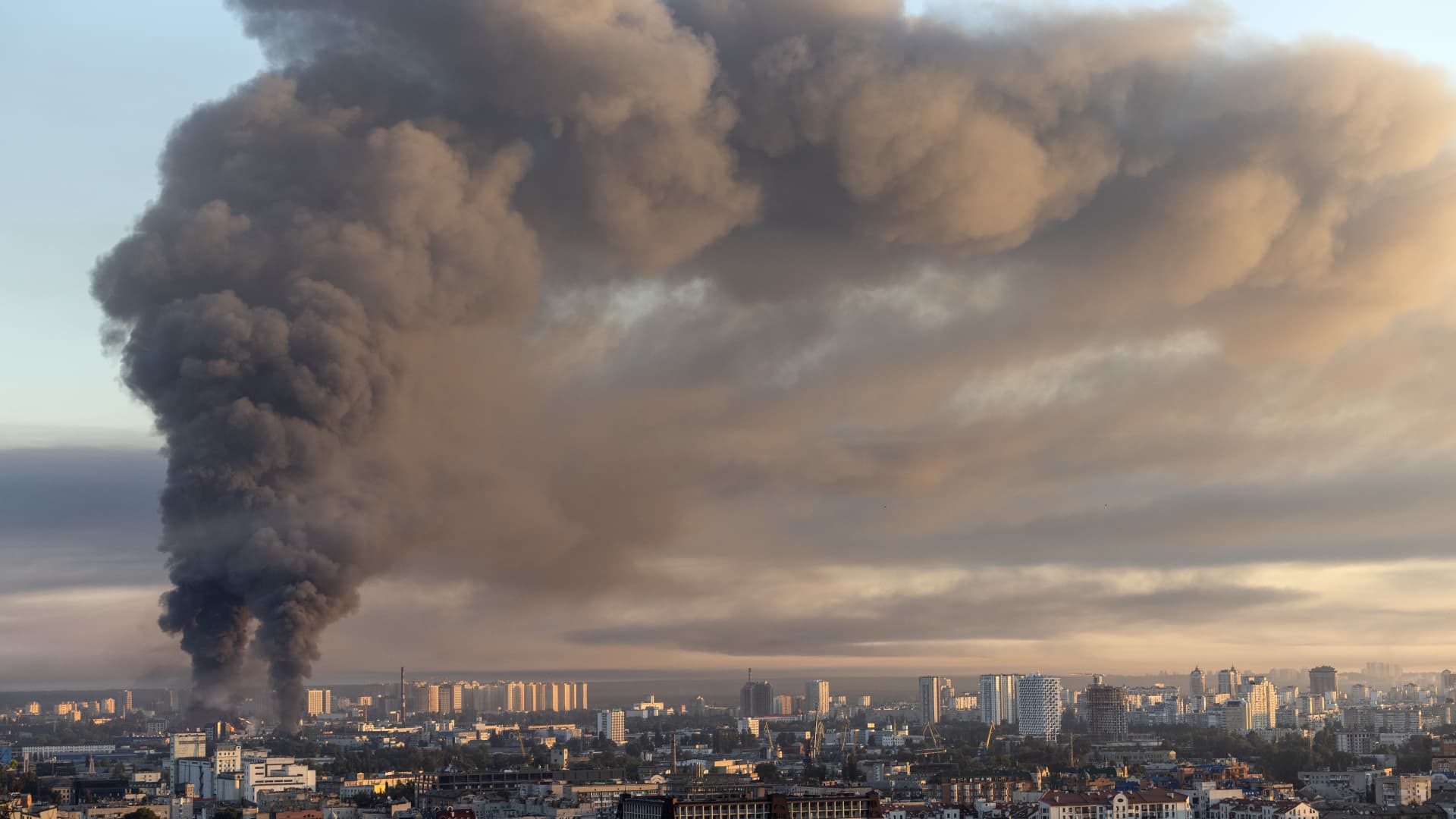
Ukraine’s toughest winter 2026 is a risk officials, security specialists and a drone-industry executive are preparing for, rather than an outcome already known. The concern for households is whether heat and electricity systems can keep operating through the next heating season if Russia continues attacking energy infrastructure and cities, while air-defense and repair resources remain strained.
CNBC reported that Russian forces had increased missile strikes on Ukrainian cities in recent weeks, in what it described as a likely effort to exploit Kyiv’s shortage of ballistic-missile interceptors. Ukraine relies heavily on the U.S. Patriot PAC-3 system to intercept Russian ballistic missiles, according to CNBC.
Iryna Terekh, chief executive of Ukrainian drone maker Fire Point, told CNBC the previous winter had been hard for Ukraine’s large cities and assessed that the coming one could be harder. She also said developing domestic antimissile capabilities cannot be compressed from a process that normally takes decades into a few months before winter.
Why could Ukraine face its toughest winter?
The test has three parts: protecting infrastructure from strikes, keeping the energy system operating when facilities are damaged, and restoring equipment before further attacks erode the available buffer. A July policy brief from the Danish Institute for International Studies, or DIIS, said the central issue is whether damaged assets can be returned to service faster than Russia can disable them.
DIIS said Russian attacks since October 2025 had damaged more than 9 gigawatts of thermal, combined heat-and-power and hydropower generating capacity. More than 4 GW had been restored by early April 2026, it said. By late June, planning focused on restoring about 6 GW ahead of the 2026-27 heating season. DIIS said the damaged capacity equaled about half of an 18 GW severe-winter peak-demand benchmark, and stressed that its figures exclude damage to transmission and distribution systems.
Those restoration totals are only one measure of readiness. DIIS said air defense and passive protection can reduce successful strikes. Grid operators can also use rerouting, imports and demand management to limit disruption. Those measures are buffers, however, and do not replace damaged infrastructure or resolve delays in obtaining and installing replacement equipment.
According to DIIS, recovery is constrained by scarce equipment, long manufacturing and procurement cycles, compatibility issues, wartime logistics and shortages of skilled workers. The institute said Ukraine’s system has continued operating through domestic adaptation, inherited system redundancy and international support, but cumulative damage and depleted stocks have reduced its margin for resilience.
What is Ukraine doing before the heating season?
Ukraine is strengthening defenses around energy infrastructure and building reserves of heat and electricity, CNBC reported. The country is also seeking additional European funding and trying to put together a winter aid package.
Serhii Kuzan, chairman of the Kyiv-based Ukrainian Security and Cooperation Center, told CNBC that some personnel changes in President Volodymyr Zelenskyy’s government reshuffle appeared linked to winter preparations. Kuzan said the remade cabinet’s task was to improve coordination and prepare energy and security infrastructure for cold weather.
The warning has historical precedent. In October 2024, NATO Secretary General Mark Rutte said Ukraine could face its toughest winter since the February 2022 full-scale invasion because Moscow was attacking critical energy infrastructure. That earlier assessment underscores the recurring nature of the threat; it does not establish how the coming season will unfold.
For now, Ukraine’s winter outlook depends on the pace of attacks, the protection available for critical sites and whether repairs can keep pace, DIIS said.
This story draws on original reporting from CNBC.


