UnitedHealth lifts profit outlook as cost controls boost quarter
UnitedHealth beat Wall Street’s second-quarter estimates and raised its 2026 earnings target while warning medical costs remain high.
By Jordan Bell · Startups & Deals Reporter
· 3 min read
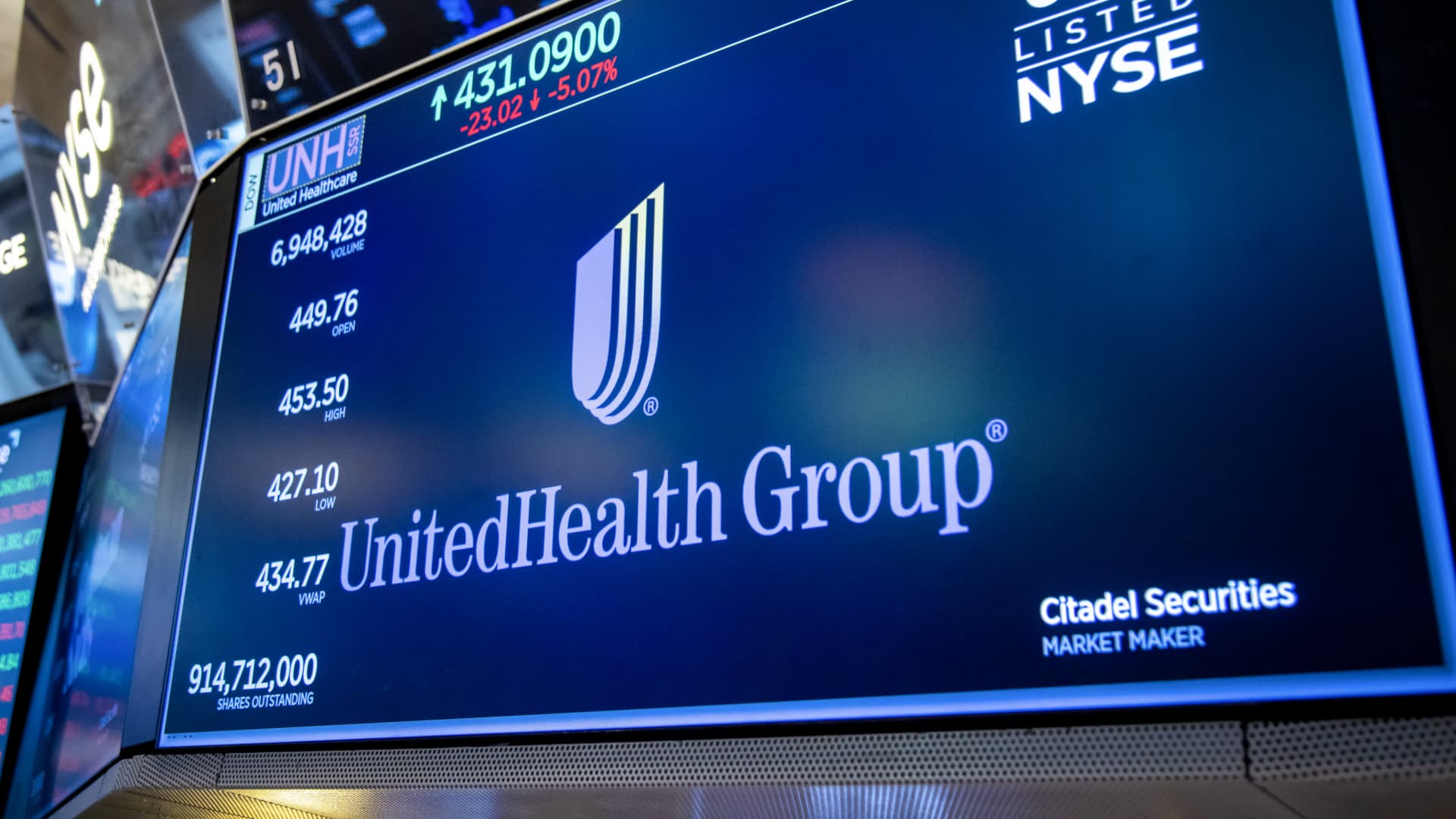
UnitedHealth Group raised its 2026 profit outlook after a second quarter that came in ahead of Wall Street expectations. For everyday investors, the report points to progress on the cost problem that has weighed on health insurers for more than two years.
The company said Thursday it now expects adjusted earnings of $19.50 to $20 per share for 2026. Its previous forecast was for more than $18.25 per share. Adjusted earnings exclude certain items that can make quarter-to-quarter comparisons harder, such as restructuring costs and divestitures.
UnitedHealth kept its full-year revenue forecast at more than $439 billion. Chief Financial Officer Wayne DeVeydt told CNBC he expects the company to “do better than that” after the second-quarter beat.
The quarter topped analyst estimates
UnitedHealth reported adjusted earnings of $6.38 per share for the second quarter, above the $4.90 analysts expected in an LSEG survey. Revenue was $112.03 billion, compared with the $110.85 billion analysts expected, according to LSEG.
Net income rose to $5.48 billion, or $6.04 per share, from $3.41 billion, or $3.74 per share, in the same quarter a year earlier. Revenue increased from $111.62 billion a year ago.
Both UnitedHealthcare, the company’s insurance arm, and Optum, its health-care services unit, exceeded analysts’ sales estimates, according to StreetAccount.
Medical costs are still the main issue
DeVeydt told CNBC that medical costs were still “elevated over historical levels.” He said the quarter did not show that the broader cost trend had been solved, and instead reflected UnitedHealth’s efforts to bring down costs that are already high.
One key metric improved. UnitedHealth’s medical benefit ratio was 86.7% in the quarter, down from 89.4% a year earlier and better than the 88.5% analysts expected, according to StreetAccount. The medical benefit ratio measures how much of premium revenue an insurer spends on medical care. A lower ratio usually means the company is keeping more premium dollars after paying claims, which can support profit margins.
Insurers have been under pressure as more people seek care they delayed after the pandemic. CNBC also reported that high-cost specialty drugs, including GLP-1 medicines, have added to the strain, especially for companies running Medicare Advantage plans.
UnitedHealth is cutting exposure and investing in AI
UnitedHealth is trying to stabilize margins by reducing membership, leaving unprofitable contracts and investing $1.5 billion in artificial intelligence, according to the company. AI refers to software systems that can analyze data and automate tasks that previously required more manual work.
DeVeydt told CNBC the company is using AI to speed up processes such as prior authorization and to improve payment accuracy by finding possible fraud, waste and abuse. He said AI tools are not deciding whether care is approved or denied.
UnitedHealthcare served 48.5 million people in the second quarter, down 525,000 from the prior quarter. DeVeydt attributed the drop largely to affordability pressure from higher health-care costs. He forecast a loss of about 500,000 exchange members and 1.1 million Medicare Advantage members in 2026.
The company said higher prices are helping offset lower enrollment, keeping revenue stable. DeVeydt told CNBC that dynamic “is not a good thing for the system long term.”
DeVeydt described the company’s turnaround as a “multi-year journey.” He also said UnitedHealth had no update on Department of Justice investigations into its Medicare billing practices, which the company disclosed about a year ago, and said it remains “supportive” of the probe.
This story draws on original reporting from CNBC.