US GDP Q2 2026 slows to 1.5% as core inflation hits 3.3%
The U.S. economy grew at a 1.5% annualized pace in Q2, below expectations, while June core PCE inflation came in at 3.3%.
By Theo Nakamura · Staff Writer
· 3 min read
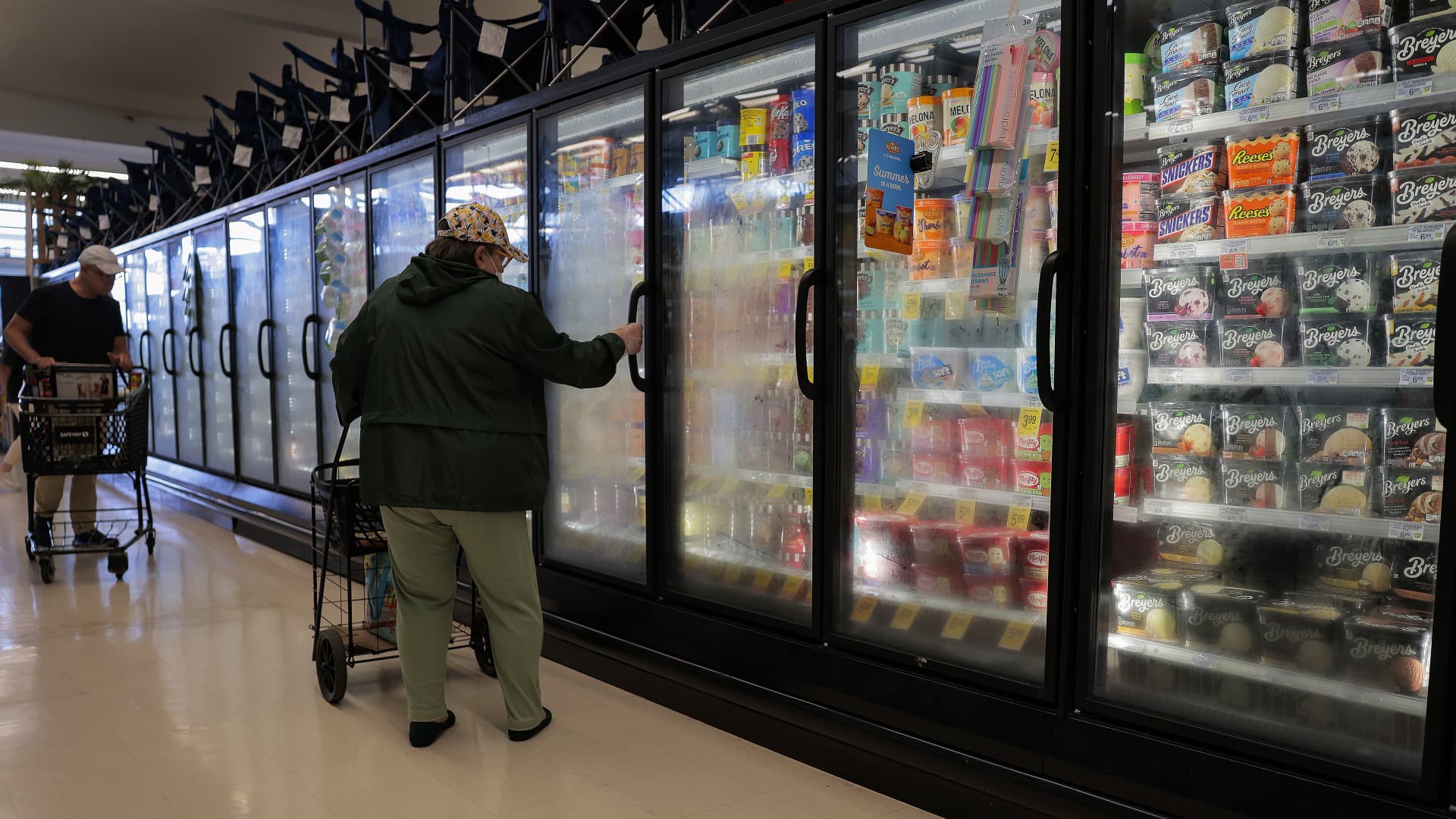
US GDP Q2 2026 growth slowed to a 1.5% annualized rate, CNBC reported, a softer reading than economists had expected and a fresh signal that the economy lost speed in the spring. June core inflation, measured by the personal consumption expenditures price index excluding food and energy, was 3.3%, according to CNBC.
For everyday investors, the combination matters because growth and inflation sit at the center of how markets judge interest rates, earnings, and consumer demand. A cooler growth number can point to less economic momentum, while sticky inflation can keep pressure on the Federal Reserve as it weighs borrowing costs.
According to the Dow Jones consensus cited by CNBC, economists had expected gross domestic product to rise at a 1.8% annualized rate. The reported 1.5% pace came in below that forecast.
Gross domestic product, or GDP, is the broadest scorecard for the economy’s output. The annualized rate shows how fast the economy would grow over a full year if the quarter’s pace continued.
What does a 1.5% GDP growth rate mean?
A 1.5% annualized GDP growth rate means the U.S. economy expanded during the second quarter, but at a slower pace than economists surveyed by Dow Jones had projected. It does not mean the economy shrank; it means growth was positive but weaker than the 1.8% consensus estimate.
Markets tend to watch GDP for clues about company revenue, hiring conditions, and household spending power. Slower growth can weigh on cyclical businesses that depend heavily on consumer and business activity, though the effect varies by sector and company.
How did inflation compare with expectations?
CNBC reported that June core PCE inflation was 3.3%. The Dow Jones consensus had also called for a 3.3% increase in core PCE from a year earlier, meaning the core reading matched economists’ forecast.
The headline PCE price index, which includes food and energy, had been expected to rise 3.7% from a year earlier, according to the Dow Jones consensus cited by CNBC. The reported details available did not include the actual headline PCE result.
The PCE price index is a key inflation gauge because it tracks price changes across consumer spending. The core version strips out food and energy, which can swing sharply from month to month, giving investors and policymakers a cleaner look at underlying price pressure.
The data arrived shortly after the Federal Reserve left interest rates unchanged, according to CNBC’s broader market coverage. Investors typically compare growth and inflation data with Fed policy because interest rates affect borrowing costs, bond yields, stock valuations, and the cost of carrying debt.
CNBC described the report as breaking news. Additional details could sharpen the picture around which parts of the economy drove the slowdown and how broad inflation pressures were in June.
This story draws on original reporting from CNBC.


