U.S. hits Iranian targets as Hormuz port blockade resumes
CENTCOM said the strikes targeted systems used against commercial ships, while Trump dropped a proposed 20% Strait of Hormuz cargo fee.
By Theo Nakamura · Staff Writer
· 3 min read
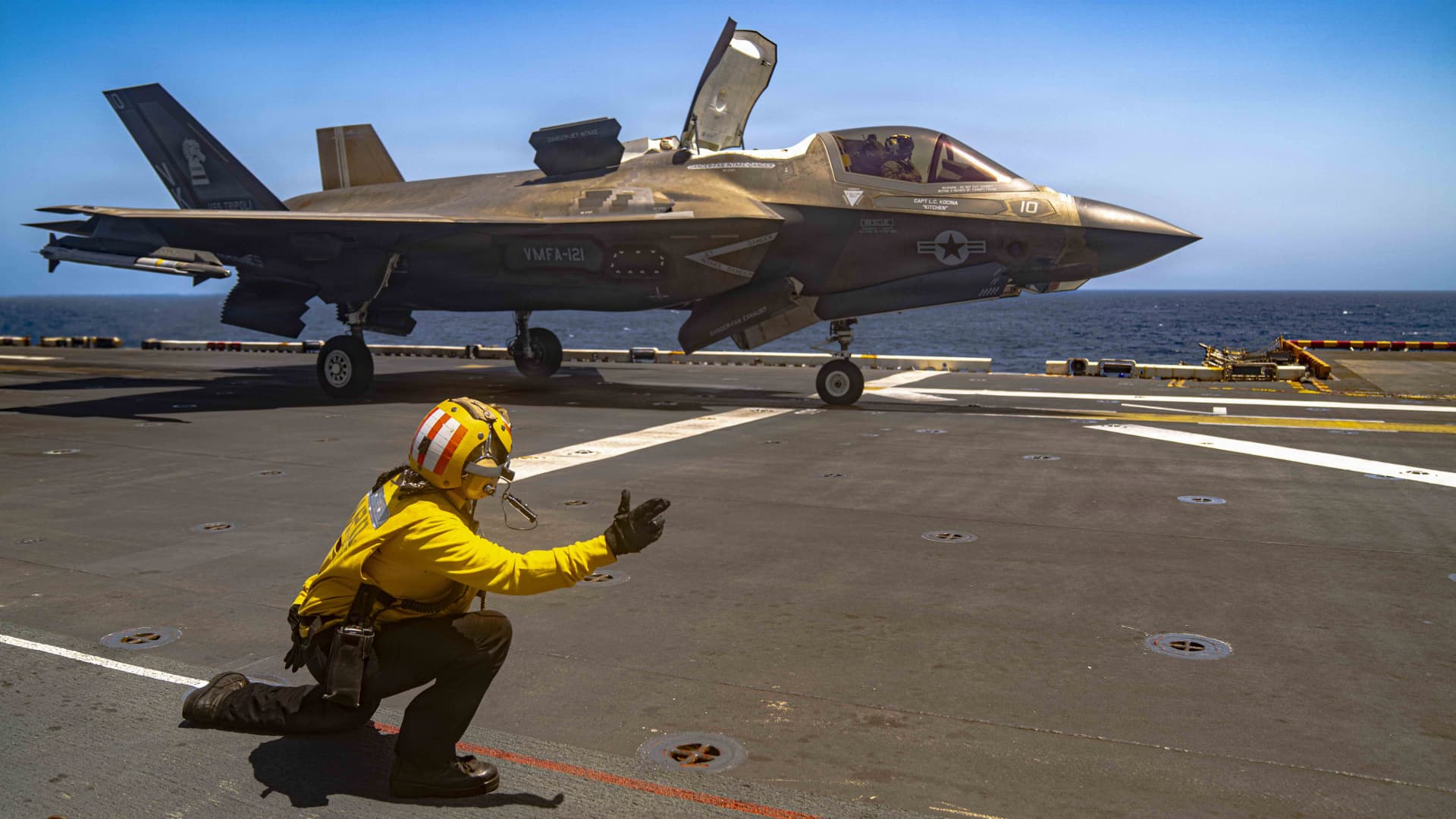
U.S. forces struck Iranian targets Tuesday shortly before Washington restarted a naval blockade of Iranian ports near the Strait of Hormuz, according to U.S. Central Command. For everyday investors, the flashpoint is energy: the strait is a key oil route, and disruptions there can feed quickly into crude prices, shipping costs and inflation expectations.
CENTCOM said the strikes began at 3 p.m. ET and were intended to reduce Iranian capabilities used to attack commercial vessels in the waterway. The U.S. said its blockade in the Gulf of Oman would resume at 4 p.m. ET.
Brad Cooper, the CENTCOM commander, said in a social media statement later Tuesday that Iran had “intentionally” targeted civilians and attacked seven commercial ships over the prior seven days. He said those incidents left about a dozen crew members dead, missing or injured.
Why Hormuz is in focus
The Strait of Hormuz is a narrow passage between the Persian Gulf and the Gulf of Oman. Before the U.S. and Israel began the war against Iran in late February, about 20% of global oil moved through it, according to CNBC.
A naval blockade restricts ships from entering or leaving designated ports or waters. In this case, the U.S. is using naval pressure around Iranian ports in and near the strait. That matters for markets because oil traders watch not only actual supply losses, but also the risk that tankers, insurers or shipping companies avoid the route.
Commercial traffic through the waterway had remained far below prewar levels even during a temporary ceasefire, and it fell sharply in recent days, according to ship-tracking firms cited by CNBC.
The U.S. had lifted the blockade after Washington and Tehran reached a temporary ceasefire under a 14-point memorandum of understanding last month. President Donald Trump declared that truce “over” last week after renewed hostilities in the region and mutual accusations that the deal had been violated.
Trump said Monday that the U.S. would bring back the blockade, as Iranian efforts to exert control over the strait appeared to intensify after the ceasefire weakened.
Sanctions and the dropped toll plan
The U.S. Treasury added pressure Tuesday with new sanctions against what it called the “illicit shipping empire” of Mohammad Hossein Shamkhani. Treasury described the network as “a major enabler behind Iran’s oil exports.” Sanctions are financial restrictions that can freeze assets, limit access to the U.S. financial system and discourage companies from doing business with targeted people or entities.
Trump also used Truth Social to say the Strait of Hormuz was open and would stay open “with or without Iran.” In the same post, he said the U.S. would seek reimbursement “at the rate of 20% on all cargo shipped” through the strait.
Energy experts and shipping industry groups quickly criticized the idea, including the United Nations’ International Maritime Organization. Critics also pointed to recent comments from Trump administration officials who had said it would be illegal for a country to charge tolls on an international waterway.
Trump reversed that proposal Tuesday morning, saying on Truth Social that he would replace the planned toll with “Trade and Investment Deals” from Gulf states into the United States.
Speaking later at the White House, Trump said world leaders had called and told him they wanted another approach. He said he had spoken with Saudi Arabia, the United Arab Emirates, Qatar, Bahrain, Kuwait and others. None of those countries had announced new U.S. investment plans this week, according to CNBC.
This story draws on original reporting from CNBC.