U.S.-Iran Hormuz deal remains unconfirmed as Tehran cites commitments
An Iranian official said Washington was ready to return to unspecified commitments, while Tehran denied direct talks and described Hormuz work as unfinished.
By Theo Nakamura · Staff Writer
· 3 min read
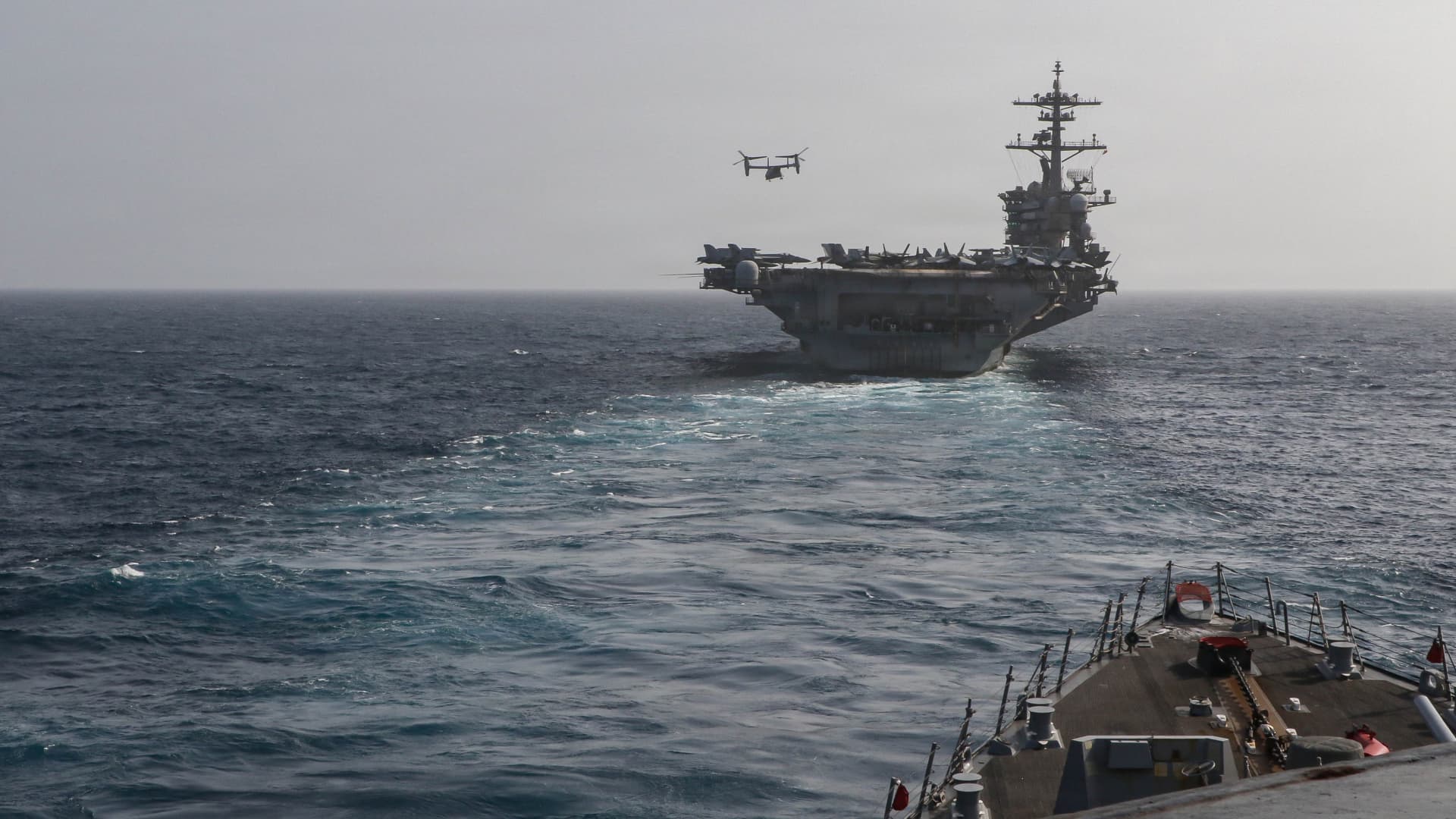
A U.S.-Iran Hormuz deal had not been confirmed as Iran signaled possible movement but denied direct negotiations with Washington. For investors watching energy and shipping headlines, the distinction is significant: officials described draft work and expectations, rather than a completed agreement.
Iranian Deputy Foreign Minister Kazem Gharibadadi said the United States was ready to “return to commitments” in comments to state broadcaster IRNA, according to CNBC. He did not say which commitments he meant. Gharibadadi also said that Iran’s path of understanding was with Oman and that no negotiations with the U.S. had occurred during this period.
CNBC reported that the remarks may refer to an interim understanding reached in June, though Gharibadadi did not make that link himself. Under CNBC’s account of a June 17 memorandum of understanding, Iran was to permit commercial vessels to use the Strait of Hormuz without charge for 60 days. The U.S., in exchange, was to lift its naval blockade of Iranian ships, among other commitments.
Has a U.S.-Iran Hormuz deal been reached?
There was no confirmation in the available statements that a new agreement had been finalized. Iran’s Foreign Ministry spokesperson, Esmail Bagahei, said an Iran-Oman joint statement concerning the strait was in its final review and drafting phase, provided third parties did not interfere, CNBC reported.
That leaves a gap between the diplomatic signals from Tehran and Washington. President Donald Trump said Monday that peace talks were taking place, whether Iran acknowledged them or not. Treasury Secretary Scott Bessent told CNBC that an agreement to open the waterway could be reached by Wednesday. Those remarks were projections, not an announcement of a signed deal.
The uncertainty also applies to shipping conditions. U.S. Central Command said Tuesday that a southern route through the strait remained open to commercial vessels. CNBC said that passage runs through Omani territorial waters, rather than waters closer to Iran. The U.K. Maritime Trade Organisation separately received reports of explosions near tankers off Yemen and Oman on Wednesday, according to CNBC, underscoring continuing reports of hazards for vessels in the area.
The operational status of the strait matters well beyond the immediate diplomacy. The U.S. Energy Information Administration said oil flows through Hormuz averaged 20 million barrels a day in 2024, equal to about 20% of global petroleum-liquids consumption. Around one-fifth of worldwide liquefied natural gas trade also passed through it that year, the agency said.
For now, the clearest takeaway is that Iranian officials have described unfinished Iran-Oman work and an unspecified U.S. readiness to return to commitments. Neither side’s public account establishes that direct talks are underway or that a broader reopening agreement is complete.
This story draws on original reporting from CNBC.


