U.S.-Iran strikes put Strait of Hormuz back at center of oil risk
U.S. and Iranian forces traded attacks as both sides gave conflicting accounts on whether the key oil route remains open.
By Jordan Bell · Startups & Deals Reporter
· 3 min read
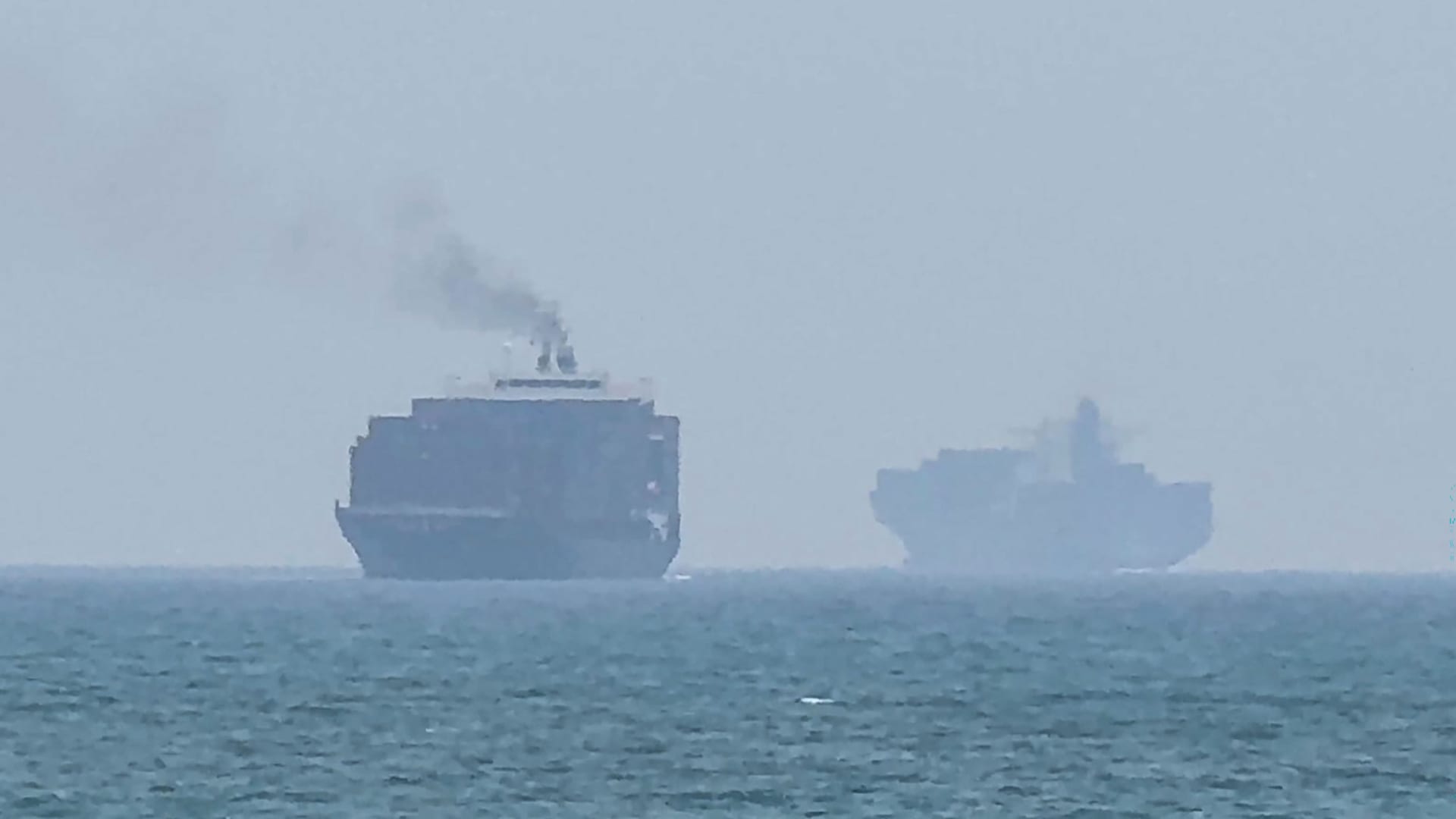
U.S. and Iranian forces traded strikes over the weekend, pushing the Strait of Hormuz back into the center of global market risk. For everyday investors, the immediate pressure point is oil: the narrow waterway between Iran and Oman typically carries about 20% of the world’s oil traffic, according to CNBC.
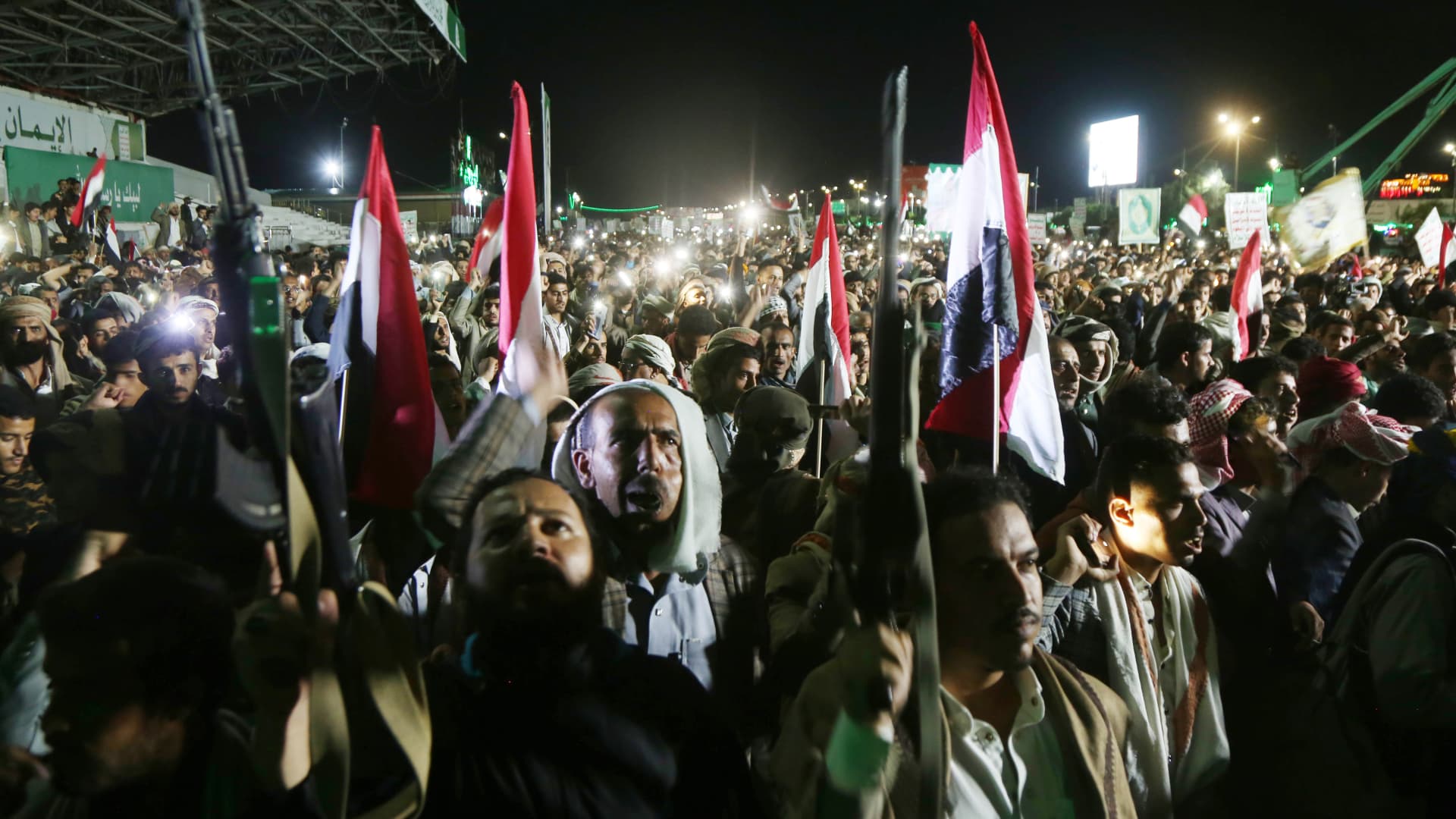
Iranian state media said Iran attacked American military bases in Kuwait, Bahrain, Jordan, Oman and Qatar in response to renewed U.S. strikes. U.S. Central Command said Sunday that American forces hit dozens of targets across multiple sites to reduce Tehran’s ability to attack ships moving through the Strait of Hormuz.
The two countries also gave conflicting accounts of whether the strait remains open to commercial shipping. That uncertainty helped push crude prices higher Monday morning, as traders priced in a greater risk that oil shipments could be delayed or blocked.
What each side says happened
U.S. Central Command said American forces struck Iranian military air-defense systems, coastal radar locations, missile and drone capabilities, and small boats. The command said the operation used U.S. fighter aircraft, naval vessels, one-way attack aerial drones and one-way attack sea drones, with sea drones used in that role for the first time.
Iran’s Islamic Revolutionary Guard Corps said it targeted U.S. military facilities in Bahrain and radar systems in Oman, Reuters reported. Reuters also reported that sirens sounded in Bahrain for the third time on Monday, citing the country’s interior ministry.
Iranian state media described the attacks on U.S. bases as retaliation for American bombings. U.S. Central Command framed its strikes as an effort to degrade Iran’s ability to continue attacks on vessels in the strait.
Why the strait matters to markets
The Strait of Hormuz is known as an energy choke point, meaning a narrow route where a disruption can affect a large amount of global supply. CNBC reported that the waterway normally handles roughly one-fifth of global oil traffic.
Oil prices rose Monday as the exchange of attacks raised fears about shipments through the strait. CNBC reported that Brent crude futures for September delivery climbed 4% to $79.02 a barrel, while U.S. West Texas Intermediate futures for August delivery rose 4.1% to $74.27.
Brent is the main international oil benchmark, while West Texas Intermediate is the key U.S. benchmark. When traders expect supply to become harder to move, futures prices can rise because buyers may have to pay more to secure barrels later.
Peace deal under strain
The fighting has increased doubts around an interim peace agreement signed last month, CNBC reported. That deal was intended to help reopen the Strait of Hormuz and end the war after 60 days of negotiations.
Iranian parliament speaker Mohammad Bagher Ghalibaf posted Sunday on social media: “The era of one-sided deals is OVER. We told you: keep your word or pay the price. Reality is knocking.” CNBC reported that the post appeared alongside an image of Article 5 of the U.S.-Iran memorandum of understanding, which relates to reopening the strait.
President Donald Trump said Friday that the U.S. and Iran had agreed to continue peace talks, CNBC reported. He also said the ceasefire created under last month’s peace deal had been scrapped.
For markets, the core issue is whether the fighting stays limited or keeps threatening one of the world’s most important oil routes. The confirmed facts so far point to a more dangerous standoff, with oil prices already reacting to the risk of disruption.
This story draws on original reporting from CNBC.