U.S.-Japan yen intervention rally fades as policy returns to focus
The yen gave back nearly half its post-intervention gain, shifting attention to Bank of Japan rates and the U.S.-Japan yield gap.
By Theo Nakamura · Staff Writer
· 3 min read
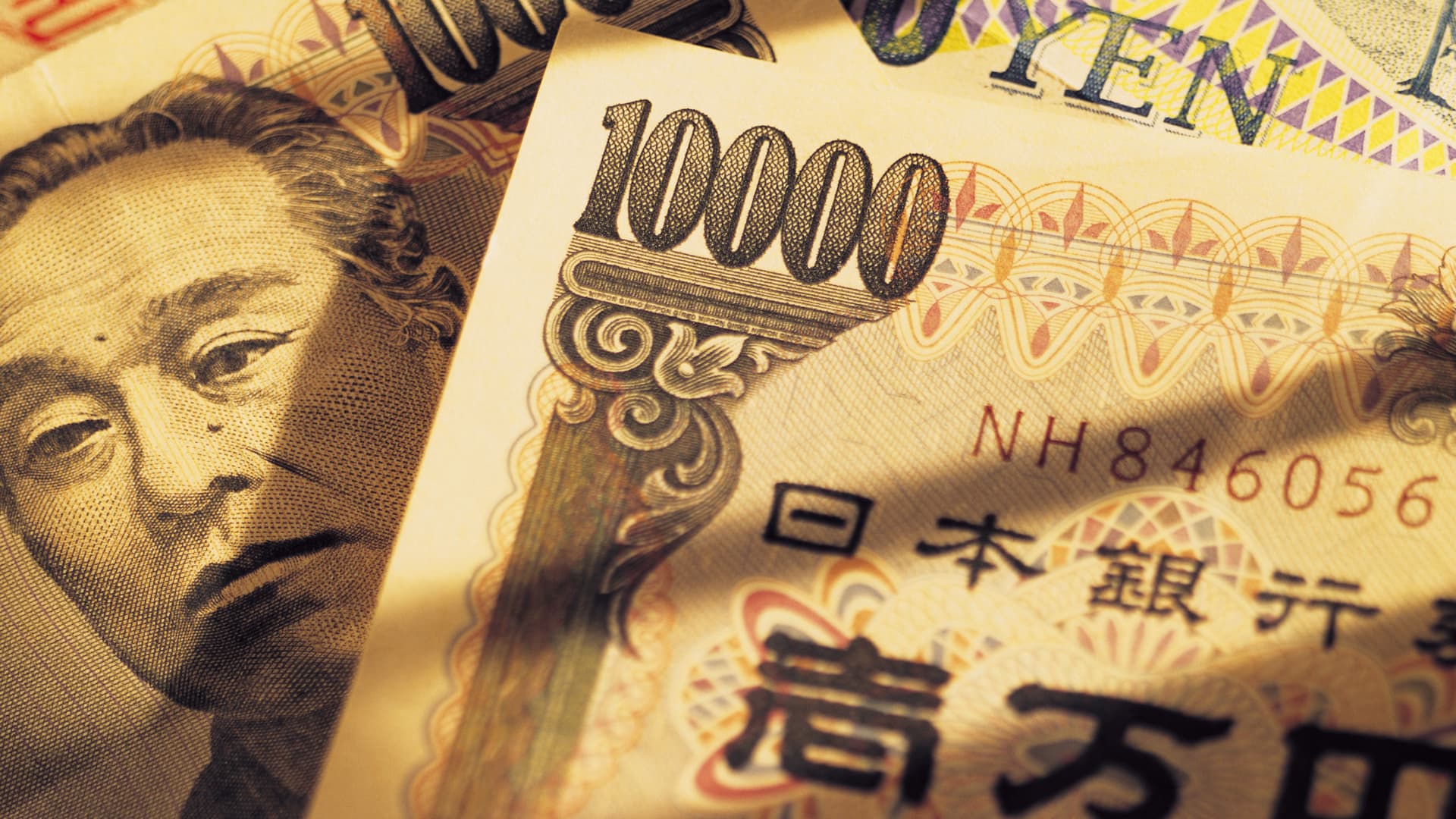
The U.S.-Japan yen intervention delivered a sharp initial move, but much of it had faded within a week. The yen strengthened to roughly 155 per dollar from above 163 after the countries bought yen together, then weakened back to about 158.4 to 158.5 on Aug. 7, according to CNBC and Bloomberg reporting carried by The Edge.
For investors, the reversal shows why currency headlines can turn quickly. In a dollar-yen quote, a lower number means the yen is stronger because fewer yen are needed to buy one dollar. The initial move from about 163 to 155 marked a stronger yen; the rise back toward 158.5 gave up nearly half that gain.
The operation was the first joint U.S.-Japan yen-buying intervention since 1998, CNBC reported. That distinction matters: the two countries also took coordinated currency action in 2011, but that effort was intended to weaken the yen after Japan’s earthquake.
Why did the yen rally fade after U.S.-Japan intervention?
The intervention signaled official resolve and may have forced traders to reassess bets against the yen. Robert Sockin, PGIM’s chief U.S. economist, said the action could squeeze short-yen positions in the near term, but he was skeptical it could reverse the currency’s broader weakening trend on its own, CNBC reported.
Treasury Secretary Scott Bessent made a similar distinction in a CNBC interview, saying intervention can send a market signal but that policy determines the currency’s direction. Bank of America said the central banks appeared to be targeting a break below 155 yen per dollar, though that level held only briefly, according to CNBC.
Analysts cited by Reuters and Business Insider pointed to the gap between U.S. and Japanese interest rates as a central issue. Higher U.S. rates can make dollar assets comparatively more attractive, while cheap borrowing in yen can still support yen-funded investments elsewhere. A Bank of Japan rate increase could narrow that gap, though the BOJ held rates steady at its prior meeting and only signaled room to raise rates as soon as September, Reuters reported.
What are markets watching now?
- Bank of Japan policy: Reuters reported that Bessent called for further BOJ rate increases, while Japan’s currency diplomat said currency policy would be aligned with the central bank’s monetary policy.
- U.S. rates and Treasury yields: Dollar-yen traders are also watching U.S. yields and Federal Reserve expectations, which influence the relative appeal of dollar and yen assets.
- Further intervention: Japan’s finance minister said authorities would not hesitate to conduct another coordinated operation, Reuters reported. That is a warning to markets, not a commitment to act at a particular exchange rate.
Officials also highlighted the Federal Reserve’s standing FIMA repo facility, which lets foreign central banks obtain temporary dollar liquidity without selling Treasurys outright. Japan’s Finance Ministry said it planned to use the facility for future interventions, CNBC reported. Analysts said the tool could potentially reduce pressure on Treasury markets if Japan needs dollar liquidity.
Reuters said central-bank data indicated Japan may have spent as much as $36.58 billion buying yen in the Friday joint operation, an estimate rather than a confirmed total. The market’s larger question is whether policy changes will follow. Analysts cited by CNBC and Reuters said more durable yen strength would likely require supportive shifts in Japan’s monetary and fiscal conditions, rather than intervention alone.
This story draws on original reporting from CNBC.