U.S.-Japan yen intervention used euros in reported Treasury trade
The U.S.-Japan yen intervention reportedly used euros to buy yen, a choice analysts linked to Treasury-market concerns.
By Theo Nakamura · Staff Writer
· 3 min read
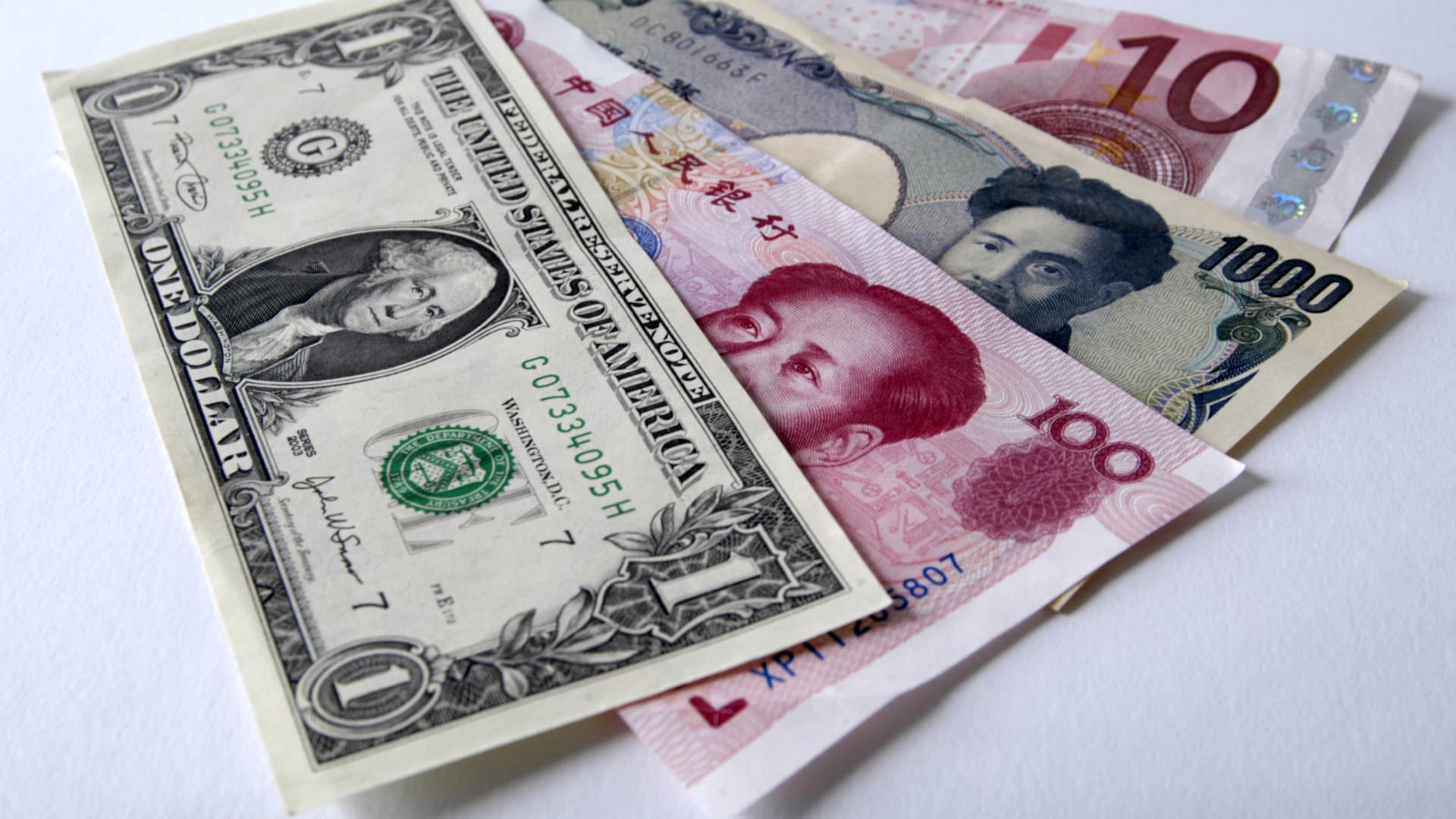
The U.S.-Japan yen intervention is drawing attention for more than its rare coordination. Japan’s finance ministry said Monday that Tokyo and Washington had jointly bought yen and remained prepared to act again, Reuters reported, after the Japanese currency approached levels last seen roughly four decades ago.
For investors watching currency markets, the unusual detail is how the U.S. side reportedly funded its purchase. The Financial Times, cited by Reuters and CNBC, reported that the Federal Reserve Bank of New York sold euros for yen on the Treasury’s behalf through Goldman Sachs and Morgan Stanley. That account has not been confirmed by the Treasury or the New York Fed: Reuters said neither immediately responded to requests for comment, while Goldman Sachs declined comment.
Selling euros for yen supports the yen, but it also means selling euros into the market rather than directly selling dollars. CNBC reported that the euro rose as high as $1.1558 on Monday, its strongest level in almost two months. Reuters put the intraday high at $1.1559.
Why did the U.S.-Japan yen intervention reportedly use euros?
Analysts and industry veterans told CNBC that the reported structure may reflect concern about strain in the U.S. Treasury market, rather than a confirmed explanation from U.S. officials. Louise Loo, head of Asia economics at Oxford Economics, said limiting the risk that Japan might need to sell large amounts of Treasurys to finance an intervention was “possibly” a key reason for U.S. participation.
Japan is the largest foreign holder of U.S. government debt, according to CNBC. The concern described by analysts is that a large unilateral yen-support operation could require Japan to turn dollar assets into cash, including by selling Treasurys.
Japan’s finance ministry has said it plans to use the Federal Reserve’s FIMA repo facility for future interventions, CNBC reported. The facility allows foreign central banks to obtain dollar liquidity without selling Treasurys outright. Analysts said access to that tool could reduce the risk of forced Treasury sales, though that is an interpretation of the policy’s potential effect, not an announced rationale for the operation.
A rare operation, with limits
CNBC described the move as the first joint U.S.-Japan yen-buying operation since 1998. That differs from the U.S. role in 2011, when it directly supported the yen as part of a broader Group of Seven effort following Japan’s earthquake and tsunami, Reuters reported.
The market response was sharp. Dollar-yen traded at 163.73 on Thursday before falling to 157.57 Friday, CNBC reported. On Monday, the yen briefly reached 155.20 per dollar, its strongest level in about three months, Reuters reported.
Analysts cautioned that intervention may not have a lasting effect on its own. CNBC and Reuters reported that longer-running pressure on the yen includes Japan’s monetary-policy stance and bond-market dynamics. Vishnu Varathan of Mizuho Securities told CNBC that U.S. involvement could make intervention more effective by signaling that authorities could act again, while Robin Brooks of the Brookings Institution said the reported euro-selling approach could confuse markets and weaken that effect.
This story draws on original reporting from CNBC.


