U.S. reaches civilian nuclear power agreement with Saudi Arabia
The deal would support Saudi Arabia’s nuclear power ambitions and is subject to congressional review under U.S. nuclear law.
By Theo Nakamura · Staff Writer
· 3 min read
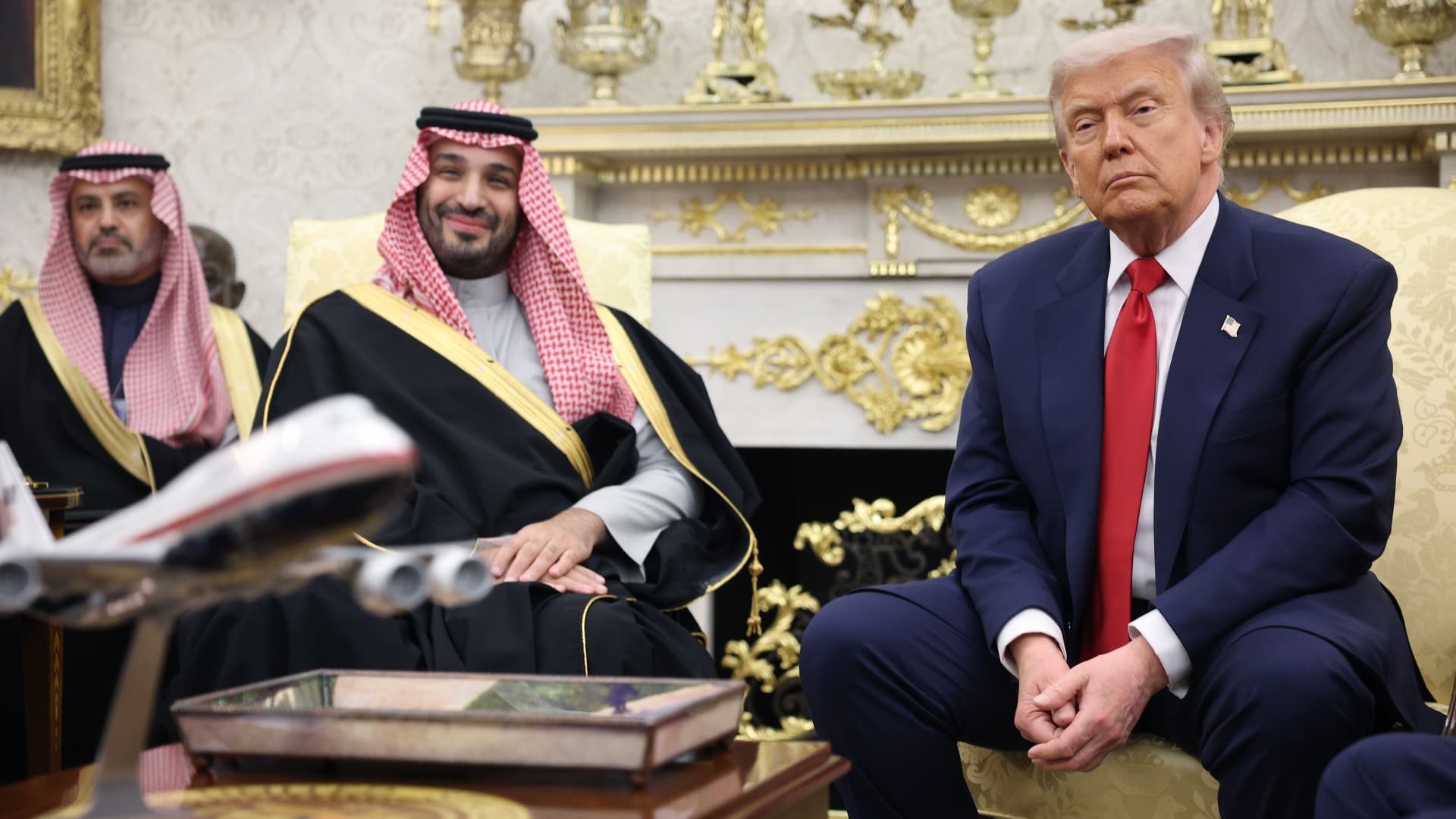
The U.S. signed an agreement Wednesday with Saudi Arabia to help develop a civilian nuclear power program in the kingdom, CNBC reported. For investors watching energy and geopolitics, the deal links Washington’s nuclear export policy with one of the world’s most important oil producers.
Civilian nuclear power refers to nuclear technology used for non-military purposes, such as generating electricity. Under the Atomic Energy Act, major U.S. cooperation with another country on civilian nuclear energy must be reviewed by Congress, according to the Congressional Research Service material cited by CNBC.
That congressional review is a key step because nuclear technology sits at the intersection of energy, national security and foreign policy. The agreement signals U.S. support for Saudi Arabia’s effort to add nuclear power to an energy system that is still dominated by hydrocarbons.
Saudi Arabia’s power mix is still fossil-fuel heavy
Saudi Arabia currently gets nearly all of its domestic electricity from fossil fuels, according to the International Energy Agency figures cited by CNBC. The IEA data show natural gas supplies close to 60% of the kingdom’s electricity, while oil accounts for about 40%.
That makes the nuclear agreement notable because Saudi Arabia is also the largest producer in OPEC, the oil-exporting group that plays a central role in global crude markets. A civilian nuclear program could give the kingdom another option for domestic power generation, although CNBC did not report details on timing, project size, reactor design or financing.
For retail investors, the immediate takeaway is not a specific trade. It is that energy policy in the Gulf is becoming broader than oil production alone. A country that is central to oil supply is also pursuing nuclear power, while the U.S. is positioning itself as a partner in that effort.
The deal arrives during heightened tensions with Iran
The agreement comes as Washington is bombing Iran in an effort to force Tehran to give up its nuclear ambitions, CNBC reported. That timing adds a sharp geopolitical backdrop to the Saudi deal, because U.S. policy is supporting civilian nuclear development in one Middle Eastern country while using military force tied to nuclear concerns in another.
CNBC did not report any statement from U.S. or Saudi officials beyond the signing of the agreement. The report also did not include the text of the agreement or specify what forms of cooperation the U.S. and Saudi Arabia plan to pursue.
The next formal checkpoint is Congress. Because the Atomic Energy Act requires review of significant U.S. civilian nuclear cooperation with foreign countries, lawmakers will have a role in examining the arrangement before deeper cooperation can proceed.
This story draws on original reporting from CNBC.