U.S. sets 25% tariff on most Brazilian imports starting July 22
Washington says Brazil used unfair trade practices, while a separate forced-labor probe could add another duty on top of the new tariff.
By Theo Nakamura · Staff Writer
· 3 min read
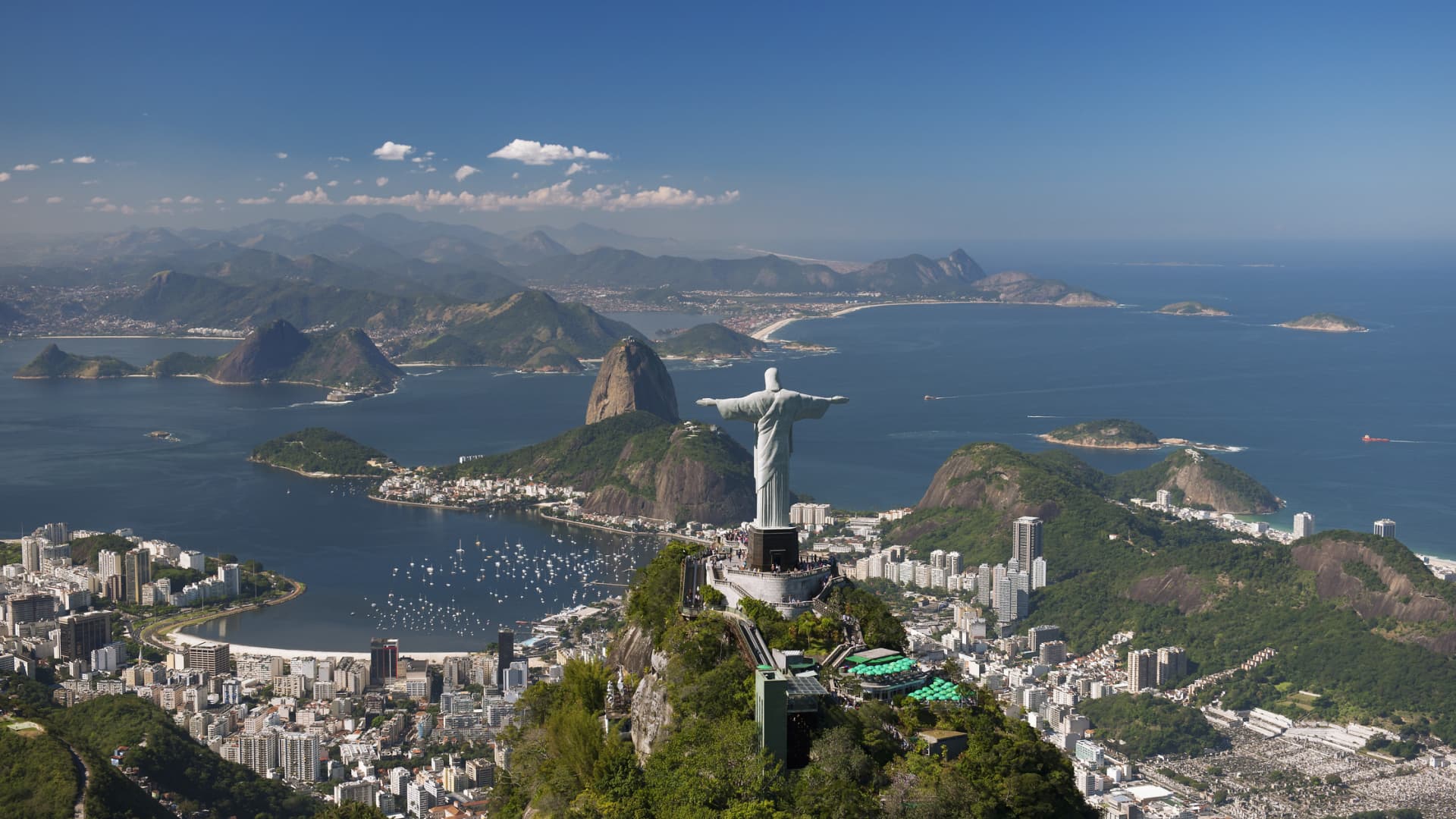
The U.S. is adding a 25% tariff to most goods imported from Brazil beginning July 22, raising the potential cost of a broad range of Brazilian products entering the American market. For investors, tariffs can matter because they change company costs, consumer prices and trade flows, especially for businesses with cross-border supply chains.
The Office of the U.S. Trade Representative said the action follows a yearlong investigation under Section 301 of the Trade Act of 1974. Section 301 is a trade law tool that lets Washington impose penalties when it determines another country has used unfair trade practices.
The USTR said the measure targets several Brazilian policies and practices. Those include court orders requiring U.S. technology companies such as X, Meta and Google to remove certain political content and suspend accounts held by U.S. residents, as well as preferential tariffs for Mexico and India, weak intellectual property enforcement and barriers in Brazil’s ethanol market.
A tariff is a tax on imported goods. The importer pays it when products enter the country, though companies may try to pass some or all of that cost along through higher prices.
The new 25% duty will cover most Brazilian imports, according to the U.S. announcement. Some categories are excluded, including beef, orange juice, aircraft and aircraft parts, and energy products.
The USTR said in a statement that the added tariffs are needed to create fairer conditions for U.S. workers and businesses. Brazil’s trade ministry did not immediately respond to a request for comment from CNBC.
Trade fight follows earlier court setback
The latest tariff move comes after the Supreme Court in February blocked President Donald Trump’s earlier 50% tariffs on Brazilian goods. The court left in place a 10% global tariff.
Trump has since used Section 301 investigations as another path to impose country-specific levies. The law allows tariffs on countries found to have unfair trade practices without requiring a separate vote from Congress.
Secretary of State Marco Rubio, writing on X after the announcement, said President Luiz Inacio Lula da Silva’s government had “not negotiated in good faith.” Rubio also said the tariff was the cost of Lula “putting his own ego ahead of making a deal.”
The decision followed months of talks between the two governments, including recent meetings between Brazilian officials and USTR representatives, according to Bloomberg Tax.
Lula said last month that Brazil would not accept the treatment it had received from the U.S., according to Al Jazeera. His comments referred to Trump’s earlier proposal to add 25% tariffs on Brazil.
Another tariff could still be added
A separate U.S. investigation focused on forced-labor enforcement could bring an additional 12.5% duty on Brazilian goods, Reuters reported. That duty would be added on top of the new 25% tariff if approved, with a decision expected next week.
The trade dispute has also entered Brazil’s presidential election debate ahead of the October vote. Lula has accused Senator Flavio Bolsonaro of helping set off the tariffs after a visit to Washington.
Bolsonaro denied that accusation, according to Reuters. He said he intended to push the Trump administration to postpone the tariff start date until after Brazil’s election.
This story draws on original reporting from CNBC.