Warsh’s repeated Fed phrases put rate watchers on alert
Fed Chair Kevin Warsh has used three recurring lines as investors look for clues on rates, inflation and how the central bank may change.
By Theo Nakamura · Staff Writer
· 4 min read
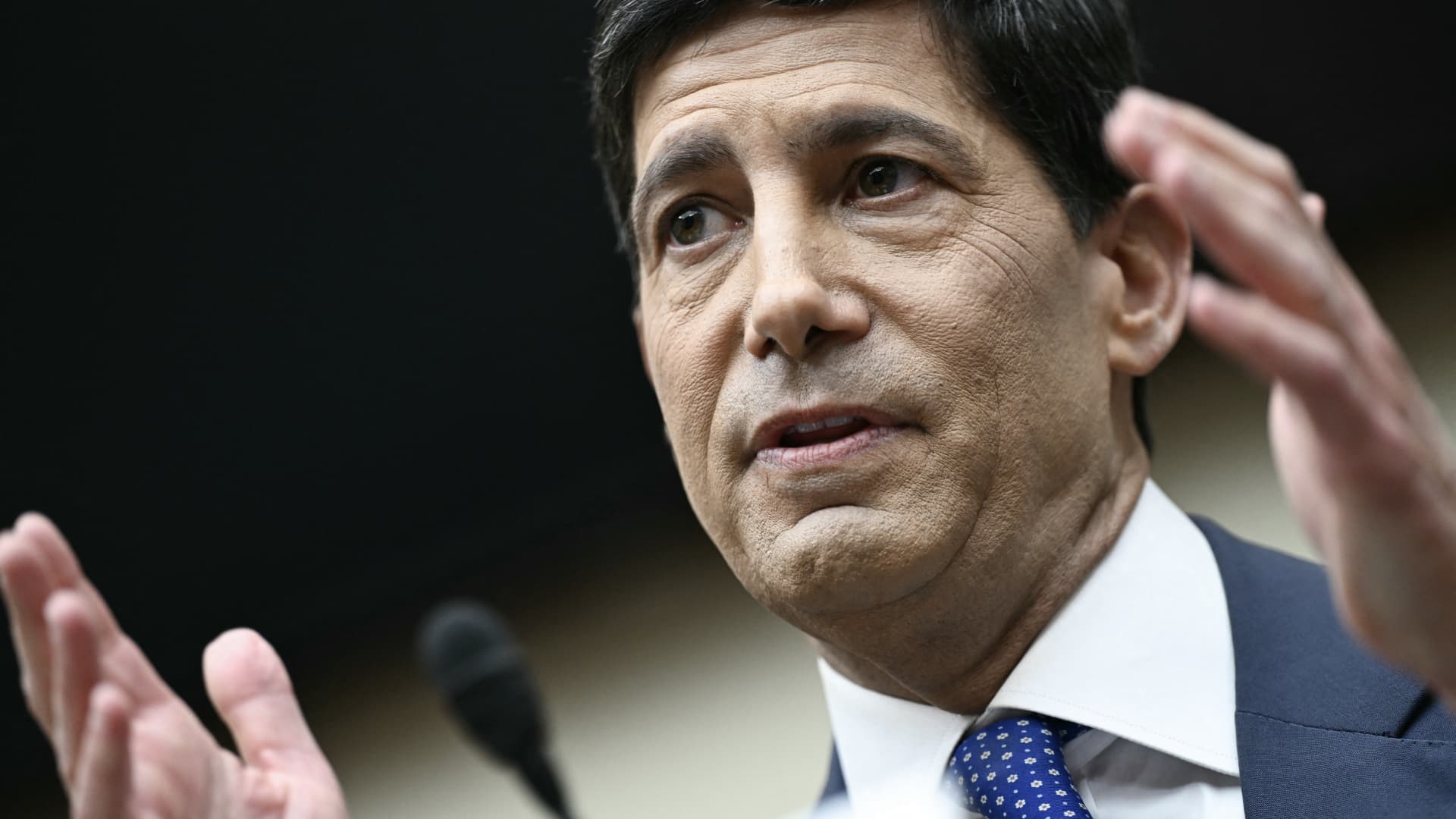
Federal Reserve Chair Kevin Warsh is giving markets fewer words to parse, so the phrases he repeats are carrying extra weight for everyday investors. Rate expectations ripple through stocks, bonds, mortgages and savings yields, which makes Fed language part of the market machinery.
Across five public appearances since his April nomination hearing, CNBC counted Warsh using three expressions again and again: “family fight” 13 times, “first principles” 11 times and “inflation is a choice” for the Fed six times. Those appearances included his first press conference, a roundtable in Portugal and two congressional testimonies.
CNBC asked five Fed watchers what they think Warsh is signaling. Their answers point to a chair who may want more internal debate, a broader review of how the Fed works and a tougher public stance on inflation.
The “family fight” line is about Fed debate
The Federal Open Market Committee, or FOMC, is the Fed group that sets interest-rate policy. It has 19 participants around the table, so the way discussion is organized can shape which arguments get heard before officials vote on rates.
Dan Greenhaus, a strategist at Solus Alternative Asset Management, told CNBC that Warsh appears to want a setting where assumptions are challenged more directly. Greenhaus said the effect may show up less in any one meeting and more in the quality of the Fed’s process over time.
Loretta Mester, the former Cleveland Fed president, said the FOMC already allowed open argument when she served on it. She also warned that a large group still needs structure, since an unstructured discussion can favor the loudest voices.
Claudia Sahm, chief economist at New Century Advisors, told CNBC that Fed meetings are often formal, with prepared remarks and limited back-and-forth. She said Warsh seems to prefer a more active exchange, though she doubts the format would change the policy decision.
Mark Spindel, a Fed author and chief investment officer at Potomac River Capital, read the phrase as a way to describe internal disagreements that Warsh may prefer to keep inside the institution. Michael Feroli, chief U.S. economist at JPMorgan, said the idea does not break much from the Bernanke-era practice of accepting public dissent.
“First principles” points to a review of the Fed’s role
Warsh’s use of “first principles” is being read as a call to revisit basic assumptions about central banking. For investors, that could matter if it affects how the Fed weighs inflation, jobs, its balance sheet or its communications.
Spindel told CNBC the phrase is broad enough to serve Warsh’s own agenda. He linked it to Warsh’s interest in monetary aggregates, measures of money in the economy, and to Warsh’s criticism of earlier Fed inflation misses.
Sahm described the phrase as a signal that Warsh wants to question the Fed’s operating model. She said he may secure incremental changes but expressed skepticism that he will rewrite the core principles of monetary policy.
Mester said the phrase suggests reconsidering how the Fed pursues its dual mandate: stable prices and maximum employment. She said that could include communications, labor-market analysis, inflation assessment, the balance sheet, the operating framework and data sources.
Greenhaus told CNBC that the phrase may also mean a narrower view of the Fed’s job, with more skepticism toward its involvement in areas such as regulation and climate-related issues.
“Inflation is a choice” puts responsibility on the central bank
Warsh’s line that inflation is a Fed choice echoes an older monetarist idea associated with Milton Friedman: over time, inflation is tied to money and monetary policy. Monetary policy means the Fed’s use of interest rates and related tools to influence borrowing, spending and prices.
Mester said the Fed must keep demand from running persistently ahead of supply if it wants stable prices. She added that short-term supply disruptions can lift prices before rate moves have time to work, because policy affects the economy with long and variable lags.
Sahm told CNBC that Warsh’s wording leaves out the time horizon. She said supply shocks, including energy disruptions or tariffs, can move inflation in the short run regardless of Fed action, even though longer-run inflation is mainly shaped by monetary policy.
Greenhaus said Warsh’s message suggests less patience for blaming persistent inflation on outside forces such as tariffs, fiscal stimulus or supply shocks. Feroli said most modern monetary economists accept that central banks control inflation in the long run, while the length of that “long run” is more disputed.
Spindel said the phrase fits Warsh’s statement that the committee will deliver price stability. He also said Warsh, when pressed by Sen. John Kennedy, a Louisiana Republican, ultimately pointed toward the possibility that higher rates could be needed.
This story draws on original reporting from CNBC.