Warsh Fed rate decision may reveal policy shift without a hike
CNBC analysis says Kevin Warsh is likely to hold rates steady while investors parse his inflation, AI and political signals.
By Theo Nakamura · Staff Writer
· 3 min read
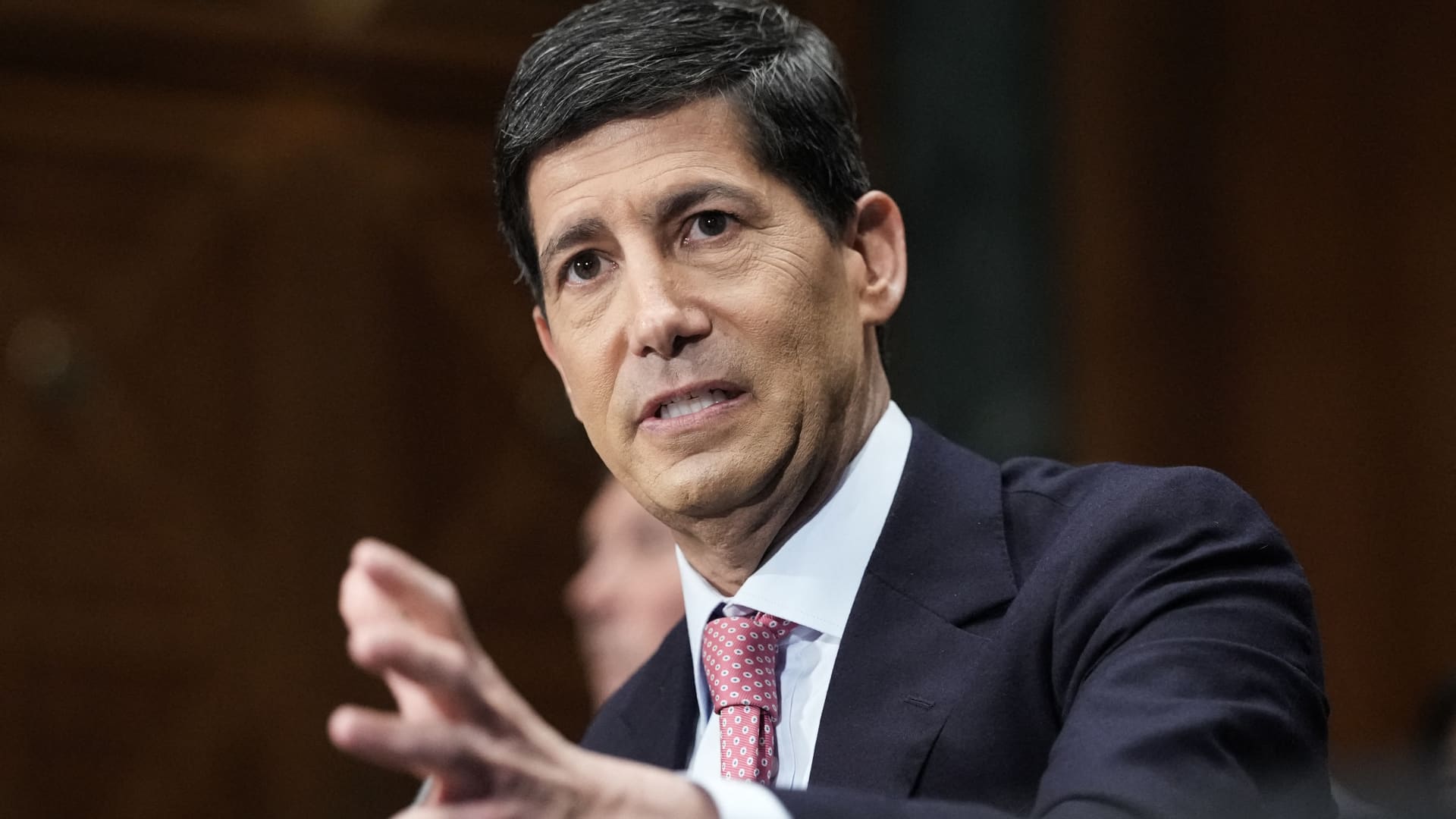
The Warsh Fed rate decision this week may tell investors more through the press conference than through the interest-rate line itself. CNBC analysis says Federal Reserve Chair Kevin Warsh is unlikely to raise rates at the Federal Open Market Committee meeting, even with markets pricing a real chance of a move.
For retail investors, the difference matters because Fed policy shapes the rate backdrop for stocks, bonds and cash. The FOMC is the Fed’s rate-setting committee, and according to CME FedWatch, investors see a nearly 40% probability that officials raise rates this week.
Will Kevin Warsh raise interest rates this week?
CNBC’s analysis points to three reasons Warsh may hold off: his own reading of inflation risks, the task forces he created to rethink Fed policy, and the politics around President Donald Trump and former Fed Chair Jerome Powell.
Warsh has pledged to end “forward guidance,” the Fed practice of signaling a likely future path for rates before meetings happen. That means he has avoided saying in advance how he will vote, but his recent Senate testimony gave clues about his reaction function, a term for how policymakers interpret economic data and decide whether rates need to change.
One issue is energy. CNBC noted that gas and diesel prices rose after the U.S.-Iran ceasefire broke down. In testimony on July 15, Warsh described some moves as price shocks the Fed cannot directly control, saying, “Particular price shocks happen to particular prices that we don’t have control over.” CNBC also cited June consumer-price-index data released before that testimony showing broader prices were falling before the latest return to hostilities.
Warsh has taken a similar line on artificial intelligence-related costs. Some Fed colleagues have warned that heavy spending on semiconductors, electricity and related infrastructure could push prices higher. Warsh told senators he does not view a one-time price change as automatically inflationary, because he sees room for a supply response.
That distinction is central for investors watching the press conference. A temporary jump in one category may not push the Fed to raise rates if officials think it will fade or be met by more supply. A broader inflation problem is different because higher rates can slow demand across the economy.
Why Warsh’s task forces matter
CNBC reported that Warsh has set up task forces expected to report in late 2026 and later on inflation, artificial intelligence, data and Fed communications. Those groups are meant to address the same questions now facing the committee, including whether AI can lift growth without adding inflation and whether the Fed’s inflation framework needs to change.
A rate increase at Warsh’s second FOMC meeting as chair would send a strong signal that he sees current inflation risks as serious enough to act before those reviews finish. Holding rates steady would give those reform efforts more time.
What role does politics play in the Fed decision?
Warsh has said he will make rate decisions independently of Trump, according to CNBC. Still, the political setting is complicated. Trump said Monday that he wants lower interest rates and criticized the Fed board, saying, “You need the consent of some people that have perhaps bad intentions,” in what CNBC described as a thinly veiled reference to Powell.
Powell can remain on the Fed board through January 2028, though CNBC reported he could leave earlier depending on an inspector general report into Fed renovation cost overruns and whether the Justice Department leaves him alone afterward. Warsh may also face questions about a separate outside review of the Fed’s handling of bank problems in 2023.
CNBC’s bottom line is that the rate decision itself is not the only market signal. Warsh’s explanation of energy prices, AI costs, Fed reforms and board politics could show how his Fed plans to judge inflation before the first rate hike of his tenure arrives.
This story draws on original reporting from CNBC.