Warsh faces early inflation test after two days on Capitol Hill
The new Fed chair avoided major hearing stumbles, but his inflation framework is already under pressure from lawmakers, markets and Fed colleagues.
By Dev Ramirez · Crypto Correspondent
· 4 min read
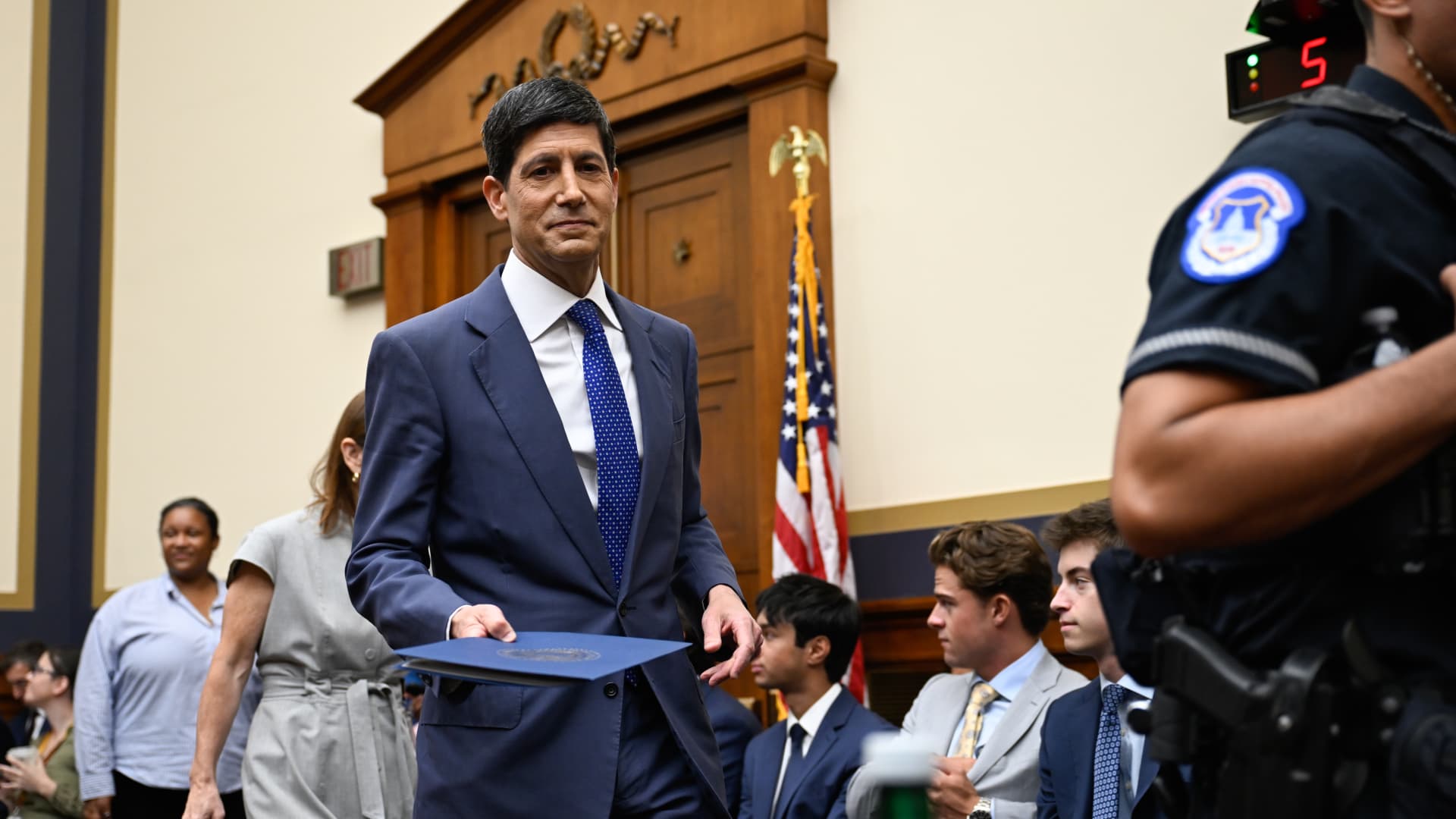
Federal Reserve Chair Kevin Warsh made it through two days of congressional testimony without a major public stumble, but investors now have a clearer picture of the challenge in front of him: proving he can bring inflation under control. For everyday investors, that test matters because Fed rate decisions filter into credit-card costs, mortgage rates, business borrowing and the valuations investors place on stocks.
Warsh testified before House and Senate lawmakers on Tuesday and Wednesday, facing sharp questions from Democrats and more supportive remarks from Republicans. According to CNBC, lawmakers in both parties agreed on one central point: prices are still climbing too quickly.
That puts Warsh’s public commitment to “price stability” under the microscope. Price stability means inflation stays low and predictable enough that households and businesses can plan without constant worry that money will lose purchasing power.
Warsh questions the inflation gauges
Part of Warsh’s early problem is that he is challenging some of the tools the Fed has long used to read inflation. Two major inflation reports moved in a favorable direction this week. The Consumer Price Index, which tracks prices paid by consumers, fell 0.4% in June. The Producer Price Index, which measures prices received by businesses, fell 0.3%.
Warsh welcomed the direction of the data but warned against treating any single report as definitive. “Any central bank would be happy to have the data going in the right direction,” Warsh said Wednesday. “My view is these are all imperfect measures of the state of underlying inflation.”
He also drew a distinction between broad inflation and one-time price shocks. Warsh said the war involving Iran has pushed up U.S. gasoline prices, but he argued that a jump in one category is not necessarily the kind of inflation the Fed can control through interest rates.
“Particular price shocks happen to particular prices that we don’t have control over. But I don’t want to suggest we don’t have control over inflation in the medium term. That’s our job,” Warsh said.
The AI spending debate reaches the Fed
Warsh has created a task force to study how the Fed should think about inflation, but CNBC reported that its findings are months away. The timing is tight: Fed officials are due to meet in two weeks to decide what to do with interest rates.
The Fed uses interest rates to influence demand. Higher rates tend to cool borrowing and spending, which can ease inflation pressure. Lower rates tend to support borrowing, hiring and investment, but can also add pressure if the economy is already running hot.
Inside the Fed, officials appear split over whether the artificial intelligence investment boom, including data-center construction, is adding to economy-wide price pressure. Fed Governor Lisa Cook said Wednesday that AI spending could help drive inflation through “significant price increases for chips, other high-tech equipment, software, and utilities.” Cook said that shift has changed her view, “with inflation risks now outweighing employment risks.”
Warsh described the AI debate as “one of the good family fights” at the Fed. He said he expects supply to respond to higher demand, making AI-related price increases different from a foreign conflict that can limit supply.
Democratic senators questioned the makeup of Warsh’s AI task force, noting that its members are highly optimistic about AI and that no member clearly represents labor, according to CNBC. Some Republican senators praised the range of views represented on Warsh’s task forces.
Credibility is the market issue
Warsh is also bringing back more attention to the money supply, a measure of how much money is circulating in the economy. His monetary policy report to Congress included reporting on money supply measures, a practice that had faded under former Chair Jerome Powell. Warsh said he does not want to return to targeting money supply directly, but believes it can still offer useful inflation signals.
“I have this old-fashioned view that monetary policy has something to do with money,” Warsh said.
CNBC reported that markets now broadly expect the Fed to raise rates by year-end, although Warsh has not committed to a path. If inflation does not cool in a lasting way, his new framework, task forces and skepticism toward traditional inflation measures are likely to face heavier scrutiny from both Fed officials and lawmakers.
This story draws on original reporting from CNBC.