Why flights are so expensive as fuel and operating costs climb
U.S. airfare rose 26.5% in June as airlines faced higher fuel and operating costs, and executives expect pricing to stay firm in 2026.
By Theo Nakamura · Staff Writer
· 3 min read
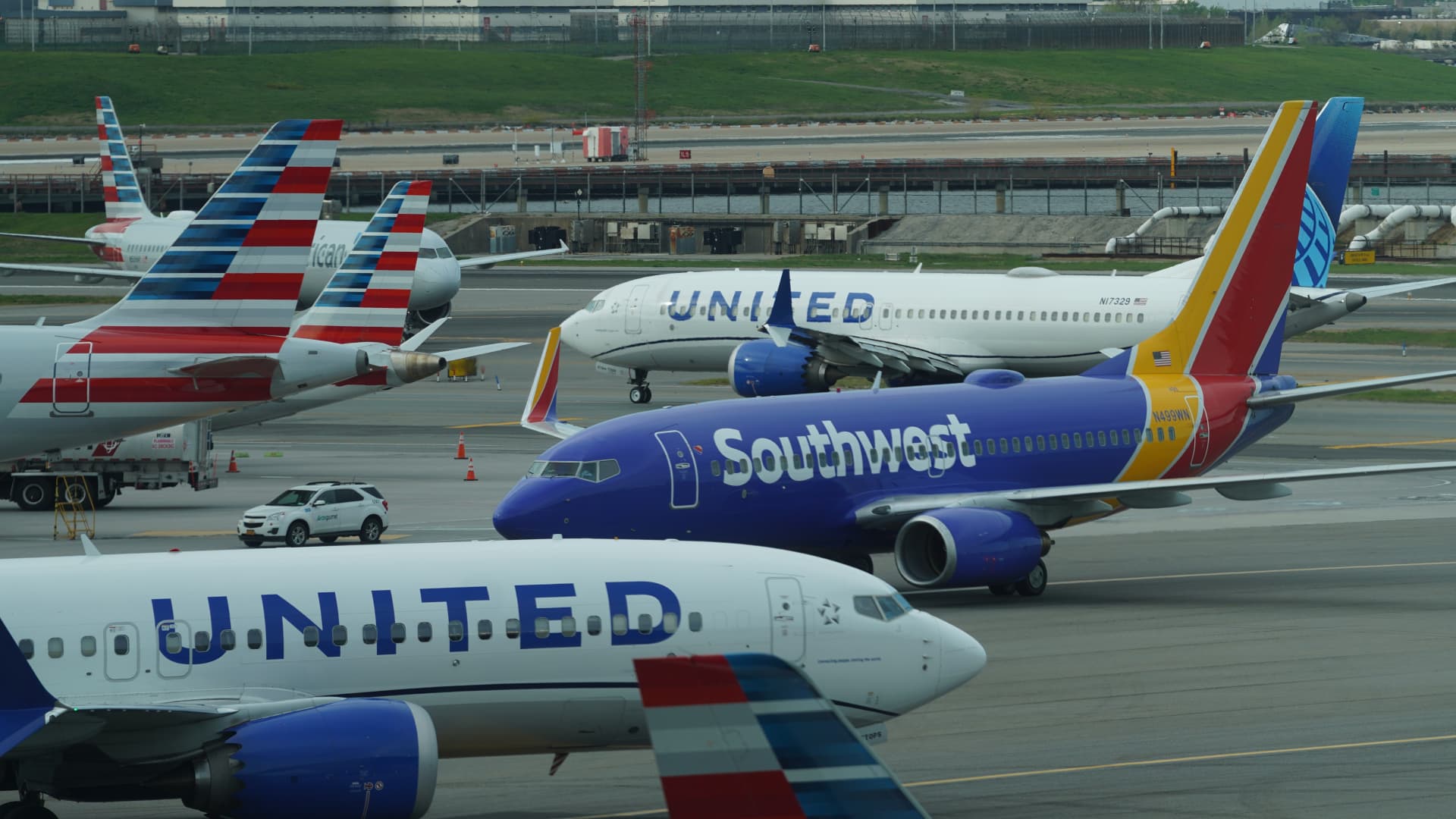
For travelers asking why flights are so expensive, the immediate answer is a sharp rise in airline costs paired with demand that carriers say has held up. U.S. airfare was 26.5% higher in June than a year earlier, according to federal data cited by CNBC, and airline executives say they expect fares to remain elevated through the rest of 2026.
Fuel is the most visible pressure. S&P Global Energy Platts data cited by CNBC put U.S. Gulf Coast jet fuel at $2.39 a gallon on Feb. 27. It climbed to $4.78 on April 2 before retreating to about $3.60 by July 27. That late-July price was still roughly 50% above its level in late February, CNBC reported.
Jet fuel is the refined fuel used by commercial aircraft, so a sustained increase raises the cost of operating each flight. The decline from April's high removes some of that pressure, but the available evidence does not establish whether or when airlines would lower ticket prices in response.
Why are flight prices still high if jet fuel has fallen?
Airlines face expenses beyond fuel. United executives cited increased labor, maintenance, airport fees and other operating costs in July. Carriers can try to recover those expenses through the fares paid by passengers, although fare levels still depend on what customers are willing to pay.
The scale of the fuel hit is substantial. United said it expected to pay about $6 billion more for fuel in 2026 than it had anticipated at the beginning of the year. American Airlines forecast a $6 billion fuel-cost increase from 2025. CNBC said both figures represented increases of more than 50% from 2025.
Second-quarter company reports also showed year-over-year increases in fuel bills at the four largest U.S. carriers: American reported $4.9 billion, Delta $4.1 billion, Southwest $2.2 billion and United $5.1 billion, according to CNBC's compilation.
Demand and schedules also affect what travelers pay
Higher costs have not, by airlines' accounts, produced a broad pullback in bookings. United Chief Commercial Officer Andrew Nocella told analysts on the company's July 16 earnings call that the carrier had seen minimal to no negative effect on demand from higher prices. Southwest CEO Bob Jordan also said in late July that demand remained strong despite high fuel costs and fares, CNBC reported.
Airlines also cut back schedules during 2026, CNBC reported. Fewer flights on a route can leave passengers with fewer flight choices and can lift fares. That is one reason a traveler may see prices stay high even after fuel retreats from a peak.
National data offer a more mixed backdrop. For the 12 months ended in April, the Transportation Department's Bureau of Transportation Statistics reported U.S. departures rose 1.0% from a year earlier, while enplaned passengers fell 0.7% and the load factor, the share of seats filled, fell 1.1 percentage points to 81.8%. The number of airlines with scheduled service declined 4.8%. Those nationwide figures do not by themselves show that schedule changes caused the fare increase.
Cirium data cited by CNBC showed American, Delta, United and Southwest accounted for 82.1% of seats flown by U.S. airlines this year, up from 80.7% in 2025. That trend provides context for competition, but does not itself explain higher fares.
The practical conclusion is a qualified one: fuel prices have eased, yet fuel remains elevated and nonfuel expenses persist. Along with reported resilience in travel demand, those conditions support airlines' stated outlook for firm pricing through at least the remainder of 2026, rather than a guarantee that every route or ticket will remain expensive.
This story draws on original reporting from CNBC.


