Crypto holds steady as ZEC, Polygon rise and Trump rules out SBF pardon
Bitcoin traded near $90,300 while policy headlines, bank research and infrastructure updates shaped a mixed crypto session.
By Dev Ramirez · Crypto Correspondent
· 3 min read
Crypto prices were mostly steady ahead of a Supreme Court opinion on Trump-era tariffs, with Bitcoin up 1% at $90,300 and several smaller tokens moving more sharply. For retail investors, the session showed how crypto markets are being pulled by more than coin-specific news: court decisions, bank research and regulatory signals are all feeding into price action.
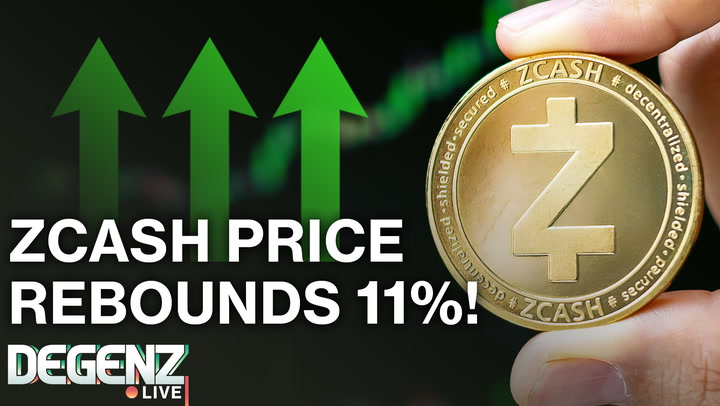
Among major tokens, Solana rose 3% to $138 and XRP gained 1% to $2.10. Ether was quoted at $3,090. The strongest movers named in the market snapshot were Polygon, up 11%, Zcash, also up 11%, and Syrup, up 7%.
JPMorgan said the recent sell-off in Bitcoin and Ether may be close to finding a floor. The bank pointed to better positioning and less downside pressure after weakness earlier in the year. In plain English, positioning refers to how exposed traders and investors already are. If many leveraged bets have already been cut, there can be less forced selling left to hit the market.
Bank of America analysts also turned more positive on Coinbase, upgrading the stock to buy. The analysts cited clearer regulation, rising institutional adoption and better visibility into long-term earnings. For Coinbase shareholders, that upgrade matters because the company’s revenue is tied to both trading activity and the broader acceptance of crypto products by large financial firms.
Wall Street keeps building crypto rails
Morgan Stanley is planning to launch a digital wallet later this year that could support tokenized assets, including private company equity. A digital wallet stores and transfers digital assets. Tokenized assets are traditional assets, such as shares or private equity stakes, represented on a blockchain so they can be tracked and potentially traded in a different way.
Florida lawmakers renewed their push for a state-level Bitcoin reserve. A strategic Bitcoin reserve would mean a government entity holds Bitcoin as part of its assets, similar in concept to how public institutions manage reserves, though the idea remains politically and financially debated.
President Donald Trump said he would not pardon Sam Bankman-Fried, the founder of FTX. Bankman-Fried became one of the most visible figures in crypto after FTX’s collapse, and any discussion of a pardon carries symbolic weight for an industry still trying to move past the exchange’s failure.
Ethereum and Polygon updates draw attention
On Ethereum, the validator exit queue fully cleared. Validators help secure the network by locking up Ether, a process known as staking. The exit queue is the waiting line for validators that want to withdraw. Clearing it reduces delays for validators and for liquid staking protocols, which are services that let users stake while receiving a tradable token in return.
Polygon Labs introduced the Open Money Stack, an initiative aimed at making stablecoin payments easier. Stablecoins are crypto tokens designed to track the value of traditional currencies, most often the U.S. dollar. Faster and cheaper stablecoin payments have become a major focus for crypto networks competing for real-world usage.
Polygon was also reported to be close to acquiring Coinme, a large Bitcoin ATM operator. If completed, the deal would connect a blockchain network best known for payments and scaling tools with a company that gives consumers physical access points for buying and selling Bitcoin.
This story draws on original reporting from Decrypt.