Business groups press Senate to drop defense contractor payout limits
A Senate defense bill provision would restrict Pentagon contractors’ buybacks and dividends unless the Defense Department signs off.
By Maya Okafor · Markets Writer
· 4 min read
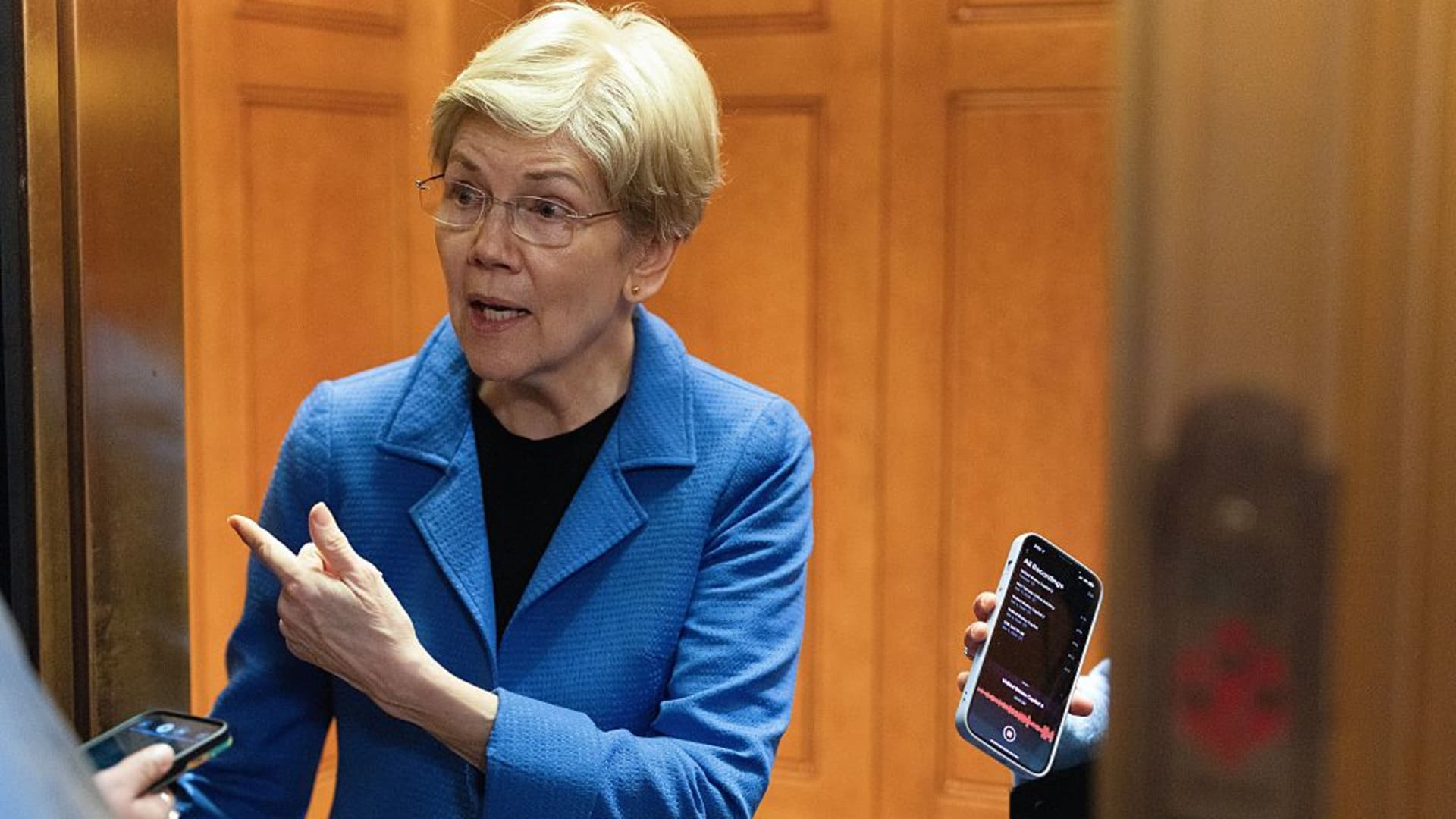
A coalition of major business groups is pushing the Senate to remove a provision that could limit how Pentagon contractors return cash to shareholders. For everyday investors, the fight matters because stock buybacks and dividends are two common ways public companies distribute profits, and the proposal would put those decisions under Defense Department review for companies that sell goods or services to the Pentagon.
The U.S. Chamber of Commerce and 40 other business organizations sent a letter Tuesday to Senate leaders asking them to strip Section 815 from the National Defense Authorization Act, the annual defense policy bill that the Senate is expected to begin considering this week, according to CNBC.
A stock buyback is when a company repurchases its own shares, which can reduce the share count and affect per-share metrics. A dividend is a cash payment to shareholders. Under the Senate provision, the Defense Department could not enter into contracts with companies unless they agreed not to buy back listed equity securities, pay dividends or make other capital distributions, unless they received a waiver from the defense secretary.
The restriction would begin June 15, 2027, according to the Senate Armed Services Committee’s report on the bill. A waiver could be granted if a contractor submitted a qualifying defense investment plan.
Business groups warn of broad reach
In their letter, the Chamber and the other groups argued that Section 815 would move routine capital-allocation decisions from company executives and boards to the federal government. They said the language could affect a wide range of companies that do business with the Pentagon, without drawing a clear line between major weapons manufacturers and other vendors.
Will Anderson, vice president of corporate governance at Business Roundtable, which signed the letter, told CNBC the proposal would give Washington an unusual role in ordinary company finance decisions. He said it could create uncertainty for businesses across many industries at a time when Congress should be reducing obstacles to participation in the defense industrial base.
The groups also argued in the letter that blocking capital distributions would not create more investment, but would stop capital from being directed to what companies view as its highest-value use.
Warren backs tighter rules
Sen. Elizabeth Warren, D-Mass., pushed for the provision, and members of the Senate Armed Services Committee told CNBC it was included in the NDAA on a bipartisan basis after a closed-door vote. Warren had previously led related legislation with Sens. Josh Hawley, R-Mo., and Mike Lee, R-Utah.
Supporters say the measure is meant to address defense contractors that fail to meet Defense Department expectations and to write into law President Donald Trump’s January executive order restricting buybacks and dividends by underperforming contractors. Warren told CNBC last month that the policy was designed to bring discipline to defense contractors.
In a statement, Warren said military contractors should not put Wall Street ahead of national security. She accused large defense contractors of taking billions in taxpayer dollars while directing money to executives and shareholders instead of national defense investment.
Trump said in the executive order that he wanted to increase defense production and encourage companies to reinvest proceeds. Lawmakers have long criticized defense contractors over programs that run over budget or miss schedules, according to CNBC.
Senate fight is not over
Section 815 is already in the Senate Armed Services Committee-approved version of the NDAA. Removing it from the Senate bill would likely require a floor amendment, and CNBC reported that such an amendment would face a 60-vote threshold.
Sen. Mike Rounds, R-S.D., a member of the committee, told CNBC the provision goes farther than he is comfortable with. He said politicians should be cautious about telling business leaders how to run their companies, and warned that restrictions on capital management could reduce investment incentives tied to rebuilding the defense industrial base.
The House version of the defense bill does not include the buyback and dividend language, according to CNBC. That means the issue could be debated when the House and Senate work to reconcile their competing NDAA versions.
This story draws on original reporting from CNBC.


