China's June inflation split shows weak consumers and pricier factories
China's consumer inflation cooled in June, while factory-gate prices rose at the fastest annual pace since July 2022, official data showed.
By Priya Nair · Economy Reporter
· 3 min read
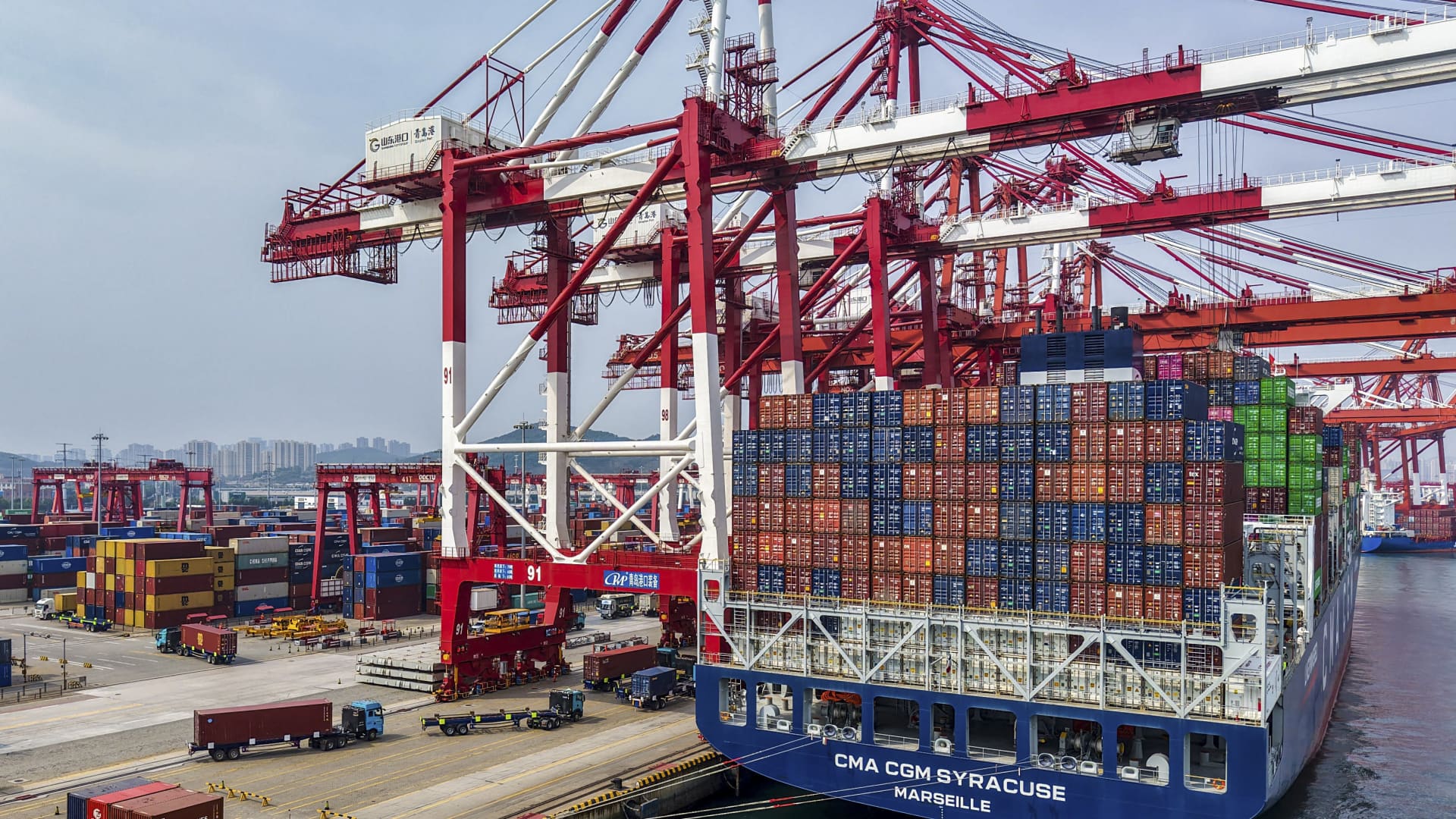
China’s June inflation report gave investors a split picture: households are still spending cautiously, while factories are dealing with higher prices for what they make. That mix matters for anyone tracking Chinese stocks, commodities or global supply chains because it points to pressure on company margins and only modest demand from consumers.
The consumer price index, or CPI, rose 1% in June from a year earlier, China’s National Bureau of Statistics said Thursday. CPI measures the prices shoppers pay for goods and services. The reading was below the 1.1% increase economists expected in a Reuters poll and slowed from 1.2% in May.
Core CPI, which strips out food and energy because those categories can swing sharply, also climbed 1% from a year earlier, according to the statistics bureau. That was slightly below May’s 1.1% rise. Food prices fell 1.6% year over year, compared with a 1.7% decline in May, official data showed.
Factory-level inflation moved the other way. The producer price index, or PPI, rose 4.1% in June from a year earlier, matching economists’ expectations and accelerating from 3.9% in May. PPI tracks the prices producers receive for goods, so it can signal cost pressure before it reaches consumers. LSEG data cited by CNBC showed the annual increase was the strongest since July 2022.
The monthly PPI trend looked softer. Producer prices fell 0.3% from May, according to official data.
Tianchen Xu, senior economist at the Economist Intelligence Unit, told CNBC that oil prices are broadly easing, which should limit further gains in PPI. Xu said the strong annual comparison reflected a low-base effect, meaning this year’s figure looks larger because prices were especially weak a year earlier. He also said factories cannot pass all cost increases along to customers because domestic demand remains weak.
China’s producer prices had fallen 3.6% in June last year, the sharpest drop in almost two years, according to official data cited by CNBC. The decline came as price competition spread across parts of the economy. PPI returned to growth in March as input costs rose after conflict in the Middle East lifted commodity prices, CNBC reported.
Wholesale prices have also been supported by demand tied to artificial intelligence computing, including higher prices for technology equipment and semiconductors, according to CNBC. China’s manufacturing activity expanded faster than expected in June, with experts pointing to overseas demand, including AI-related technology, as a driver.
That leaves China with an uneven economy. Neo Wang, China strategist at Evercore ISI, told CNBC that many investors increasingly see the gap between strong exports and weak consumption and housing as a long-running feature of China’s economy. Wang said household sentiment remains muted as the prolonged property downturn weighs on wealth.
Gabriel Wildau, managing director at Teneo, told CNBC that export and manufacturing strength may make Beijing less likely to announce large new support measures for consumers unless the slowdown lasts beyond the conflict. Wildau pointed to a late-July meeting of the Communist Party’s 24-member Politburo as the next chance for officials to increase policy support.
The International Monetary Fund on Wednesday raised its 2026 China growth forecast to 4.6% from 4.4%, while cutting its global growth estimate to 3%. The IMF cited China’s high-tech manufacturing, export strength and earlier public infrastructure spending. Beijing has set a growth target of 4.5% to 5% for the year.
This story draws on original reporting from CNBC.