Hormuz reopening eases oil shock, but inflation pressure may linger
Analysts say a U.S.-Iran memorandum to reopen the Strait of Hormuz may not quickly reverse higher energy, food and interest-rate pressure.
By Maya Okafor · Markets Writer
· 4 min read
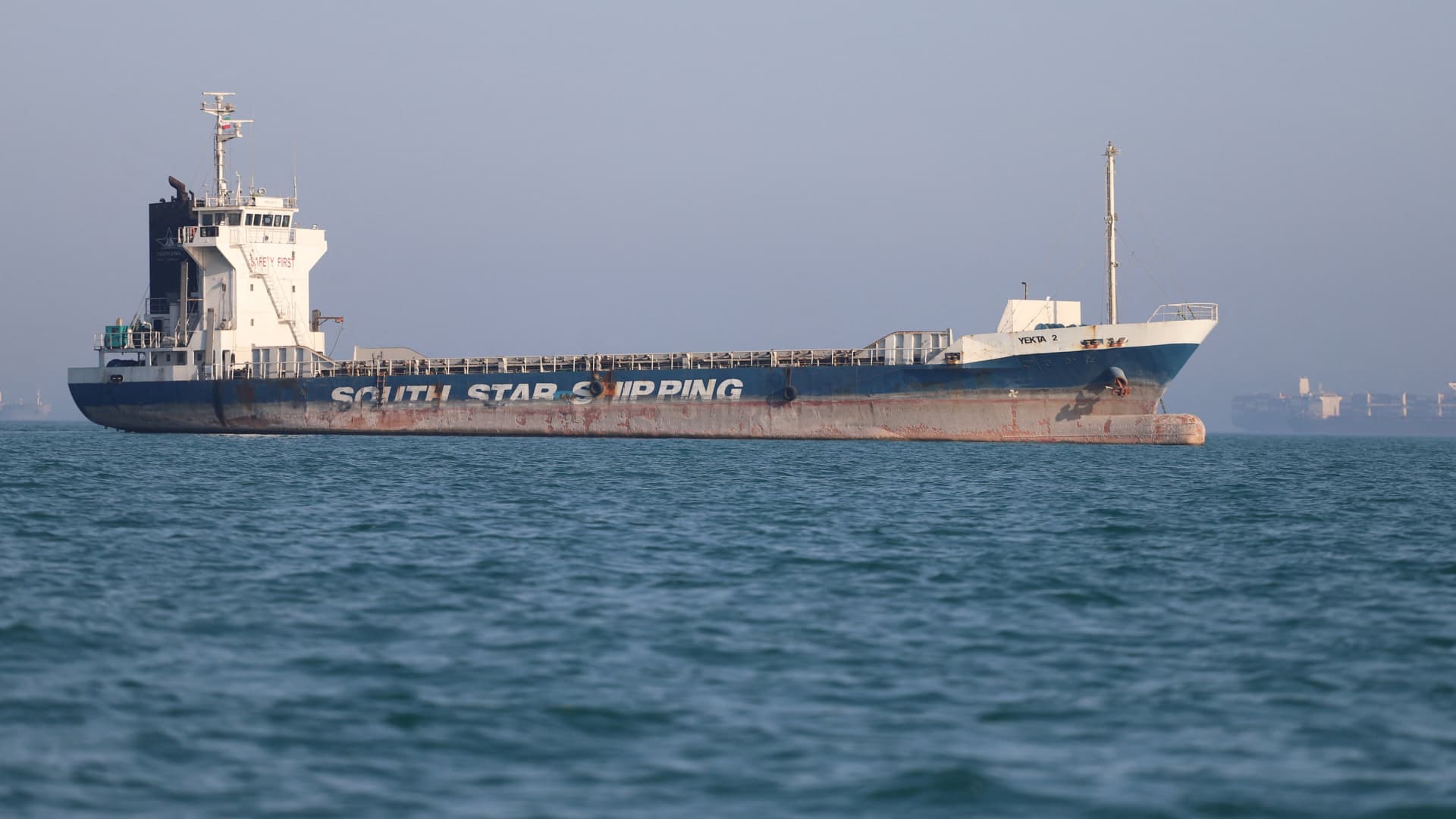
Early signs that ships can again move through the Strait of Hormuz have taken some pressure off global oil markets, but the hit to household costs may not fade as quickly. For everyday investors, the issue is timing: energy prices can fall in markets before lower costs show up in inflation data, company margins or central bank decisions.
The U.S. and Iran signed a memorandum Thursday to reopen the strait, according to CNBC, ending nearly four months of war that disrupted global energy supply chains. The Strait of Hormuz is a key shipping passage for oil and gas, so restrictions there can raise transportation costs and tighten supply around the world.
Oil prices pulled back to about $80 a barrel Friday after reaching $118 in March, when the conflict was at its peak, CNBC reported. Goldman Sachs cut its oil outlook Tuesday, forecasting Brent crude to average $80 in late 2026 and $75 in 2027, citing a quicker recovery in Persian Gulf crude flows.
Simon MacAdam, deputy chief global economist at Capital Economics, said in a note this week that higher inflation has already been largely “baked in” across many economies. He said higher energy and fertilizer costs can take months to move through food supply chains before consumers see the full impact. Natural gas prices paid by households usually lag wholesale market prices by about three months, MacAdam said.
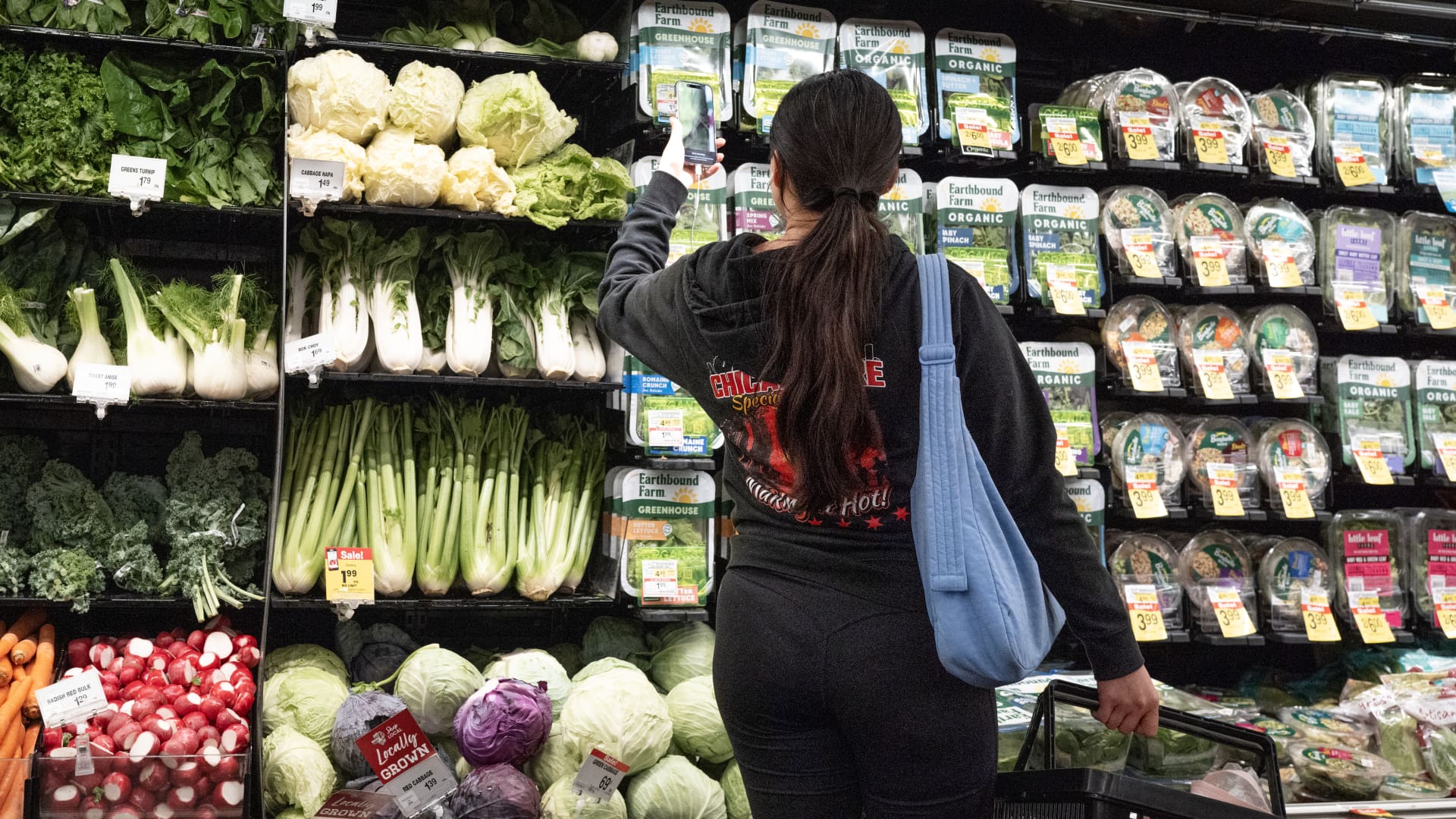
That lag matters because inflation is measured through the prices consumers actually pay. If a supermarket, utility or food producer paid more for fuel, fertilizer or shipping during the crisis, those costs may still appear in bills and shelf prices after the first relief in oil markets.
Central banks face a tougher rate call
The World Bank last week lowered its global growth forecast to 2.5%, which it said would be the slowest pace since the pandemic. The bank also expects global inflation to rise to 4% this year from 3.3% in 2025, even if oil-flow disruptions ease in the coming weeks.
The World Bank said fertilizer prices could rise as much as 38% this year as supply disruptions and shortages of key Gulf inputs affect agriculture markets. Food inflation can be especially difficult for central banks because consumers feel it quickly, while the original cause may sit far up the supply chain.
Europe may be under particular pressure because natural gas storage levels remain historically low, according to MacAdam. He said inflation in Europe and Japan could rise by an additional 3 to 4 percentage points as prices for U.S. liquefied natural gas exports increase. Liquefied natural gas, or LNG, is gas cooled into liquid form so it can be shipped overseas.
The European Central Bank raised interest rates last week for the first time in nearly three years. The Federal Reserve, led by Chairman Kevin Warsh, kept short-term rates unchanged Wednesday but raised its forecast for personal consumption expenditures inflation, the Fed’s preferred inflation gauge, to 3.6% by December from 2.7% in March. Nine of 18 voting Fed members expect at least one rate increase before year-end, according to CNBC.
The Bank of England also held rates steady, but warned that “even in the event of prompt conflict resolution, there could be a logistical delay in restoring energy production and transportation.”
Alex Holmes, regional director at Economist Intelligence Unit, said central banks that have taken a more hawkish stance, meaning they are more focused on fighting inflation through tighter policy, are unlikely to reverse quickly while fuel prices and inflation remain elevated. He also said food inflation faces pressure from a super El Niño that threatens agricultural output in the coming months.
Governments rethink energy buffers
The crisis has pushed policymakers to reconsider energy security, according to CNBC. Countries affected by the disruption are expected to increase stockpiles, support more domestic production and look for alternate supply routes to reduce reliance on one chokepoint.
Matteo Lanzafame, a director at the Asian Development Bank, said at a virtual event Thursday that maintaining buffers during peaceful periods would provide protection against global emergencies. For markets, the immediate oil-price relief is only one part of the story. The slower-moving effects on inflation, rates and food costs are still working through the economy.
This story draws on original reporting from CNBC.