Inflation, housing and retail sales lead the week’s data calendar
December CPI, November retail sales and key housing reports headline the Jan. 11 week, alongside manufacturing surveys and the Fed Beige Book.
By Sofia Marchetti · Columnist
· 3 min read
Investors get a busy run of economic data in the week of Jan. 11, led by December consumer inflation, November retail sales and December existing home sales. Those reports matter because they give a fresh read on prices, consumer demand and housing, three areas that shape expectations for interest rates and the broader market.
According to Calculated Risk’s weekly schedule, Monday, Jan. 12, has no major economic releases planned. The pace picks up Tuesday with small-business sentiment, inflation and new-home sales data.
The National Federation of Independent Business is scheduled to release its Small Business Optimism Index for December at 6:00 a.m. Tuesday. At 8:30 a.m., the Bureau of Labor Statistics is set to publish the December Consumer Price Index, or CPI, a measure of prices paid by consumers for a broad basket of goods and services.
Calculated Risk lists consensus expectations for CPI to rise 0.3% in December. Core CPI, which excludes food and energy because those categories can swing sharply month to month, is also expected to rise 0.3%. On a year-over-year basis, the consensus is for both CPI and core CPI to be up 2.7%.
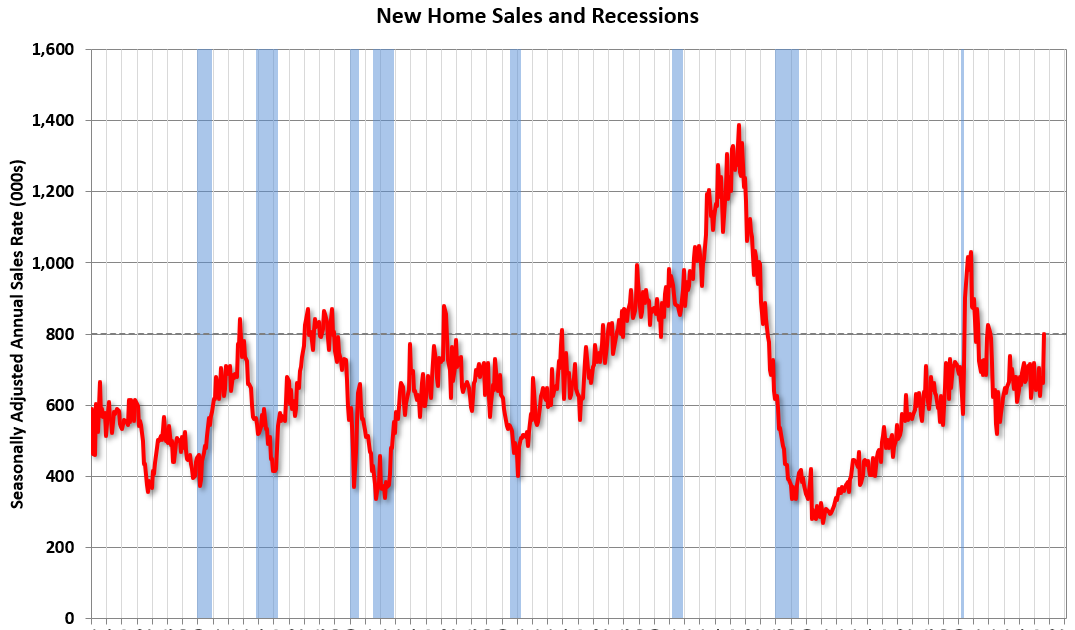
At 10:00 a.m. Tuesday, the Census Bureau is scheduled to release new-home sales data for September and October. The consensus cited by Calculated Risk is for October new-home sales to run at a 714,000 seasonally adjusted annual rate. A seasonally adjusted annual rate, or SAAR, converts the monthly pace into an annualized figure while adjusting for normal seasonal patterns.
Wednesday brings producer prices, retail sales and housing
The Mortgage Bankers Association is due to release two weeks of data for its mortgage purchase applications index at 7:00 a.m. Wednesday. That index tracks applications for loans to buy homes, making it a timely gauge of housing demand.
At 8:30 a.m., the Bureau of Labor Statistics is scheduled to release the December Producer Price Index, or PPI. PPI tracks prices received by producers, so investors often watch it for signs of cost pressure before it reaches consumers. Calculated Risk lists consensus estimates for a 0.3% increase in PPI and a 0.2% increase in core PPI.
November retail sales are also scheduled for 8:30 a.m. Wednesday. The consensus is for a 0.4% increase, according to Calculated Risk. The schedule notes that December retail sales have not yet been scheduled.
At 10:00 a.m., the National Association of Realtors is set to release December existing-home sales. The consensus is for a 4.23 million seasonally adjusted annual rate, compared with 4.13 million in the prior report, according to Calculated Risk. At 2:00 p.m., the Federal Reserve is scheduled to publish its Beige Book, an informal review of current economic conditions across the Fed’s regional districts.
Manufacturing and jobless claims round out the week
Thursday’s calendar starts at 8:30 a.m. with weekly initial unemployment claims. The consensus cited by Calculated Risk is 208,000, unchanged from the prior 208,000 reading.
Two regional manufacturing surveys are also due Thursday at 8:30 a.m. The New York Fed’s Empire State manufacturing survey has a consensus reading of 1.0, with the previous reading at negative 3.9. The Philadelphia Fed manufacturing survey has a consensus reading of negative 5.0, with the prior reading at negative 10.2.
On Friday at 9:15 a.m., the Federal Reserve is scheduled to release December industrial production and capacity utilization. Industrial production is expected to rise 0.2%, while capacity utilization is expected to hold at 76.0%, according to Calculated Risk.
The week’s final scheduled item is the January NAHB homebuilder survey at 10:00 a.m. Friday. The consensus is for a reading of 40, up from 39. Calculated Risk notes that a reading below 50 means more builders see sales conditions as poor than good.
This story draws on original reporting from Calculated Risk.