Pablo Hernández de Cos backed to become next ECB president
Euro-area leaders have selected Pablo Hernández de Cos to succeed Christine Lagarde, though formal approval is still pending.
By Sofia Marchetti · Columnist
· 3 min read
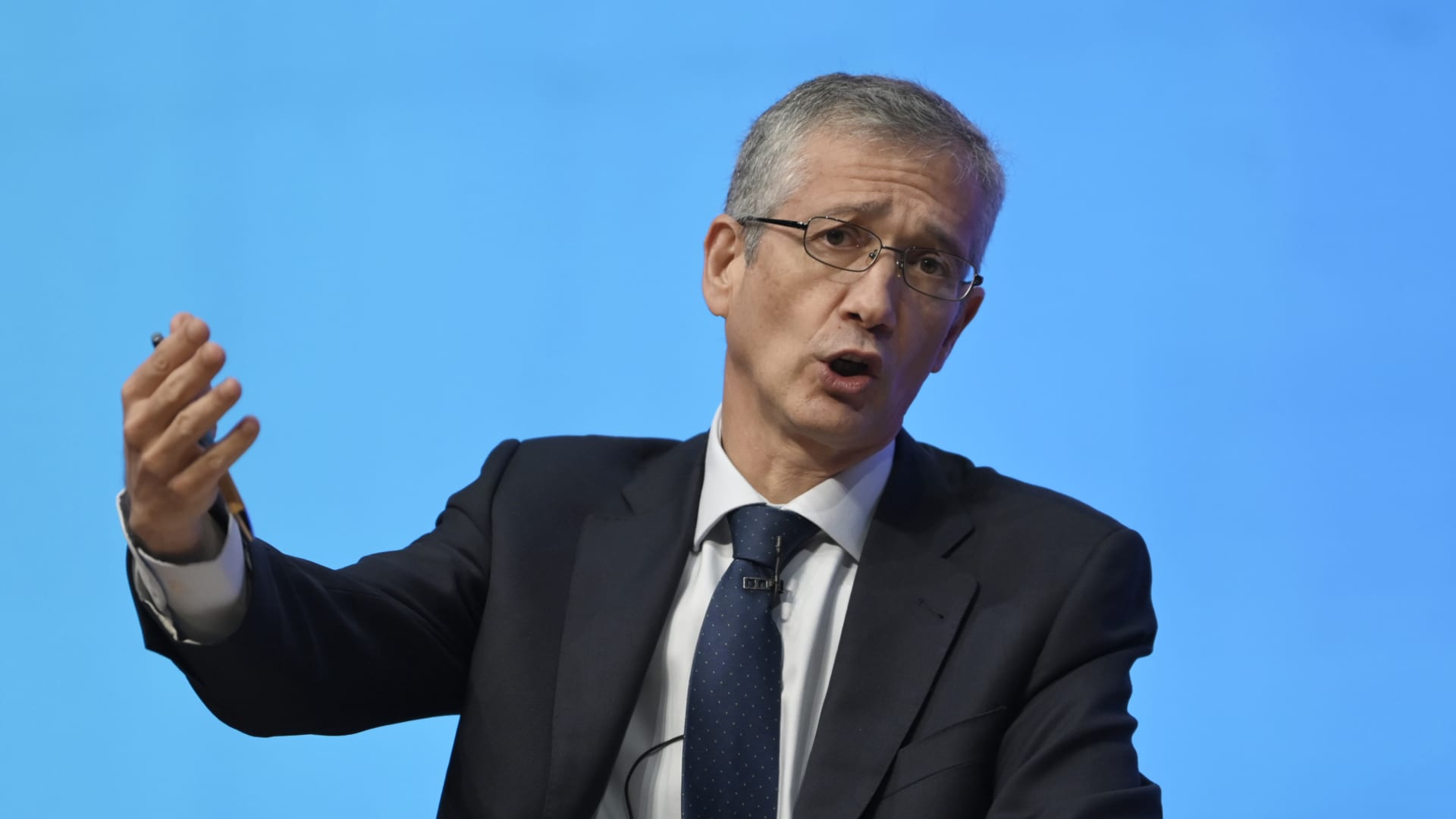
Pablo Hernández de Cos is set to become the next European Central Bank president after euro-area leaders backed the Spanish central banker to replace Christine Lagarde. For investors, the key point is that the choice signals continuity more than an immediate change in euro-area interest-rate policy: the appointment still needs formal approval, and rate decisions are made collectively.
De Cos is expected to take office on Feb. 7, 2027, when Lagarde leaves the post early, Reuters and The Banker reported. He would be the first Spaniard to lead the ECB, according to CNN and The Guardian.
The political agreement reached on Nov. 26 is not yet the final appointment. De Cos must first go through consultations with the European Parliament and the ECB’s Governing Council, before European Council leaders are expected to give final approval in December, according to CNBC, The Banker and Reuters.
What happens before Pablo Hernández de Cos becomes ECB president?
European leaders have agreed on De Cos as their preferred candidate, but the formal process remains incomplete. The ECB says its six-member Executive Board, which includes the president, is appointed by the European Council acting by qualified majority and serves eight-year terms.
De Cos’s selection was part of a broader reshuffle of the ECB’s top team. Leaders also nominated France’s Laurence Boone and Germany’s Markus Brunnermeier for two Executive Board vacancies, Reuters reported. Those nominations face the same wider confirmation process.
What experience does De Cos bring?
De Cos, 55, was governor of the Bank of Spain from 2018 to 2024. He has been general manager of the Bank for International Settlements since July 2025 and chaired the Basel Committee on Banking Supervision from 2019 to 2024, CNBC reported.
Reporting has described him as a pragmatic, moderate policymaker. Reuters characterized his selection as pointing toward policy continuity, while CNBC reported that analysts see him as willing to adjust to economic conditions rather than fitting neatly into the usual “hawk” or “dove” camps. Those labels generally refer to a preference for tighter policy to fight inflation or easier policy to support growth.
How much can an ECB president influence rates?
The president has an influential role, but does not set euro-area interest rates alone. The ECB says the Governing Council is its main decision-making body. It includes the six Executive Board members and the governors of euro-area national central banks, and it formulates monetary policy, including decisions on key interest rates.
Reuters reported that the 27-member council’s collective structure limits any president’s ability to steer rates single-handedly. The Executive Board manages the ECB’s day-to-day work and implements policy under the council’s guidelines, the ECB says.
De Cos is preparing to take over as euro-area inflation was reported at 4%, above the ECB’s target, alongside concern that political and debt pressures in France could spread stress through financial markets. Those conditions will confront the full Governing Council, not De Cos alone.
This story draws on original reporting from CNBC.