Trump calls for investigation after third-quarter GDP revision
Trump sought a probe after GDP was revised to a 4.3% annual rate, but the scheduled update was not a record-setting revision.
By Theo Nakamura · Staff Writer
· 2 min read
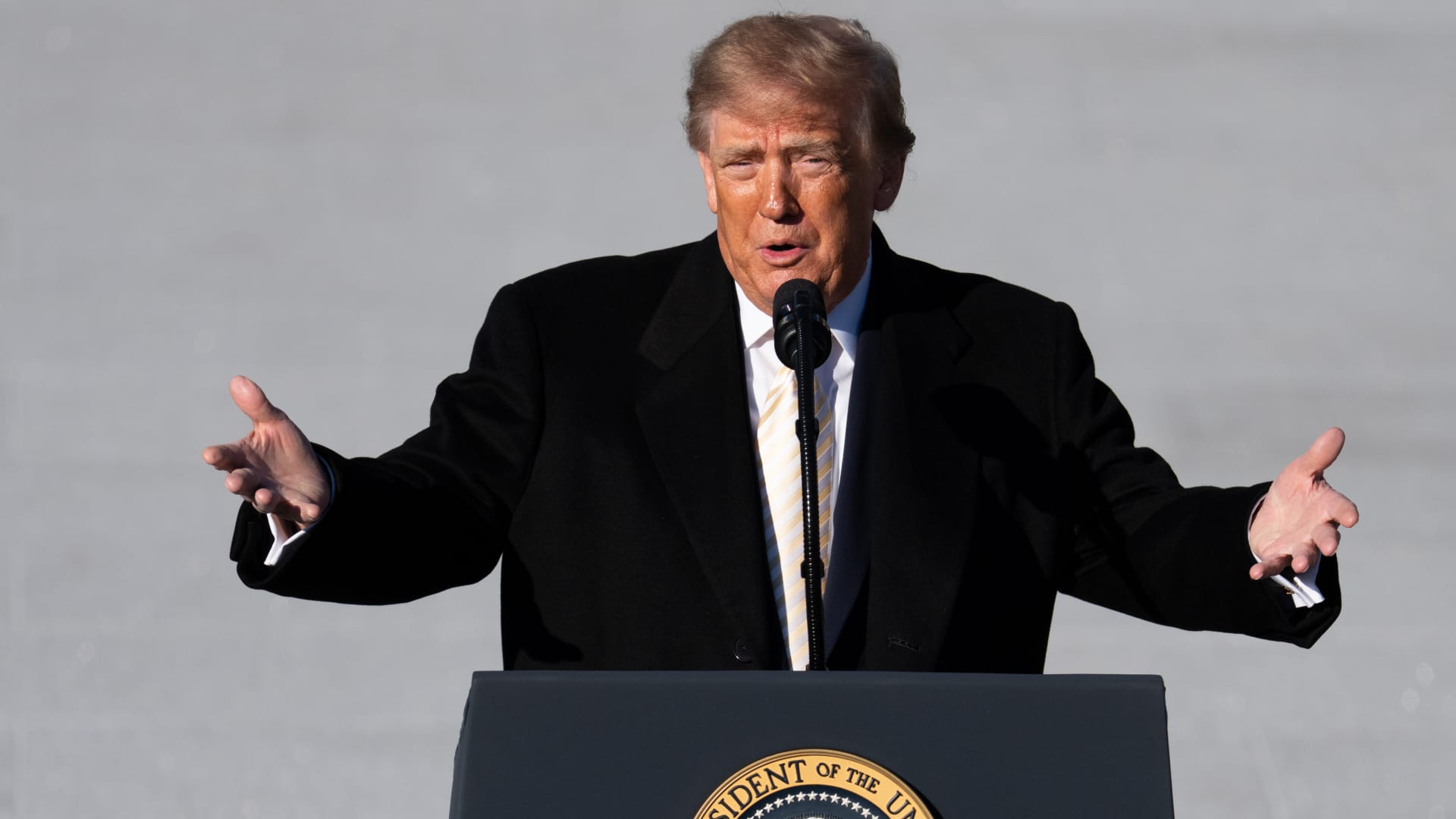
President Donald Trump called for an investigation after the government raised its estimate of third-quarter U.S. economic growth. For investors following the Trump GDP revision investigation, the key point is that the update was part of the Bureau of Economic Analysis’ scheduled release process, while no evidence in the available reporting substantiates Trump’s allegation of a deliberate error.
The Bureau of Economic Analysis said on Nov. 25 that real gross domestic product rose at a 4.3% annual rate from July through September. That was 0.9 percentage point above its 3.4% advance estimate, published Oct. 29. GDP is a broad measure of U.S. economic activity, based on the value of final goods and services produced in the country, according to the BEA.
Trump said in social-media posts that the earlier figure was intentionally understated before the midterm elections and asked for an immediate investigation. He described the revision as a “record setting error.” Axios and CNBC reported that he did not provide evidence for the allegation.
Was the third-quarter GDP revision a record-setting error?
The 0.9-percentage-point revision was larger than usual, according to Axios and CNBC, but neither outlet found it was unprecedented. CNBC reported that the larger advance-to-second-estimate revision was a 1.2-percentage-point increase in the second quarter of 2020. CNBC also reported that the latest change tied four other quarters and ranked tied for 16th among comparable revisions since 1990.
The two releases were issued on dates set out in advance. The Oct. 29 BEA release listed Nov. 25 for the second estimate. The BEA has scheduled its next third-quarter estimate for Dec. 23.
Why does the BEA revise GDP estimates?
The BEA produces three estimates for each quarter. Its advance estimate is an early reading based on the information available at the time. The second and third estimates add source data that were unavailable in the prior month, a process the agency says improves accuracy.
For the second estimate, the BEA said investment, consumer spending and government spending contributed to third-quarter growth, while falling exports partly offset those gains. Imports increased. Axios reported that updated data on software prices and retail sales pointed to stronger business investment and consumer spending than initially estimated.
For readers watching markets and Federal Reserve policy, the revision changes the official picture of third-quarter growth from 3.4% to 4.3% at an annual rate. It does not, on its own, establish that the earlier estimate was manipulated or erroneous. Commerce and the BEA did not immediately respond to Axios’ requests for comment.
This story draws on original reporting from CNBC.