Trump says US will send aid to Venezuela after deadly earthquakes
Back-to-back powerful quakes killed at least 164 people, prompting a state of emergency and a U.S. pledge to mobilize rescue and medical support.
By Maya Okafor · Markets Writer
· 3 min read
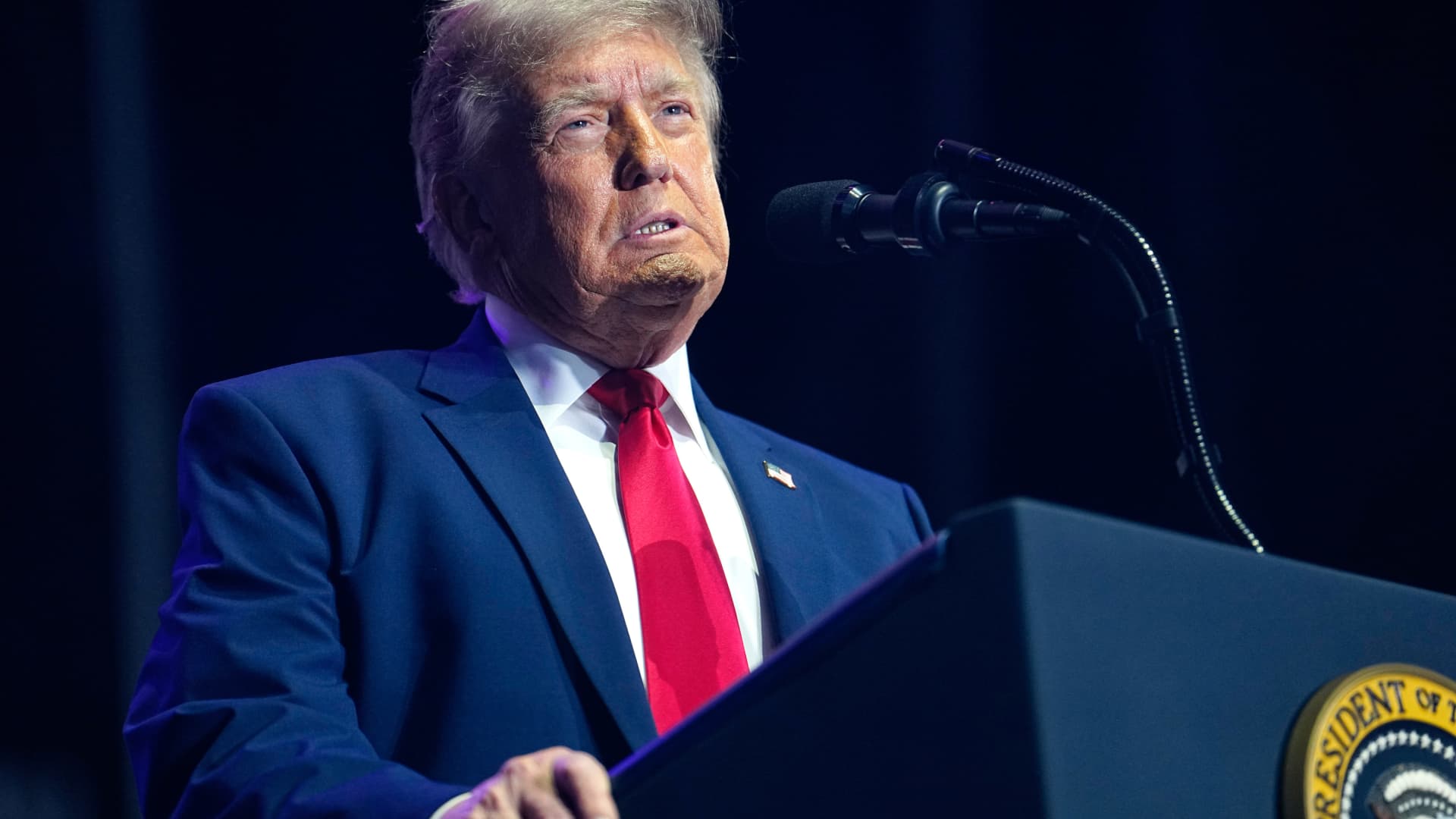
President Donald Trump said the U.S. is preparing a fast aid response after two major earthquakes hit Venezuela, a disaster with human consequences first and market implications because of the country’s role in global oil flows. Venezuelan acting President Delcy Rodríguez said at least 164 people were killed and 971 were injured, according to Reuters.
The quakes, measured at magnitudes 7.2 and 7.5, struck near Venezuela’s northern coast and damaged buildings in Caracas, the capital. Rodríguez declared a state of emergency in a national address Wednesday night, Reuters reported.
Trump said Wednesday evening on Truth Social that the U.S. “stands ready, willing, and able to help.” He said he had directed government agencies to prepare to move quickly and described Venezuelans as the country’s “new and great friends.”
Deputy Secretary of State Christopher Landau said earlier Wednesday that Washington was in contact with Venezuelan authorities and was mobilizing help. Jeremy Lewin, a senior State Department official, said the department had activated a disaster assistance team and task force to coordinate support, including search-and-rescue teams, medical supplies and other humanitarian resources.
Why the damage estimates are so severe
The U.S. Geological Survey issued two red alerts through its PAGER system, a tool that estimates likely deaths and economic losses after earthquakes. The agency estimated a 41% probability that deaths could top 10,000 and a 17% probability that they could reach 100,000.
USGS also estimated the quake could reduce Venezuela’s gross domestic product by as much as 7%. Gross domestic product, or GDP, is the broad measure of goods and services produced by an economy. A hit of that size would point to damaged infrastructure, halted business activity and major rebuilding costs.
Venezuela sits in an active earthquake zone where the Caribbean Plate meets the South American Plate. The tremors rank among the strongest to hit the country in the past century, according to NBC News.
In a video posted Thursday morning on X, Rodríguez thanked the Trump administration for its “support and solidarity.” She also said the Dominican Republic had sent rescue teams, China and Brazil had provided humanitarian aid, and Qatar had prepared a rescue brigade expected to arrive Thursday.
Oil and diplomacy add another layer
The U.S. offer comes after a shift in relations between Washington and Venezuela’s interim government under Rodríguez. Secretary of State Marco Rubio said Thursday that the War Department would help with logistics because the earthquakes damaged the airport in Caracas.
Rubio also called the disaster a setback for stabilization efforts after a January military intervention that seized then-President Nicolás Maduro. Since then, Washington has exerted control over Venezuela’s oil exports.
For investors, the oil connection is the main economic channel to watch. Venezuela is a major producer, and disruption to exports can affect supply expectations, even if the immediate priority is rescue and relief.
The U.S. has been Venezuela’s largest oil buyer since January, according to the Council on Foreign Relations. CFR estimated that the value of U.S.-controlled exports rose to $3.7 billion in April from $600 million in January, with about $8 billion in flows moving through the arrangement with limited transparency or oversight. CFR said India and Spain were the next largest recipients.
This story draws on original reporting from CNBC.