US factory layoffs near crisis-era levels even as PMI tops forecasts
S&P Global said June manufacturing improved on inventory rebuilding, but factory job cuts were the worst since 2009 outside the pandemic.
By Priya Nair · Economy Reporter
· 3 min read
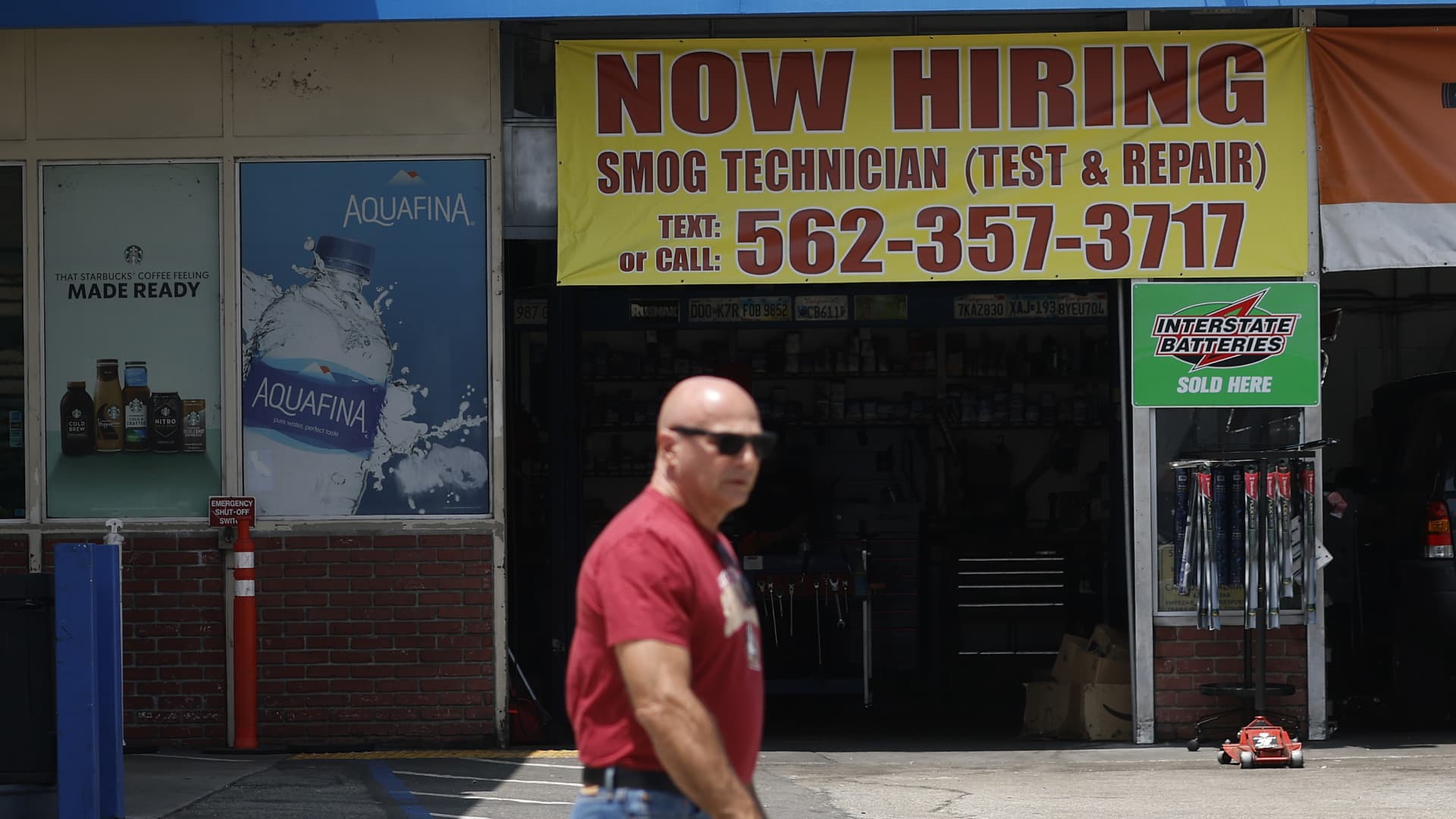
U.S. factories cut jobs in June at a pace close to levels last seen around the financial crisis and the Covid shock, according to S&P Global. For everyday investors, the report sends a mixed signal: manufacturing activity is still expanding, but companies are acting cautious on staffing as costs and demand concerns build.
S&P Global said Tuesday that its preliminary, or “flash,” manufacturing purchasing managers’ index rose to 55.7 in June. A purchasing managers’ index, or PMI, is a survey-based gauge of business activity, with readings above 50 signaling expansion. The June reading was slightly higher than May and above the Dow Jones consensus estimate of 54.8.
The stronger headline number came with a catch. S&P Global said factory growth was helped by companies rebuilding inventories, meaning businesses increased stockpiles of goods and inputs. That can boost production in the short run, especially when companies worry about supply delays, but it does not necessarily prove end demand is accelerating.
Chris Williamson, chief business economist at S&P Global Market Intelligence, said in the firm’s release that manufacturing showed “better news,” while warning that the sector was being supported by inventory building tied to supply worries. He said supply delays became more common in June.
Factories are still cutting workers
The sharper warning came from employment. According to S&P Global, manufacturers have reported job cuts in three of the past four months as they try to reduce head count because of cost pressure and questions about demand.
Williamson said the decline in employment was the most concerning part of the report, especially in manufacturing. Excluding the pandemic’s early hit in 2020, he said factory job cuts are running at the highest level since 2009, reflecting worries about whether the recent demand pickup can last and about rising raw-material costs.
That tension matters for market watchers because manufacturing is a cyclical part of the economy. When factories get busier, it can support earnings for industrial companies, transportation firms and suppliers. When factories cut staff while building inventories, it can point to companies preparing for uncertainty rather than committing to long-term expansion.
The broader labor market has looked steadier than the factory data. CNBC reported that job gains have been strong in four of the first five months of the year. The Bureau of Labor Statistics says manufacturing employment has increased by 23,000 in 2026.
Services improved, but growth looks slow
S&P Global’s flash services PMI also improved in June, rising to 51.3. That was slightly above the prior month and ahead of the Dow Jones forecast of 51. Services cover a broad part of the economy, including areas such as health care, hospitality and business services.
Companies have faced pressure this year from a rebound in inflation, CNBC reported, including higher energy prices. Federal Reserve officials have been weighing whether to raise interest rates or hold off on cuts while uncertainty tied to the Middle East remains. Higher rates can cool demand by making borrowing more expensive for households and businesses.
Recent headlines about a ceasefire and a possible longer-term agreement with Iran have pushed oil prices lower, CNBC reported. Williamson said the move in oil helped restore some confidence among businesses.
Still, S&P Global’s survey pointed to soft economic momentum. The U.S. economy grew at a 1.6% annualized rate in the first quarter and at a 0.5% rate in the fourth quarter of 2025, CNBC reported. Williamson said the survey signals output consistent with the economy struggling to grow much faster than a 1% annualized rate in the second quarter.
Federal Reserve Chairman Kevin Warsh described economic growth as “solid” last week, according to CNBC, and linked part of the “elevated uncertainty” to conflicts in the Middle East.
This story draws on original reporting from CNBC.