Fund firms see higher inflows after adding website data tools
Research by Marco Zanotti links asset managers’ website tracking and personalization tools to stronger fund inflows, especially from retail investors.
By Priya Nair · Economy Reporter
· 3 min read
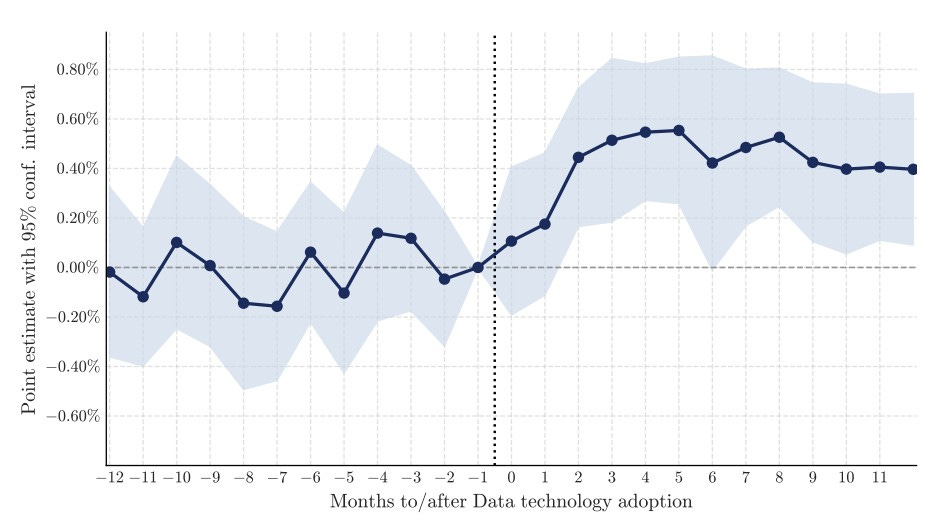
Asset managers that added data-tracking tools to their websites saw stronger fund inflows in the following year, according to research by Marco Zanotti. For individual investors, the finding is a reminder that a fund website is often a tailored sales channel, not just a digital brochure.
Zanotti analyzed the websites of U.S. funds and asset management firms, focusing on the technology they use to collect information from visitors. The tools range from basic tracking, such as capturing an IP address to infer a visitor’s location, to A/B testing, which compares different versions of a webpage to see which performs better.
Some firms also use more advanced systems that adjust what a visitor sees based on data collected during the visit, according to Zanotti. That can mean highlighting different fund details or arranging information in ways intended to make a product more appealing to a specific type of visitor.
How website data can turn into fund flows
In asset management, net inflows mean more money entered a fund than left it over a given period. Assets under management, or AUM, means the total amount of client money a firm or fund manages.
Zanotti found that in the 12 months after a fund manager introduced website data-mining technologies, net inflows rose by an average of 1.5% of AUM. The research attributed most of those additional flows to retail investors, meaning individual investors rather than institutions.
The mechanism is straightforward. A visitor lands on a fund company’s website. The site collects signals about that visitor, then uses those signals to test or tailor the information shown. If that presentation makes the fund look more relevant to the visitor, it may increase the chance that the person contacts the manager or invests.
The idea is familiar from online advertising, where companies such as Meta and Alphabet have long used customer data to sell targeted ads and other products to business customers. Zanotti’s research applies a similar lens to the fund industry: investor attention can be measured, segmented and acted on.
The edge fades as more firms adopt the tools
Zanotti’s analysis also points to limits. Adding more analytics tools appears to produce diminishing returns, meaning each additional tool contributes less incremental benefit than earlier ones.
Competition also reduces the advantage. According to Zanotti, the increase in net inflows is smaller when a larger share of a fund’s competitors already uses similar website analytics tools. In other words, early adopters captured more of the benefit, while later adoption looks more like a way to avoid falling behind peers.
The research frames website analytics as a feature that has shifted from a potential edge to a standard part of digital distribution for fund managers. It also raises a bigger question for the industry as artificial intelligence gives firms more ways to study visitor behavior and personalize digital content.
For investors, the practical takeaway is awareness. Fund websites can be optimized to steer attention toward selected information, and the tools behind that process may become more sophisticated as asset managers experiment with AI-driven customer analysis.
This story draws on original reporting from Klement on Investing.