Why momentum investing works: Animal Spirits examines the strategy
Animal Spirits hosts discuss momentum with Nasdaq Dorsey Wright’s John Lewis, alongside clear disclosures on the limits of price-based signals.
By Sofia Marchetti · Columnist
· 3 min read
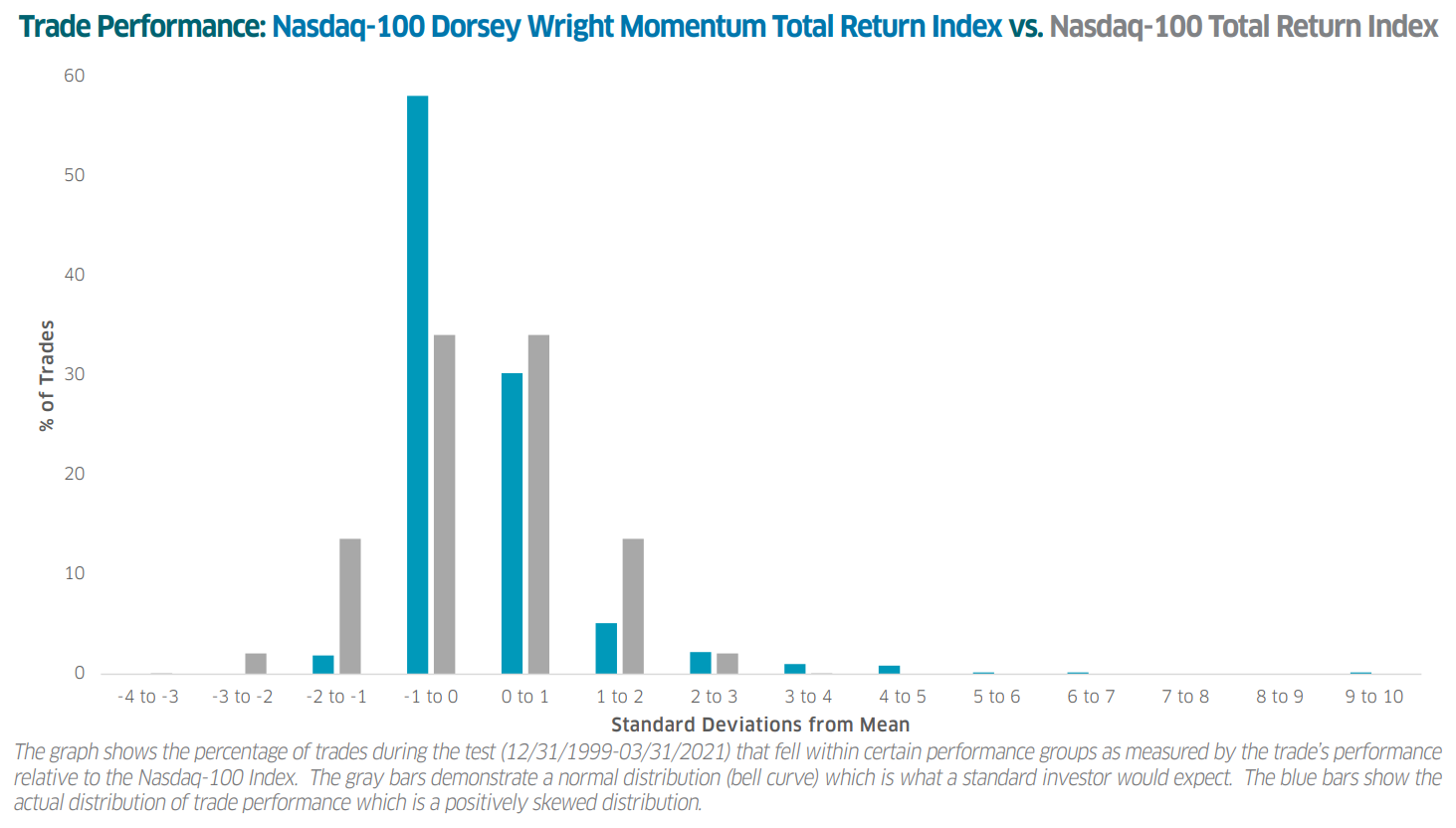
Why momentum investing works is the subject of a recent Animal Spirits “Talk Your Book” episode, where hosts Michael Batnick and Ben Carlson are joined by John Lewis of Nasdaq Dorsey Wright. For self-directed investors, the useful distinction is that the program is a discussion of a market approach, not proof that following a price trend will produce gains.
The episode is sponsored by Nasdaq Dorsey Wright, according to its show notes. The publisher says The Compound Media, an affiliate of Ritholtz Wealth Management, received compensation from the sponsor.
Animal Spirits says the conversation covers how the momentum factor works, why its backers think it works, implementation and possible diversification benefits. The show notes also list momentum as a behavioral factor, the relationship between momentum and value, the challenge of selling discipline, and performance during a strong first half followed by volatility as discussion topics.
What is momentum investing?
Momentum is a factor, or an investment characteristic used to construct a portfolio. In plain terms, a momentum approach focuses on securities showing strong recent price trends. A Chase and J.P. Morgan Wealth Management educational guide lists strong recent price trends as one common trait used in factor investing, alongside characteristics such as value and financial quality.
That description does not settle whether a trend will continue. The Chase guide says returns are not guaranteed and that an individual factor can lag for extended periods. Animal Spirits’ episode listing likewise says investing carries a risk of loss and is not personalized investment advice.
What Dorsey Wright says its relative-strength method does
The sponsor’s disclosures describe relative strength as a measure of price momentum based on historical price activity. Dorsey Wright says its methodology is rules-based and objective, relying on calculations from price data alone. Its stated aim is to reduce exposure to weaker positions while giving greater weight to stronger ones.
Those disclosures are important context rather than a performance claim. Dorsey Wright says relative strength is not predictive, does not guarantee a successful forecast or outperformance versus an index, asset or strategy, and can lose value. It also says past results, whether hypothetical or actual, do not guarantee future results.
The episode’s inclusion of selling discipline is notable because momentum involves more than identifying a stock or asset that has risen. But the available program notes do not lay out specific sell rules or establish why selling is harder than buying. Readers should treat that as a topic the show addresses, rather than a conclusion supported by the listing.
Momentum and value are separate factors
The show notes flag the interaction between momentum and value. Value generally refers to securities that appear inexpensive relative to measures of their underlying business, while momentum focuses on recent price direction. They are distinct characteristics, and the materials for this episode do not make a claim about a particular combination, allocation or expected outcome.
For investors, the central takeaway is caution around a familiar headline: price-based signals can be systematically applied, but the sponsor itself says they cannot predict outcomes or assure gains.
This story draws on original reporting from A Wealth of Common Sense.