Apple trade-secrets suit puts new pressure on OpenAI’s IPO timing
Apple’s lawsuit against OpenAI adds legal risk as the AI company reportedly considers going public later this year.
By Jordan Bell · Startups & Deals Reporter
· 3 min read
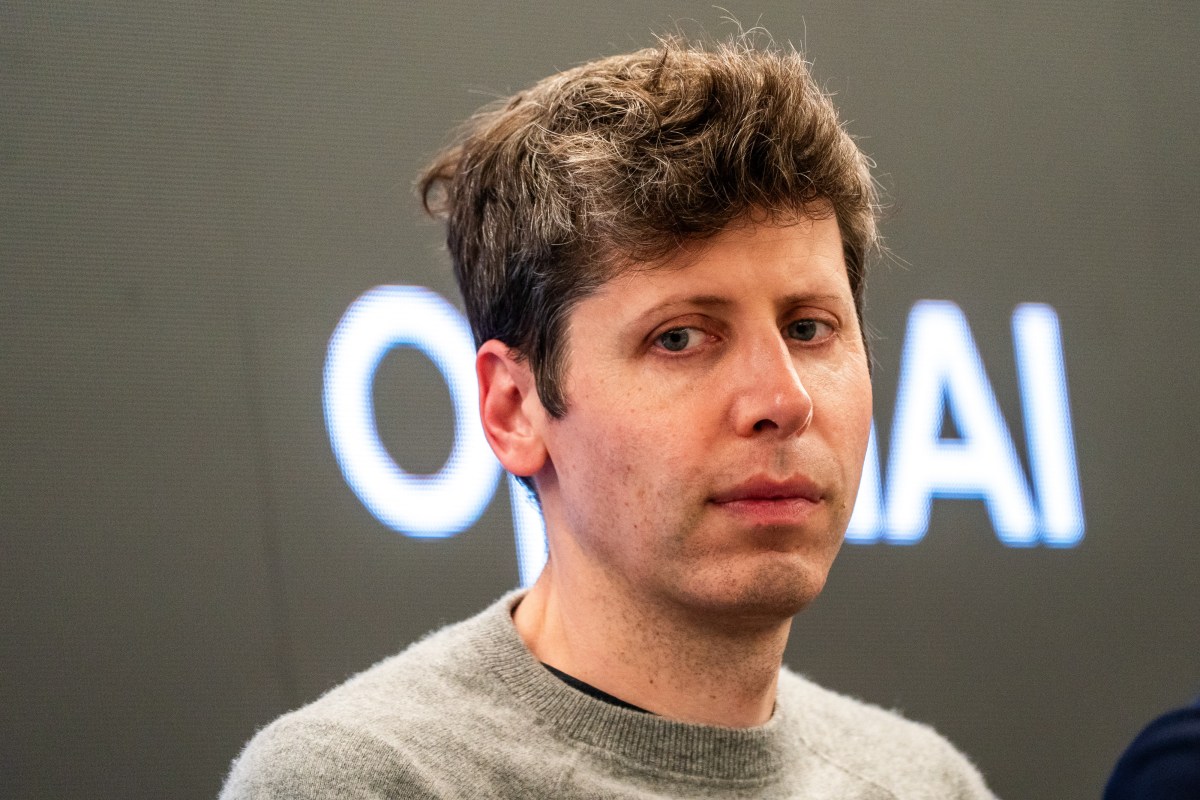
Apple has sued OpenAI over alleged trade-secret violations, adding a fresh complication for investors watching the AI company’s possible path to the public markets. TechCrunch reported that OpenAI is eyeing an initial public offering, or IPO, as early as later this year, which makes the timing of the legal fight especially sensitive.
An IPO is when a private company sells shares to public investors for the first time. Before that can happen, investors, bankers and regulators typically examine the company’s financials, growth story and major risks. A significant lawsuit can become part of that risk picture, especially if it touches the company’s strategy, leadership or future products.
TechCrunch reported that Apple filed the trade-secrets complaint last Friday. Trade secrets are confidential business information that a company argues gives it an advantage, such as technical plans, product road maps or internal know-how. Apple’s complaint alleges a broader pattern of misconduct and says the conduct reaches up to OpenAI’s chief hardware officer, according to TechCrunch.
The complaint also says more than 400 former Apple employees now work at OpenAI, TechCrunch reported. That figure matters because Apple appears to be tying its claims to talent movement between the companies, a common flashpoint in Silicon Valley when engineers and product leaders leave one major technology company for another.
Why hardware is central to the dispute
The lawsuit lands as OpenAI’s hardware ambitions are drawing more attention. TechCrunch’s Equity podcast hosts Kirsten Korosec, Anthony Ha and Sean O’Kane discussed what the case could mean for OpenAI’s push into devices and for any IPO timeline.
For a software company best known for ChatGPT, hardware would represent a larger expansion of the business. A legal claim from Apple, one of the world’s most experienced consumer hardware companies, could raise questions about what OpenAI is building, who is building it and whether the company may face limits or delays tied to the lawsuit.
OpenAI has pushed back on Apple’s claims, according to TechCrunch. TechCrunch described the response so far as cautious, suggesting the company has not offered a sweeping public rebuttal to every allegation.
For retail investors, the key issue is not just the courtroom fight. It is how a private AI company with a high public profile handles legal exposure before asking public shareholders to value it. Litigation does not automatically stop an IPO, but it can affect the story investors are asked to buy into, especially if the case involves future products or senior executives.
The Equity discussion also connected the lawsuit to a wider question in AI: how much users and companies should trust AI firms with sensitive data. That concern sits behind much of the current debate around AI products, as companies compete to build tools that depend on large amounts of user, business and technical information.
This story draws on original reporting from TechCrunch.