ADNOC backs $6.2 billion offshore gas project in Abu Dhabi
The Umm Shaif development is expected to add more than 600 million cubic feet of daily gas output by 2030, according to ADNOC.
By Maya Okafor · Markets Writer
· 3 min read
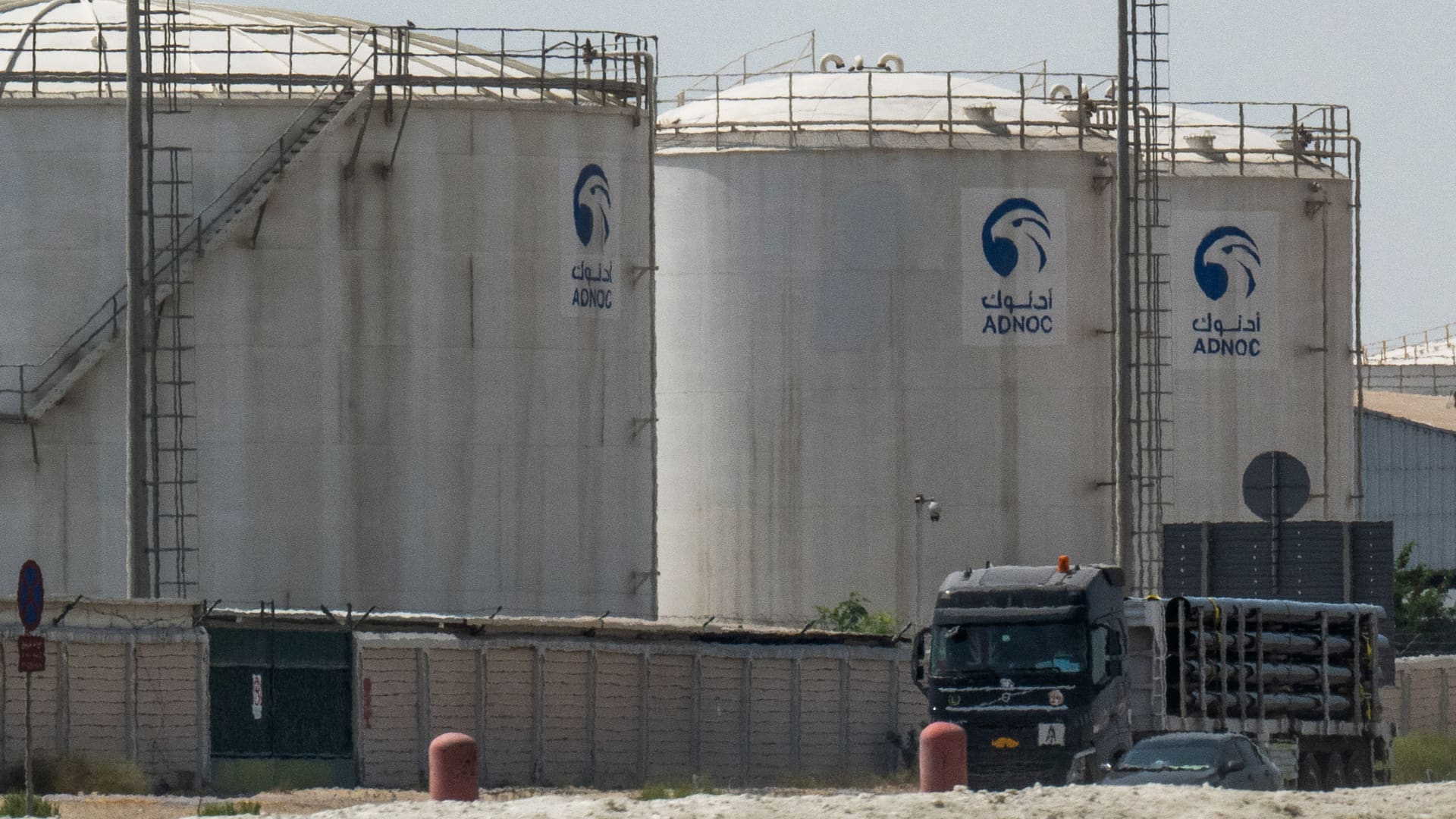
Abu Dhabi National Oil Company has approved a $6.2 billion investment to develop the Umm Shaif Gas Cap, an offshore gas project tied to one of the emirate’s oldest energy fields. For investors watching global energy markets, the move adds planned gas supply at a time when shipping risks and demand for liquefied natural gas are keeping fuel security in focus.
ADNOC said the project is expected to produce more than 600 million standard cubic feet per day of natural gas and associated gas liquids by 2030. Associated gas liquids are hydrocarbons produced along with natural gas, and they can be used in fuels and petrochemical products.
The company said that volume would equal nearly 10% of the United Arab Emirates’ current daily gas consumption. The project fits into ADNOC’s wider plan to raise gas production at home and expand exports of liquefied natural gas, or LNG, which is gas chilled into liquid form so it can be shipped by tanker.
Why Umm Shaif matters
Umm Shaif is Abu Dhabi’s longest-running offshore field, according to ADNOC. The field hosted Abu Dhabi’s first offshore well and supplied crude for the emirate’s first oil exports in 1962.
ADNOC is developing the field with TotalEnergies, Eni and China National Petroleum Corporation. The partnership brings together European and Chinese energy companies with Abu Dhabi’s state oil company at a time when gas buyers are seeking reliable supply contracts.
“ADNOC is accelerating its integrated gas strategy to further harness the UAE’s vast gas resources and expand our global LNG platform, as global demand for natural gas continues to rise,” ADNOC CEO Sultan Ahmed Al Jaber said in a statement.
The UAE holds the world’s seventh-largest proven gas reserves, according to CNBC. The country also produces more than 4 million barrels of oil per day, and Abu Dhabi is aiming to exceed 5 million barrels per day by next year, CNBC reported.
A push for more LNG capacity
ADNOC is targeting 47 million metric tons of annual LNG capacity by 2035 as it builds production, trading and export capabilities. LNG capacity measures how much gas a country or company can process into liquid form for shipment each year.
The gas strategy has gained urgency as disruption around the Strait of Hormuz weighs on energy markets. CNBC reported that the waterway normally handles about 20% of global LNG trade and remains effectively closed, creating pressure on major producers such as Qatar.
That matters for the UAE’s own fuel mix. CNBC reported that roughly one-third of the country’s domestic gas demand is supplied through a pipeline agreement with Doha, and that deal is set to expire in 2032.
The UAE’s oil policy has also shifted. After leaving OPEC earlier this year, the country is no longer bound by the group’s production limits, CNBC reported. OPEC, the Organization of the Petroleum Exporting Countries, coordinates output targets among member states to influence oil supply.
For retail investors, the takeaway is that Abu Dhabi is using long-term capital spending to strengthen its role in gas, not only oil. The project will not add supply immediately, but ADNOC’s 2030 target gives the market a timeline for when the new volumes could start affecting regional supply and LNG export plans.
This story draws on original reporting from CNBC.


