AI capex bond market anxiety rises after Alphabet spending hike
Yields rose after Alphabet raised its AI spending outlook, while spreads on Google, Amazon and Meta show lenders asking for more.
By Maya Okafor · Markets Writer
· 4 min read
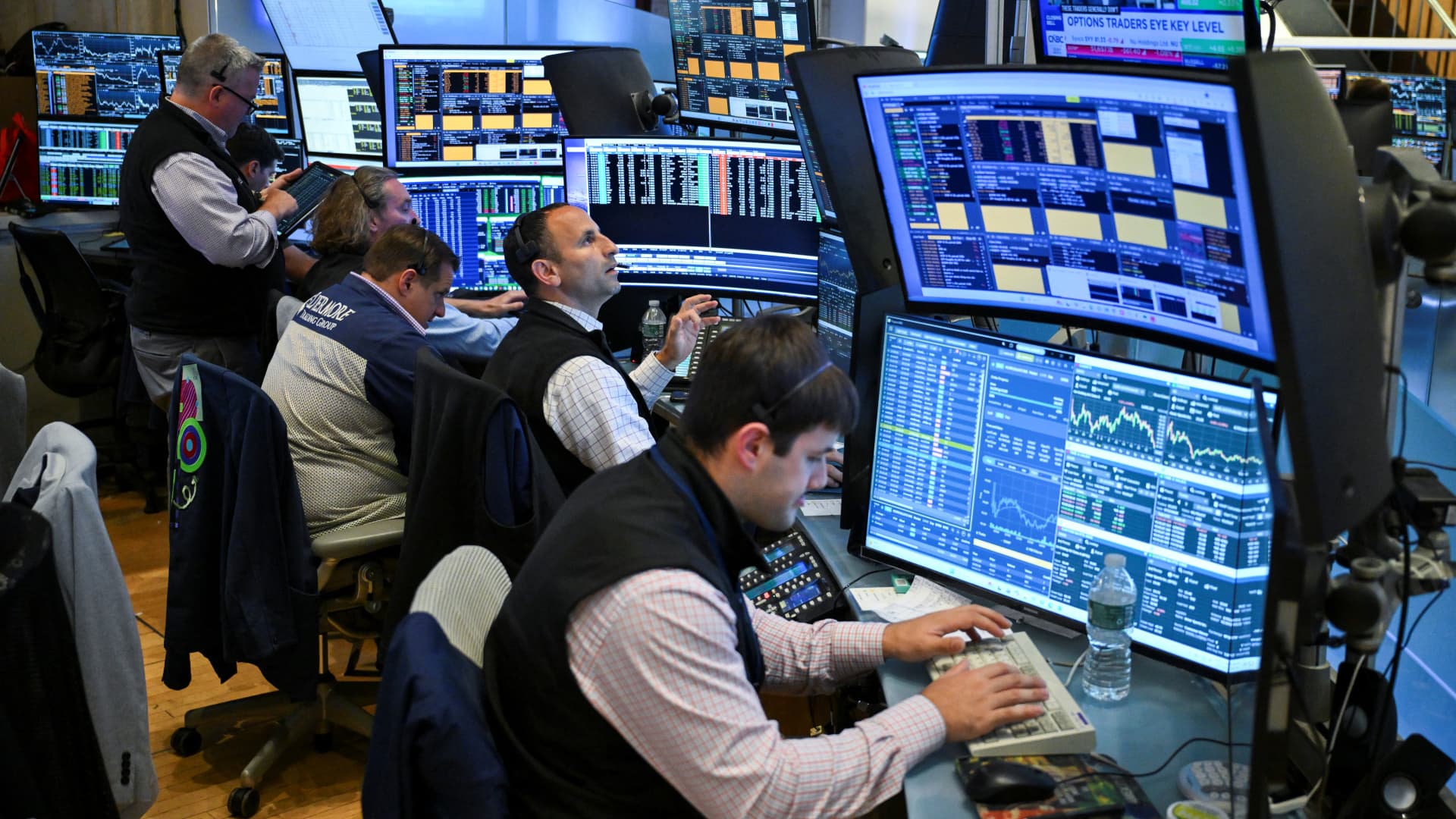
AI capex bond market anxiety is building as investors reassess how much debt the largest tech companies may need to fund artificial intelligence infrastructure. For everyday investors, the concern is straightforward: if borrowing gets more expensive, the payoff from the AI buildout has to be strong enough to justify the bill.
CNBC reported that yields moved higher this week after Alphabet raised its capital expenditure forecast tied to AI. Capital expenditure, or capex, means money a company spends on long-term assets such as data centers, servers and power infrastructure. The move raised concern that other hyperscalers, the biggest cloud and computing infrastructure companies, could also lift spending plans.
Bond investors are already asking for more compensation to lend to several of the biggest AI spenders. CNBC reported that Google, Amazon and Meta have seen credit spreads widen. A credit spread is the extra yield investors demand to hold a company’s debt instead of safer government bonds, so a wider spread signals lenders see more risk or want a better return.
Why are bond investors worried about AI capex?
The AI race requires data centers, chips, cloud capacity and large amounts of electricity. CNBC reported that power is a major cost for hyperscalers as they build large data centers across the U.S., and GE Vernova CEO Scott Strazik told CNBC that he expects the current inflationary environment to continue, partly because of elevated geopolitical tensions. CNBC also reported that oil moved above $100 a barrel this week.
Mizuho told clients Friday that higher capex plans are testing investor tolerance, according to CNBC. The firm said companies that were once viewed as unusually strong balance-sheet credits are now facing a sharp increase in AI-related costs. Mizuho analysts also said hyperscalers are on pace to spend more on capex than they generate in free cash flow next year, CNBC reported. Free cash flow is the cash left after operating expenses and capital spending, and investors watch it because it helps show how much financial flexibility a company has.
A portfolio manager of a credit fund told CNBC, on condition of anonymity to discuss private conversations, that the shift is prompting intense debate among bond and equity investors with exposure to the largest technology companies.
Oracle has become a pressure gauge for AI debt fears
Oracle is drawing particular attention in credit markets. CNBC reported that Oracle’s five-year credit default swap is again trading at a multi-year high. A credit default swap, or CDS, is a contract investors use to insure against a borrower failing to repay debt, and a higher CDS price can point to rising concern about credit risk.
Barclays credit analyst Andrew Keches wrote in a Wednesday client note that Oracle’s CDS has become a proxy for broader worries about AI debt, CNBC reported. Keches said investor interest in the instrument goes beyond Oracle’s own fundamentals because it is also being used as a liquid hedge tied to AI capex, OpenAI execution and data-center spending themes.
Oracle faces investor questions about how much it will rely on debt markets as data-center construction and leasing become more capital intensive, according to CNBC. Earlier this month, S&P Global cut Oracle’s credit rating to BBB-, one level above junk status.
Oracle executives remain confident in the company’s position in AI, CNBC reported. The company has expanded ties with OpenAI and works with hyperscalers including Meta and Nvidia on cloud architecture.
Meta’s Texas data center deal is another test
The pressure in tech credit could affect financing for future data-center projects. CNBC reported, citing a person familiar with the talks, that Meta is seeking financing for its $12 billion Texas data center, with pricing expected to be set early next week.
The Financial Times reported that the deal is expected to carry a higher borrowing rate than earlier projects. CNBC said that reflects investors demanding more return and questioning whether AI infrastructure spending will generate enough payoff.
This story draws on original reporting from CNBC.


