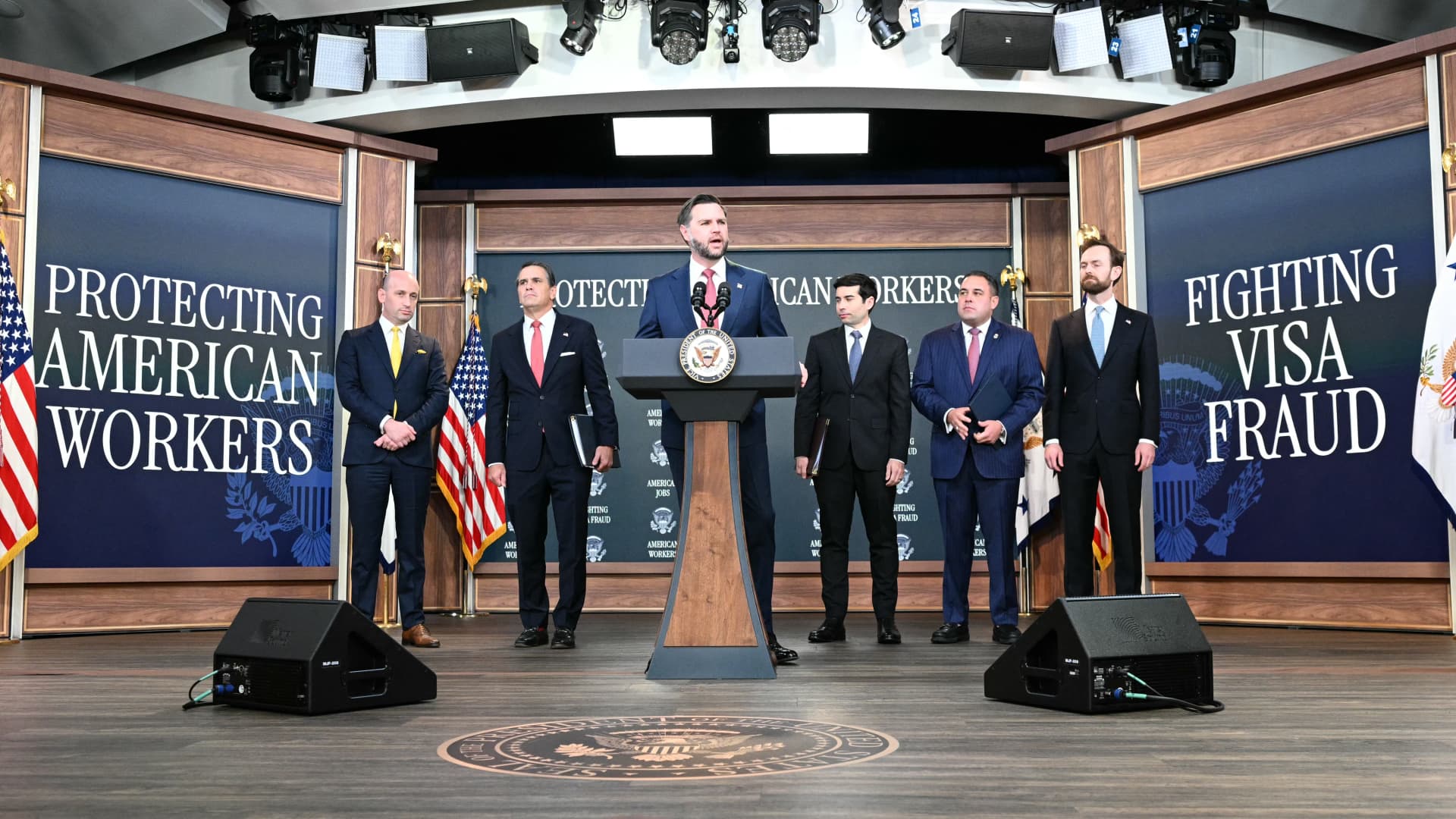
Amazon AI spending gets a payback explanation from Andy Jassy
Amazon CEO Andy Jassy told investors why AI capex could pay off, pointing to long contracts, server economics and AWS demand.
By Dev Ramirez · Crypto Correspondent
· 3 min read
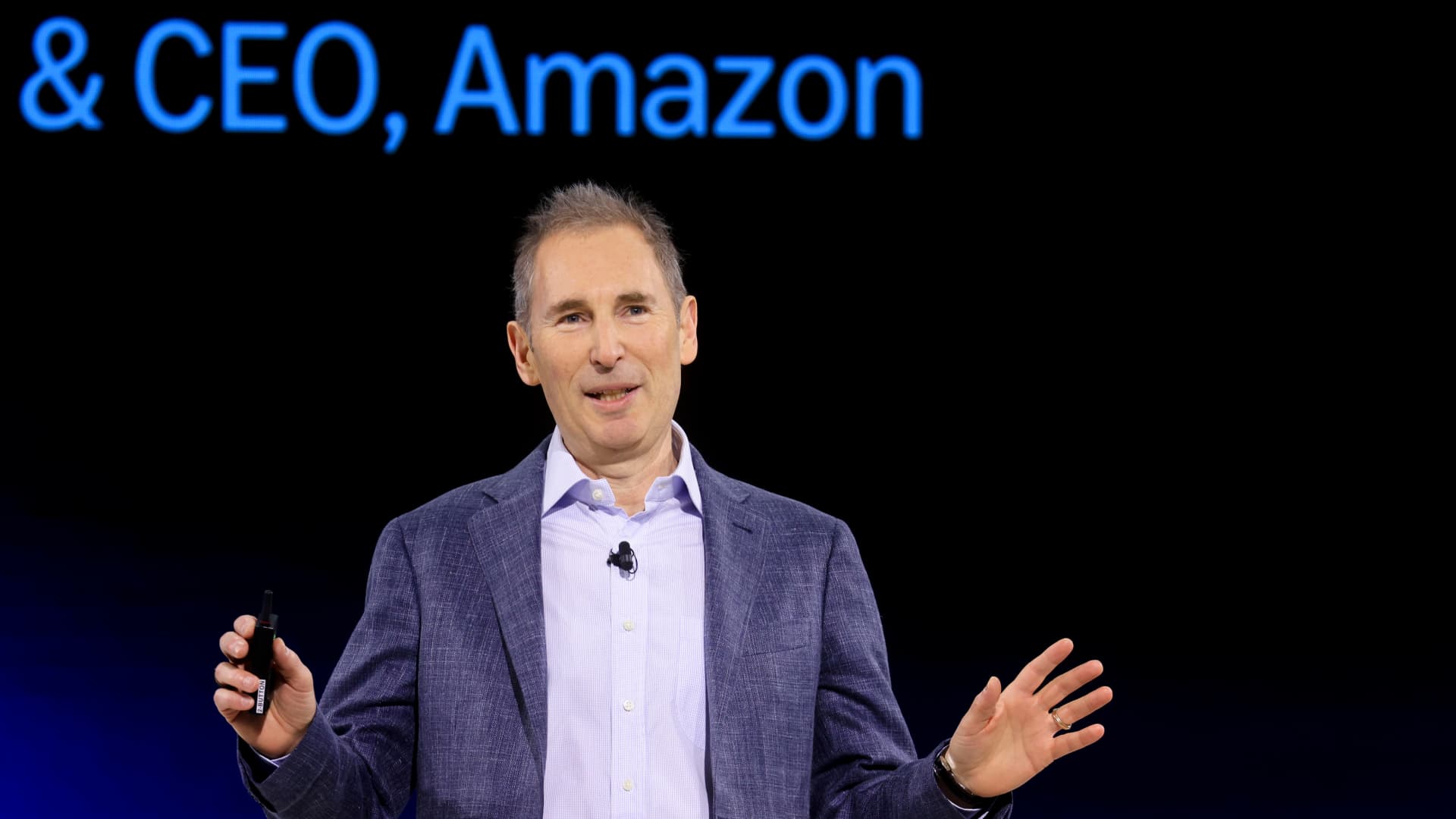
Amazon AI spending was back in focus after CEO Andy Jassy used the company’s earnings call to explain how the tech giant expects to earn returns on a planned surge in infrastructure investment. For retail investors, the key issue is cash: Amazon is putting a lot of money into AI capacity now, and Jassy argued that the payoff window is more visible than skeptics may think.
CNBC’s Investing Club said Jassy’s comments helped ease investor concerns after Amazon raised its capital spending outlook and pointed to continued demand for AI infrastructure. Capital spending, or capex, means money a company uses to buy or build long-term assets such as data centers, servers and networking gear.
Jassy said Amazon earlier this year outlined plans for about $200 billion in cash capex in 2026, with most of that spending aimed at AI and Amazon Web Services, according to CNBC. He told investors Amazon has “clear line-of-sight to strong financial returns” at that level of spending and beyond.
How will Amazon make money from AI spending?
Jassy separated Amazon’s AI investment into two buckets: data centers and the computing equipment that goes inside them. Data centers require spending well before they can generate revenue, because Amazon may start putting money into them about two years before servers are installed and customers can use the capacity.
Once a data center is operating, Jassy said Amazon can start producing meaningful revenue quickly and use the facility for more than 30 years. That matters because the physical building can support multiple waves of server upgrades without Amazon having to repeat the same initial data-center build cost each time.
The second bucket, servers and networking equipment, runs on a shorter timetable. Jassy said Amazon usually buys that equipment only a few months before it goes into service, giving the company a better read on customer demand before it spends. He said that if demand is not there, Amazon will not deploy the capital.
On average, Jassy said servers and networking gear break even in a little under three years. Break even means the investment has generated enough profit or cash return to cover its cost. He also said the equipment currently lasts at least five to six years, while much of Amazon’s AI capacity is being contracted for at least five-year terms.
That combination was the core of Jassy’s case. If Amazon can recover the cost of servers in under three years and keep earning from them for several years after that, the company has a path to free cash flow after the early spending period. Free cash flow is the cash left after a company pays for operations and capital investments.
Jassy also said AWS has a history of shortening server payback periods and finding ways to extend equipment life without hurting the customer experience, according to CNBC. He said the near-term pressure on free cash flow comes from building many data centers at the same time before they begin producing revenue.
CNBC’s Investing Club framed the comments as important because investors have been asking hyperscale cloud companies to justify the economics behind AI buildouts. Hyperscalers are the largest cloud operators, companies that build and run vast networks of data centers for customers that need computing power at scale.
The broader AI infrastructure trade also got a lift Friday, according to CNBC, with chipmakers and related stocks gaining for a second straight day as Amazon’s spending outlook reinforced demand expectations. The S&P 500 was higher Friday and on track to finish a volatile week in positive territory, CNBC reported.
This story draws on original reporting from CNBC.