NY Fed estimates tariffs added 2.9 points to consumer-goods inflation
New York Fed researchers estimate tariffs drove a 2.9-point rise in inflation across 67 goods categories, while prices otherwise would have fallen.
By Sofia Marchetti · Columnist
· 3 min read
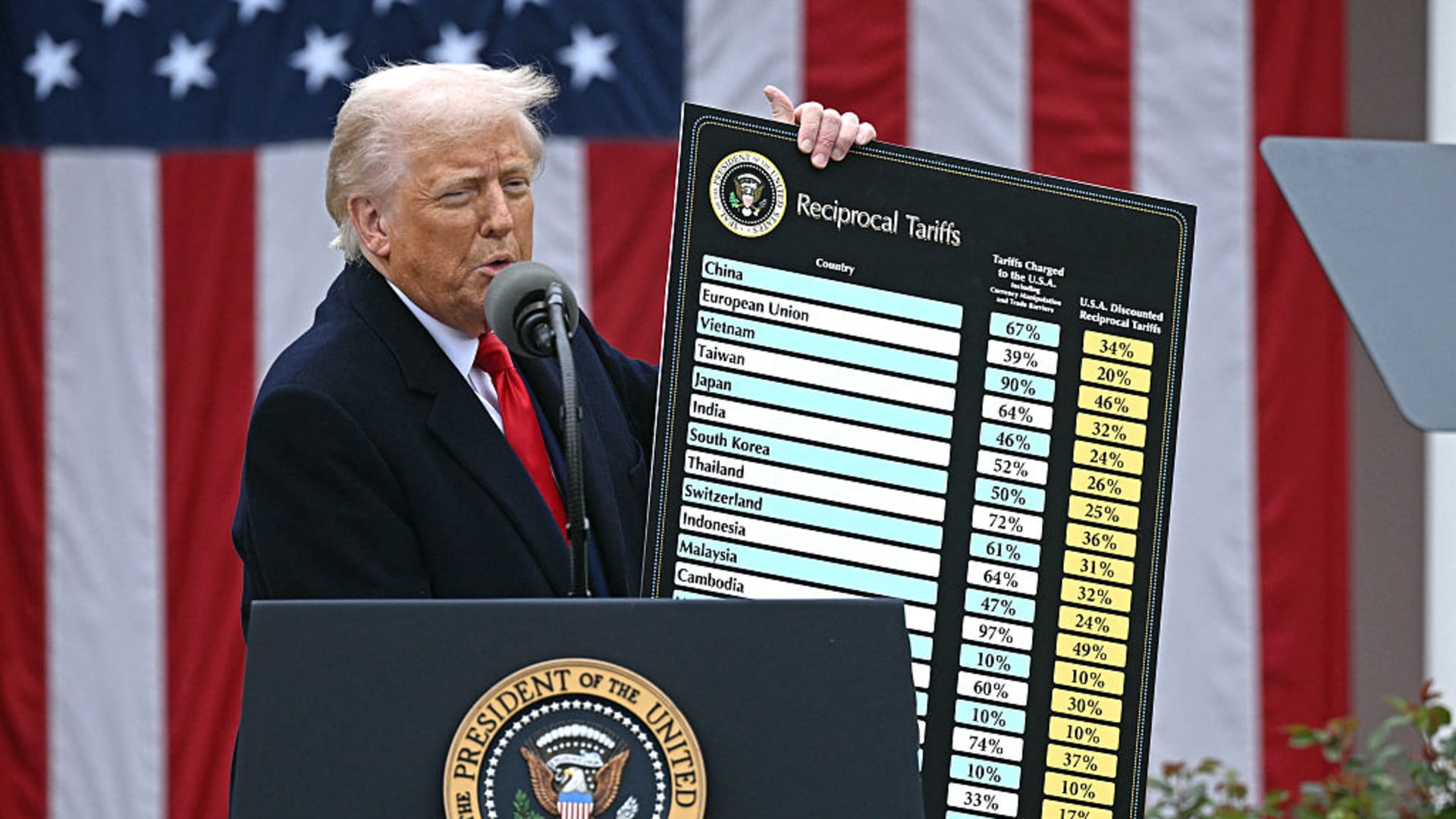
NY Fed tariffs inflation estimates suggest tariffs added 2.9 percentage points to price growth in a weighted group of 67 non-oil consumer-goods categories by February 2026. For investors and shoppers, the key limit is scope: the New York Fed model covers that basket of goods, not every item in a store or inflation across the whole economy.
According to research by New York Fed economists Mary Amiti, Sebastian Heise and David Weinstein, prices in the sampled categories would have declined by almost 1% without tariffs imposed since January 2025. That is a modeled comparison with an alternative no-tariff scenario, rather than an observed outcome.
The result helps explain why tariffs can account for more than the net price increase measured in the researchers' basket. The model estimates that tariffs lifted prices while other forces, taken together, would have pushed them lower.
How did tariffs affect consumer prices?
A tariff is a tax charged on imported goods. A U.S. importer pays it unless a foreign exporter cuts its price enough to absorb some of the cost, according to the Fed paper as reported by ABC News 4. Costs can then reach shoppers through the retail price, which also includes transportation, wholesaling and retailing expenses.
The effect does not appear all at once. Axios reported that nearly 90% of a tariff increase is passed through to import prices almost immediately. Retail pricing takes longer: about half of the direct effect shows up within three months, and nearly all of it within six months.
The study also points to a slower route into prices for U.S.-made goods. Domestic companies may face higher costs for imported parts and materials, while less import competition can give firms more room to raise prices. Axios reported that the effect on U.S.-made goods more than doubled between six and 12 months.
CNBC reported that direct tariff costs made up about two-thirds of the estimated overall price effect. The remaining third came from those knock-on effects. The researchers' rule of thumb was that a one-percentage-point increase in the average tariff was associated with consumer-goods prices about 0.25% higher after one year.
What the estimate does and does not show
The researchers did not identify the 67 goods categories in the reporting reviewed by CNBC. The finding therefore does not establish that a particular product's price increase came only from tariffs. It is an aggregate estimate for a consumer-spending-weighted sample, excluding oil.
Axios reported that the modeled tariff contribution to consumer-goods prices peaked near 3% in February 2026 and had eased to about 2% by August. CNBC reported that the Supreme Court struck down many tariffs in February, after which imports from many countries often faced tariffs of about 10%.
The White House has maintained that foreign exporters would ultimately bear tariff costs, spokeswoman Taylor Rogers told CNBC. The New York Fed researchers' estimate instead attributes a measurable share of consumer-goods inflation in their sample to tariffs and their wider effects through supply chains and competition.
This story draws on original reporting from CNBC.