Apollo agrees to buy easyJet for $7.7 billion after Castlelake withdraws
Apollo’s £7.15-a-share offer for easyJet is the recommended path forward after Castlelake exited, though the deal has not closed.
By Dev Ramirez · Crypto Correspondent
· 2 min read
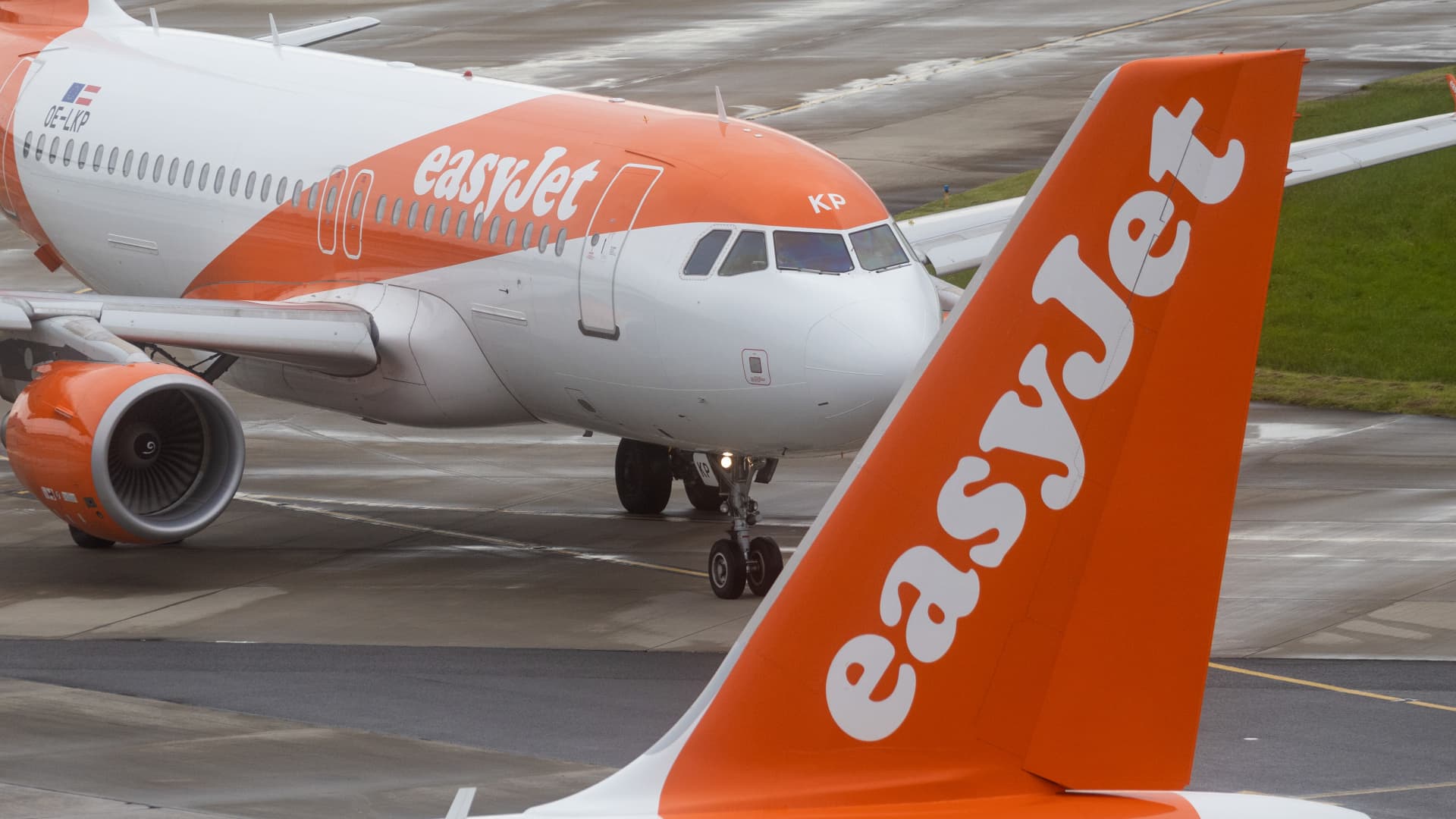
Apollo’s easyJet acquisition is set to take the UK budget airline private in a transaction valued at about £5.7 billion, or $7.7 billion, after rival bidder Castlelake withdrew from the process. For easyJet shareholders, the important distinction is that the board has recommended Apollo’s cash offer, but the acquisition has not yet closed.
Castlelake said on Thursday that it did not intend to make an offer for easyJet, CNBC reported. That left Apollo Global Management’s £7.15-per-share proposal as the agreed path forward. The companies expect the transaction to be completed by the end of the first quarter of next year, according to CNBC.
The £7.15 offer, equivalent to $9.63 per share in CNBC’s reporting, values easyJet at roughly £5.7 billion. It represents a 54% premium to easyJet’s closing price on Feb. 27, the last business day before the current Middle East conflict began, CNBC reported.
What did Apollo offer for easyJet?
Apollo offered £7.15 in cash for each easyJet share. That was 25 pence more than Castlelake’s £6.90-per-share proposal, a 3.6% increase, according to Reuters.
The takeover contest had moved quickly. EasyJet had agreed in principle to Castlelake’s £6.90-a-share bid only days before it backed Apollo’s higher proposal in July, Reuters reported. Castlelake’s offer valued the airline at about $7.3 billion, CNBC said, and followed an earlier proposal valued at $6.64 billion that easyJet rejected in June.
EasyJet shares initially fell by more than 6% after Castlelake’s withdrawal was announced, then recovered. They were about 3.1% higher in London afternoon trading on Thursday, CNBC reported.
Why did easyJet attract takeover bids?
EasyJet holds valuable takeoff and landing slots at major European airports, including London Gatwick, Paris and Geneva, CNBC reported. Those slots can be difficult for airlines to obtain and give a carrier access to constrained airports, making them an important part of an airline’s network.
The deal still faces issues that come with cross-border airline ownership. Reuters reported in July that EU rules require airlines operating in the bloc to be majority owned by EU interests, presenting a potential hurdle for a non-EU buyer. Apollo said at the time that it would seek the merger-control and EU subsidy-related clearances needed for the transaction.
EasyJet’s board unanimously recommended the cash offer after advice from Evercore, according to a Reuters-syndicated report. Apollo has said it intends to pursue easyJet’s commercial plans, including growth in its holidays business, under private ownership. Those plans remain Apollo’s stated intentions while the deal awaits completion.
This story draws on original reporting from CNBC.


