Axiom Biosciences plans Hong Kong IPO before U.S. listing
The San Diego biotech says Hong Kong offers a stronger bridge to Asian partners, though U.S. markets still dominate biotech fundraising.
By Dev Ramirez · Crypto Correspondent
· 3 min read
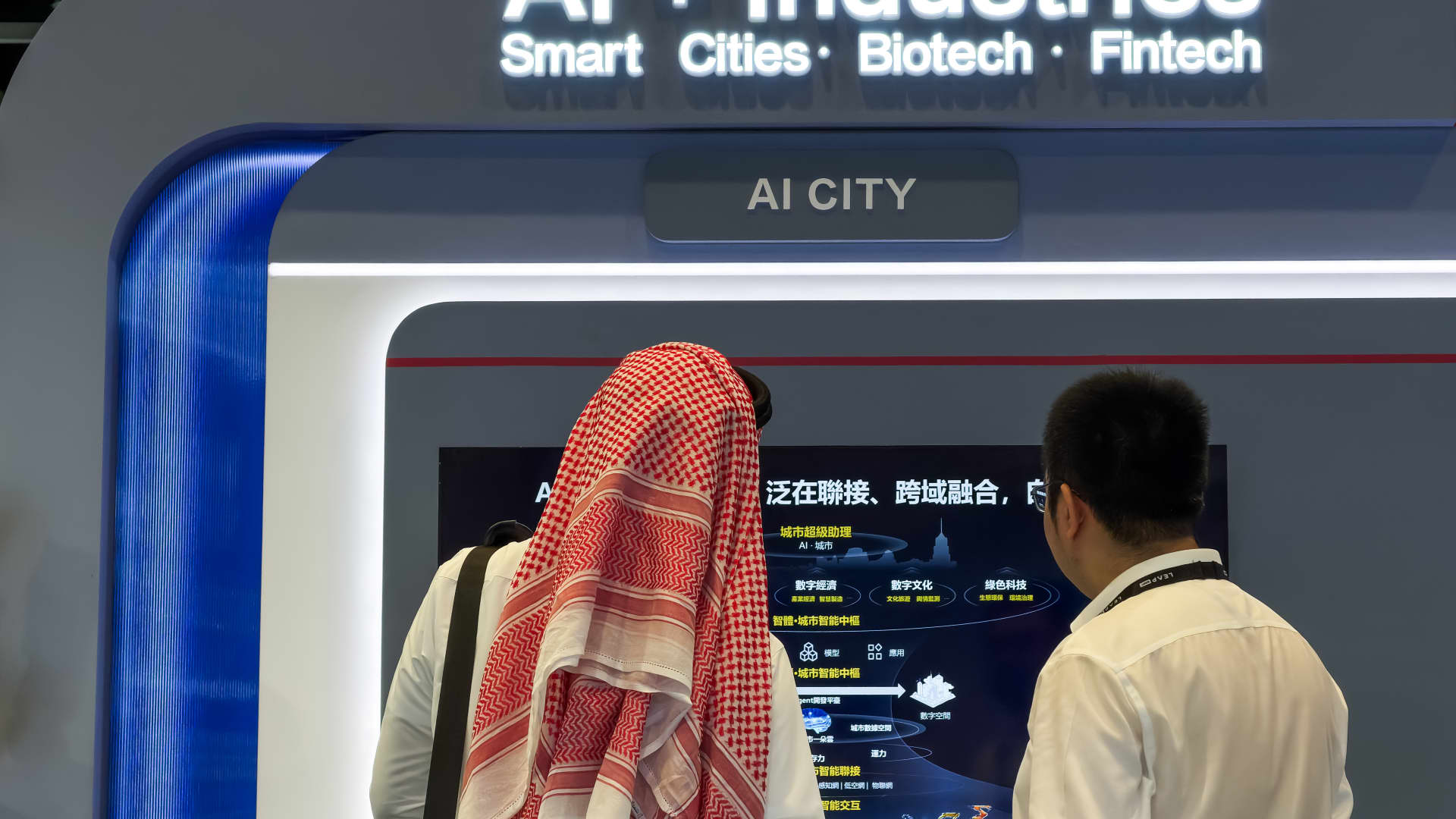
Axiom Biosciences plans to list in Hong Kong before coming to the U.S., a rare route for an American biotech company. For retail investors, the move is a signal that biotech fundraising is becoming less centered on Wall Street, especially for companies that want access to Asian drug-development partners.
The San Diego-based developer of regenerative and genetic medicines plans a primary listing in Hong Kong in 2027, followed by a secondary U.S. listing in 2029, according to CNBC. A primary listing is the main stock market where a company’s shares trade after an initial public offering, or IPO, which is when a private company sells shares to public investors for the first time.
Founder and CEO Remo Moomiaie-Qajar told CNBC the decision is a contrarian one. He said the company sees Hong Kong as a way to reach investors familiar with biotech while getting closer to clinical and commercial partners in Asia.
Why Hong Kong is getting more attention
Biotech companies often need repeated funding rounds because clinical trials get more expensive as therapies move from early safety tests toward larger studies. Moomiaie-Qajar told CNBC that public markets can offer another path for raising money at a time when venture investors are more selective, especially for companies that did not bring in large backers early.
Hong Kong has become a larger venue for biotech fundraising as Chinese drug developers have listed there. Danny Xiang, founding partner at life science-focused private equity firm Fontus Capital, told CNBC that Hong Kong now has more than 70 biotech listings and that reforms introduced last year have made the IPO process more streamlined.
Market performance has helped the pitch. The Hang Seng Biotech Index has risen more than 75% since January 2025, compared with roughly 40% to 50% gains for the ICE Biotechnology Index and Nasdaq Biotechnology Index over the same period, according to LSEG data cited by CNBC.
George Wu, a Hong Kong-based partner at DLA Piper, told CNBC that lower biotech valuations in Hong Kong compared with Nasdaq have also pulled in international investors looking for potential upside.
The U.S. is still the main pool of capital
Hong Kong’s rise does not mean the U.S. has lost its lead. Xiang told CNBC that the U.S. remains the deepest biotech capital market, which is why the strongest global candidates still often raise money and list there.
The U.S. biotech IPO market has also improved. CNBC reported that Parabilis Medicines, a clinical-stage cancer drug developer, and Kailera Therapeutics, an obesity-drug maker, each raised more than $600 million earlier this year and climbed about 60% in their debuts. The SPDR S&P Biotech ETF, ticker XBI, was up 76% over the prior year as of Tuesday, according to CNBC.
There are trade-offs for companies choosing between markets. CNBC reported that Nasdaq and the New York Stock Exchange allow qualifying biotech companies to seek listings before they have revenue or have started human testing. Hong Kong requires at least 12 months of research and development and a core product that has moved beyond the concept stage, according to PwC material cited by CNBC.
Axiom’s Asia link
Axiom is working with South Korea-based Medinno on a therapy for newborns with severe brain injuries associated with high death rates, according to CNBC. The treatment has received two U.S. Food and Drug Administration designations for rare pediatric diseases, and a Phase 1 trial involving nine newborns in South Korea has been completed.
The company also plans to study the therapy for adults who have had strokes. Moomiaie-Qajar told CNBC that Asia is the right place to move quickly through trials because there are no regenerative therapies for those brain injuries.
Local investor appetite may still depend on how clear Axiom’s regional strategy becomes. Xiang told CNBC that Hong Kong investors often prefer biotech companies with an obvious China connection, such as plans to co-develop, manufacture or sell products with Chinese partners.
This story draws on original reporting from CNBC.


