Bank of England interest rate stays at 3.75% as inflation risks linger
The Bank of England kept rates unchanged, but three policymakers pushed for a hike amid energy-price and supply worries.
By Dev Ramirez · Crypto Correspondent
· 3 min read
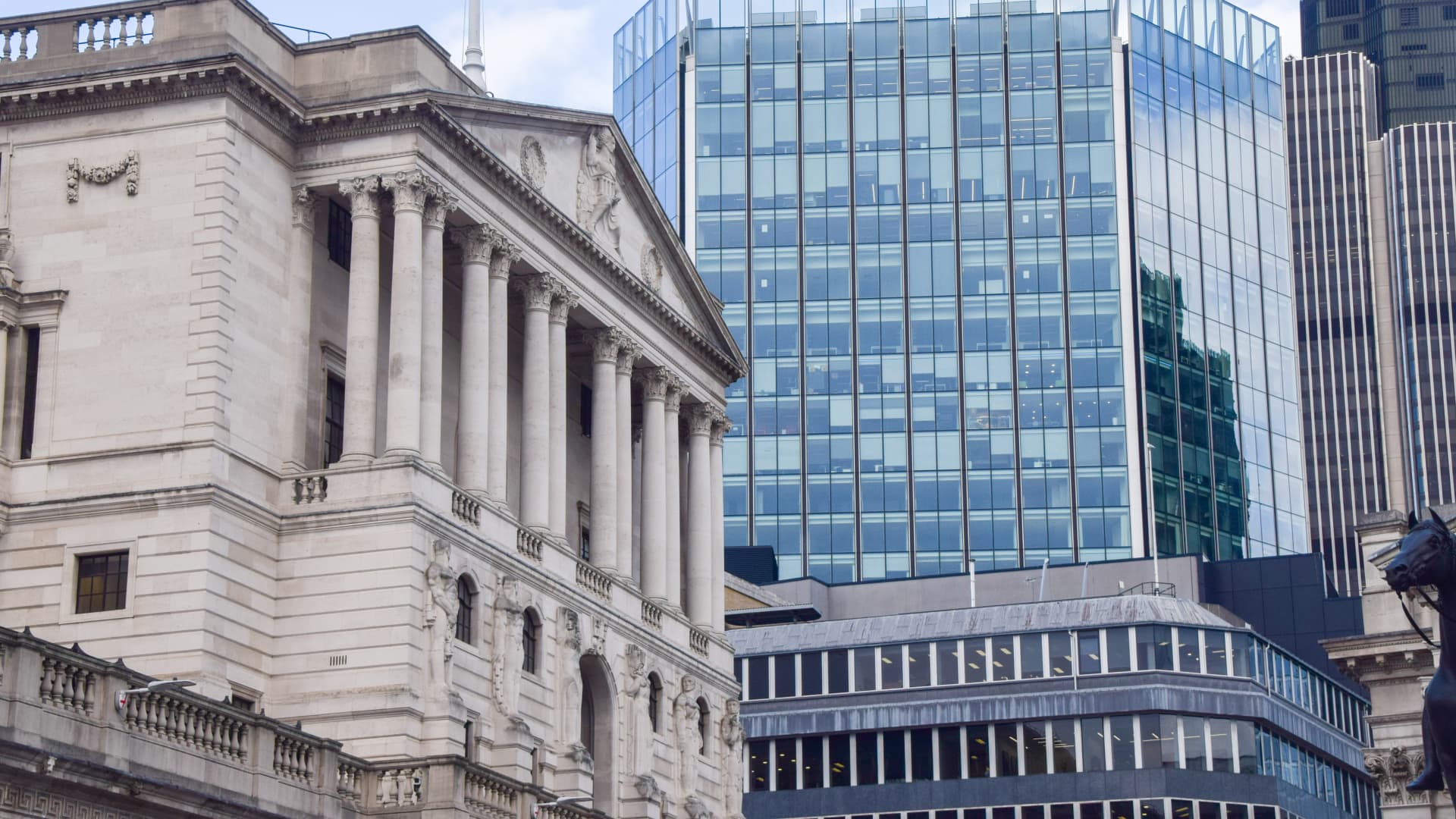
The Bank of England interest rate will stay at 3.75%, keeping UK borrowing conditions steady for now while policymakers continue to worry that inflation could run hotter than expected. For retail investors, the split vote matters because it shows the central bank is not treating the recent inflation slowdown as a clean all-clear.
The Bank of England’s Monetary Policy Committee voted 6-3 to leave its benchmark rate unchanged. That benchmark is officially called Bank Rate, the central bank said.
Three committee members, Megan Greene, Huw Pill and Catherine Mann, voted instead to raise rates by 25 basis points. A basis point is one-hundredth of a percentage point, so a 25-basis-point move would have lifted Bank Rate by 0.25 percentage point.
The decision to hold had been widely expected after UK headline inflation fell to 2.6% in June, its lowest level in 15 months. The committee’s debate, however, centered on whether fresh supply pressures could keep inflation above the Bank of England’s goal.
Why did the Bank of England hold rates at 3.75%?
The central bank held rates after inflation cooled in June, but the vote showed policymakers were divided over how much risk still sits in the outlook. The Bank of England said all members agreed that risks around energy prices were tilted upward.
That matters because energy costs can feed through to household bills, business expenses and broader prices. If companies face higher costs and pass them on, inflation can prove harder for a central bank to bring down.
Greene said inflation has been above target for roughly five years. She pointed to added supply risks, including a second energy chokepoint in the Red Sea and constraints tied to AI-related hardware, as pressures now affecting markets.
Greene argued that raising Bank Rate ahead of time could lower the chance of what she called “second-round effects.” In plain English, second-round effects happen when an initial price shock spreads into wider wages and prices, making inflation more persistent.
Pill also backed an immediate increase. He warned that uncertainty over energy prices was likely to last and that its duration was unknown, making it risky to try to fine-tune the economy with monetary policy.
He said a rate rise would send a clear signal that the Bank of England was prepared to address upside inflation risks linked to events in the Gulf. Pill said that would put the central bank in the best position to manage risks to its inflation target as they appear.
What does the split vote show?
The 6-3 split shows most policymakers were comfortable waiting, while a sizable minority wanted to act before inflation risks become harder to contain. The dissenters did not call for a large move, but they did favor a quarter-point increase despite the recent cooling in headline inflation.
For markets, the key takeaway is that the Bank of England is still focused on inflation risk even after a weaker June reading. The hold keeps Bank Rate at 3.75%, but the dissents from Greene, Pill and Mann show that rate hikes remain part of the discussion if policymakers judge price pressures to be building again.
This story draws on original reporting from CNBC.


